
Owning rental property in Pennsylvania means protecting your investment against risks that
standard homeowners policies simply won't cover. From harsh winters that test aging roofs to liability claims from tenant injuries, PA landlords face exposures that demand specialized coverage. This Pennsylvania landlord insurance coverage guide walks
property owners through every essential component, helping you avoid costly gaps that could devastate your rental income. Whether you own a single duplex in Pittsburgh or a portfolio of properties across Philadelphia, understanding your insurance options isn't optional: it's fundamental to long-term success.
Understanding Landlord Insurance Requirements in Pennsylvania
Pennsylvania doesn't mandate landlord insurance by state law, but that doesn't mean you can skip it. Your mortgage lender almost certainly requires coverage, and operating without protection exposes you to financial ruin from a single lawsuit or major property loss.
Landlord vs. Homeowners Insurance Policies
Your homeowners policy covers your primary residence and the belongings inside it. The moment you rent out a property, that coverage becomes void for most claims. Landlord insurance differs in three critical ways: it protects buildings you don't occupy, it covers business-related liabilities, and it includes loss of rental income protection.
Homeowners policies assume you're maintaining the property daily and noticing problems early. Landlord policies account for the reality that tenants may not report issues promptly, and damage can escalate before you're aware. Premiums typically run 15-25% higher than homeowners coverage because rental properties carry inherently greater risk.
Legal and Lender Requirements for PA Property Owners
While Pennsylvania has no statutory insurance mandate for landlords, your financing agreement tells a different story. Virtually every commercial lender requires dwelling coverage equal to the replacement cost or outstanding loan balance. Letting coverage lapse can trigger forced-place insurance at triple the normal premium.
Beyond lender requirements, Pennsylvania's comparative negligence laws mean you could be held partially liable even when tenants contribute to their own injuries. Without adequate liability coverage, a slip-and-fall lawsuit could result in a judgment against your personal assets.


By: Tyler Reitz
Managing Principal of Bowmans Insurance
Core Coverage Components for Rental Properties
Every landlord policy should include three foundational coverages. Skimping here creates gaps that can cost you everything.
Dwelling and Other Structures Protection
Dwelling coverage pays to repair or rebuild your rental property after covered perils like fire, wind, or vandalism. This is the heart of your policy. Choose replacement cost coverage rather than actual cash value: the difference matters enormously when filing a claim on a 30-year-old roof.
Other structures coverage extends protection to detached garages, storage sheds, and fences on the property. Most policies set this at 10% of your dwelling limit automatically, but properties with significant outbuildings may need higher limits.
Liability Coverage for Personal Injury and Medical Claims
Liability coverage protects you when someone suffers injury on your rental property and holds you responsible. This includes legal defense costs, medical payments, and settlement amounts up to your policy limit.
Most PA landlords should carry at least $300,000 in liability coverage, though $500,000 or $1 million provides better protection for minimal additional premium. Medical payments coverage, typically $1,000-$5,000, pays small injury claims regardless of fault, helping avoid lawsuits over minor incidents.
Loss of Rental Income Protection
When covered damage makes your property uninhabitable, loss of rental income coverage replaces the rent you'd otherwise collect during repairs. This coverage typically extends 12 months, though some policies offer 24-month options.
Calculate your coverage need carefully. If your duplex generates $2,400 monthly and repairs could take six months, you need at least $14,400 in coverage. Factor in seasonal rental markets if your property is in a vacation area like the Poconos.
Regional Risk Factors Impacting PA Landlords
Pennsylvania's geography creates distinct insurance challenges depending on your property's location. Understanding regional risks helps you purchase appropriate coverage.
Severe Weather and Winter Damage Considerations
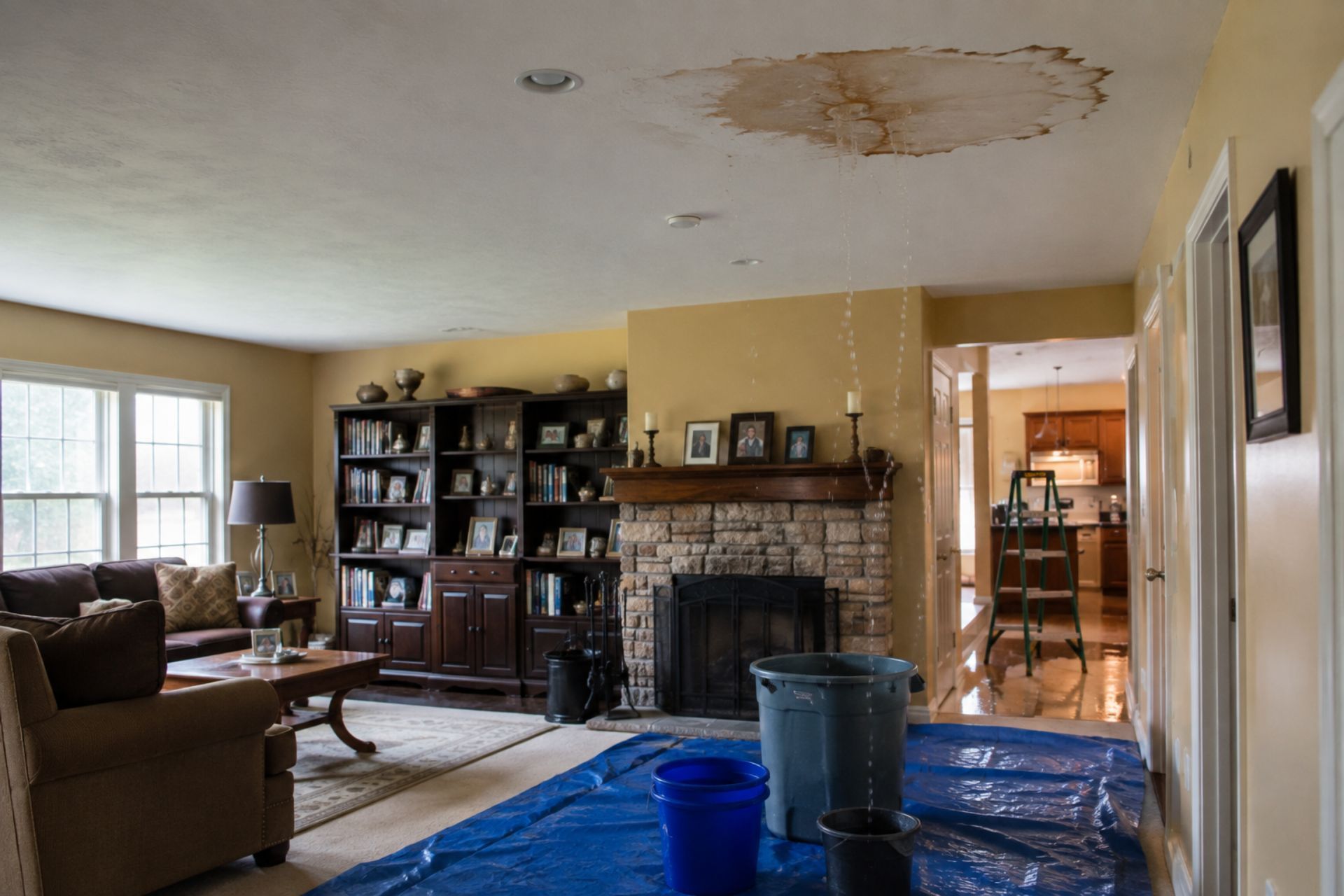
Pennsylvania winters test every rental property. Ice dams form when heat escapes through poorly insulated attics, melting snow that refreezes at gutters. The resulting water infiltration damages ceilings, walls, and insulation. Standard policies cover this damage, but repeated claims can trigger non-renewal.
Severe thunderstorms bring wind and hail damage, particularly in western Pennsylvania. The state averages 15-20 severe weather events annually, making windstorm coverage essential. Review your policy's wind and hail deductible: some insurers impose percentage-based deductibles (typically 1-2% of dwelling coverage) rather than flat dollar amounts.
Flood Risk and Mine Subsidence Insurance Needs
Standard landlord policies exclude flood damage entirely. If your property sits in a FEMA-designated flood zone, your lender requires separate flood insurance through the National Flood Insurance Program or a private carrier. Even properties outside mapped zones face flood risk: over 20% of flood claims come from low-to-moderate risk areas.
Mine subsidence presents a uniquely Pennsylvania problem. The state's coal mining history left underground voids that can collapse decades later, damaging foundations and structures. The Pennsylvania Mine Subsidence Insurance Fund offers affordable coverage that standard policies exclude. Properties in Allegheny, Westmoreland, Fayette, and other coal region counties should strongly consider this endorsement.

Policy Types: Choosing Between DP-1, DP-2, and DP-3
Dwelling policies come in three forms, each offering different protection levels at corresponding price points.
| Feature | DP-1 (Basic) | DP-2 (Broad) | DP-3 (Special) |
|---|---|---|---|
| Covered Perils | Named perils only (10) | Named perils (18) | Open perils (all except exclusions) |
| Valuation | Actual cash value | Replacement cost | Replacement cost |
| Best For | Older, lower-value properties | Mid-range rentals | Higher-value investments |
| Premium Level | Lowest | Moderate | Highest |
DP-1 policies cover only specifically listed perils and pay claims based on depreciated value. A 15-year-old furnace destroyed by fire might yield only $500 on a DP-1 policy versus $3,000 replacement cost on a DP-3.
Most Pennsylvania property owners benefit from DP-3 coverage. The open-perils structure means you're covered unless the policy specifically excludes something, providing broader protection against unexpected losses.
Your premium reflects the risk your property presents. Understanding these factors helps you control costs without sacrificing coverage.
Property Age and Safety System Upgrades
Older properties cost more to insure because aging systems fail more frequently. A rental built in 1920 with original wiring and plumbing presents different risks than a 2010 construction.
Upgrades that reduce premiums include:
- Updated electrical panels (replacing fuse boxes)
- New roofing within the past 10 years
- Central fire and burglar alarm systems
- Updated plumbing (copper or PEX replacing galvanized)
- Smoke detectors and carbon monoxide alarms
Document these improvements and share them with your insurer. Some carriers offer 5-15% discounts for modernized systems.
Impact of Tenant Screening and Lease Terms
Insurers increasingly consider your tenant selection practices when pricing coverage. Properties with thorough screening processes, including credit checks, employment verification, and rental history review, may qualify for better rates.
Your lease terms matter too. Requiring renters insurance shifts some liability to tenants and their policies. Prohibiting certain dog breeds or limiting occupancy can also influence premiums. Some insurers offer discounts for landlords who use professional property management companies.
Maximizing Protection with Optional Endorsements
Standard policies leave gaps that optional endorsements can fill. Consider these additions based on your specific risks.
Vandalism and Malicious Mischief Coverage
Basic DP-1 policies often exclude vandalism when properties sit vacant between tenants. If your rental might sit empty for 30+ days during turnover, add vandalism coverage explicitly. This protects against damage from break-ins, graffiti, and intentional destruction.
The coverage becomes especially valuable in urban markets where vacant properties attract unwanted attention. Philadelphia landlords, in particular, should verify their policies cover vandalism during vacancy periods.
Building Ordinance and Law Adjustments
When older buildings suffer major damage, repair costs often exceed the original loss. Building codes change over time, and bringing a 1950s property up to current standards during reconstruction adds significant expense.
Building ordinance coverage pays the additional cost of meeting current codes during repairs. This includes demolition costs for undamaged portions that must be removed, increased construction costs for code compliance, and the loss in value if codes prevent full reconstruction.
Frequently Asked Questions
How much does landlord insurance cost in Pennsylvania? Expect to pay $800-$2,000 annually per property, depending on location, coverage limits, and property characteristics. Philadelphia and Pittsburgh properties typically cost more than rural areas.
Does my landlord policy cover tenant belongings? No. Landlord insurance protects the building and your liability, not tenant possessions. Require tenants to carry renters insurance to protect their belongings.
What happens if my tenant causes a fire? Your dwelling coverage pays for property damage regardless of fault. You may be able to subrogate against the tenant's renters policy to recover your deductible.
Should I require renters insurance from tenants? Yes. Renters insurance protects tenant belongings, provides liability coverage for their actions, and reduces claims against your policy. Most landlords now include this requirement in lease agreements.
How do I file a claim on my landlord policy?
Contact your insurer immediately after discovering damage. Document everything with photos and videos. Keep receipts for emergency repairs. Provide a detailed inventory of damaged items with estimated values.
Making the Right Coverage Decision
Protecting your Pennsylvania rental property requires more than a basic policy. Regional risks like mine subsidence and harsh winters demand specific coverage additions. The difference between DP-1 and DP-3 policies can mean tens of thousands of dollars when claims occur.
Review your current coverage against this guide. Verify your liability limits match your exposure. Confirm flood and mine subsidence risks are addressed. Check that your loss of income coverage reflects actual rental rates. Small premium increases now prevent catastrophic losses later.
Work with an agent who understands Pennsylvania's rental market and can customize coverage for your specific properties. Your rental investments deserve protection that matches their value.
ABOUT THE AUTHOR:
TYLER REITZ, CIC, CPCU, ARM, AU
As Managing Principal of Bowmans Insurance, I’m passionate about helping businesses and individuals protect what matters most with clarity and confidence. With advanced designations including CIC, CPCU, ARM, and AU, I bring a comprehensive approach to risk management—ensuring every client receives strategic, reliable, and personalized coverage.
Contact Us
Why Work With Us?
Why Choose Bowman Insurance Group for Personal Insurance?


Choice and Transparency
Bowman Insurance Group works for you, not the insurance providers. We offer a wide selection of policies from reputable insurers, giving you options that suit your unique needs. We prioritize clarity and honesty, ensuring you understand each policy’s benefits and limitations.


Your Personal Advocate
Our team is committed to more than policy sales—we’re here to serve as your advocate. We balance your coverage needs with affordability, working to provide you with the best value without compromise. Every decision we support is made with your best interests in mind.


Expert Guidance for Life
Insurance can feel complex, but we’re here to make it simple. With years of experience, our advisors explain policies clearly and keep you informed of relevant changes. You’ll receive consistent support from trusted professionals who understand your needs and are dedicated to helping you make informed choices.
About Bowman's Insurance Group
Over 100 years Delivering Exceptional Service to Our Community
Personal Insurance Coverage in Pennsylvania
Personal Insurance Solutions in Pennsylvania
Home
Insurance
Auto
Insurance
Umbrella
Insurance
Condo
Insurance
Boat
Insurance
Motorcycle Insurance
RV
Insurance
ATV
Insurance
Insurance Client Reviews
Read our
customer reviews


40+
Insurance Partners
98%
Client Retention Rate
100
Years in Business
98%
Satisfaction Rate
Process of Working With A Personal Insurance Agent in Pennsylvania

Step 1: Initial Assessment
Our process begins with a comprehensive review of your personal insurance needs. We’ll assess factors like your lifestyle, family needs, and assets, so you get the coverage that best suits your unique situation.
Step 2: Customized Consultation
Meet with our knowledgeable agents one-on-one to discuss options tailored to your requirements. We aim to clarify your choices and recommend the most suitable coverage, considering both quality and affordability.
Step 3: Policy Selection & Activation
Once we identify the right coverage, we’ll handle the paperwork and activate your policy. Our team ensures a smooth, straightforward process, giving you confidence and peace of mind in your coverage.
Our Experts
Meet Our Team of Professional Insurance Experts
Tyler Reitz CIC, CPCU, ARM, AU
President
Carmen Donachy, CISR
Treasurer and Customer Service Rep
Brian Brassell, CSA, CRPC
Investment Advisor Representative, Director of Financial Services Division
Kassie Swope, CIC, CISR, AINS
Commercial Department Manager
Our News & Blogs
Latest insurance news & blogs