Pennsylvania Vacant Property Insurance

See How We're Different:
Call Us: 717-838-5464
The Importance of Vacant Property Insurance in Pennsylvania
A vacant building sits like an open invitation for trouble. Pipes freeze and burst during harsh Pennsylvania winters. Vandals break windows. Squatters move in. And when something goes wrong, your standard homeowners policy likely won't cover a dime of the damage.
Property owners across Pennsylvania face this reality more often than you'd expect. Maybe you've inherited a house that needs months of renovation. Perhaps you're between tenants on a rental property, or you've relocated for work and can't sell your old home quickly. Whatever the reason, the moment your property sits empty for an extended period, your insurance coverage changes dramatically.
This Pennsylvania vacant property insurance coverage guide helps you understand what happens when a building goes unoccupied and how to protect your investment. Most property owners don't realize their standard policy contains vacancy clauses that can void coverage entirely. The rules differ from typical homeowners insurance, the premiums run higher, and the coverage options require careful consideration.
Pennsylvania's climate creates unique challenges for empty buildings. The state experiences everything from humid summers that encourage mold growth to freezing winters that threaten plumbing systems. Add in the varying crime rates across urban, suburban, and rural areas, and you've got a complex risk profile that demands specialized coverage.
Defining Vacancy vs. Unoccupancy
Insurance companies draw a sharp line between vacant and unoccupied properties, and understanding this distinction can save you thousands. A vacant property contains no personal belongings and shows no signs of regular human activity. An unoccupied property still has furniture and possessions inside, but nobody's living there temporarily.
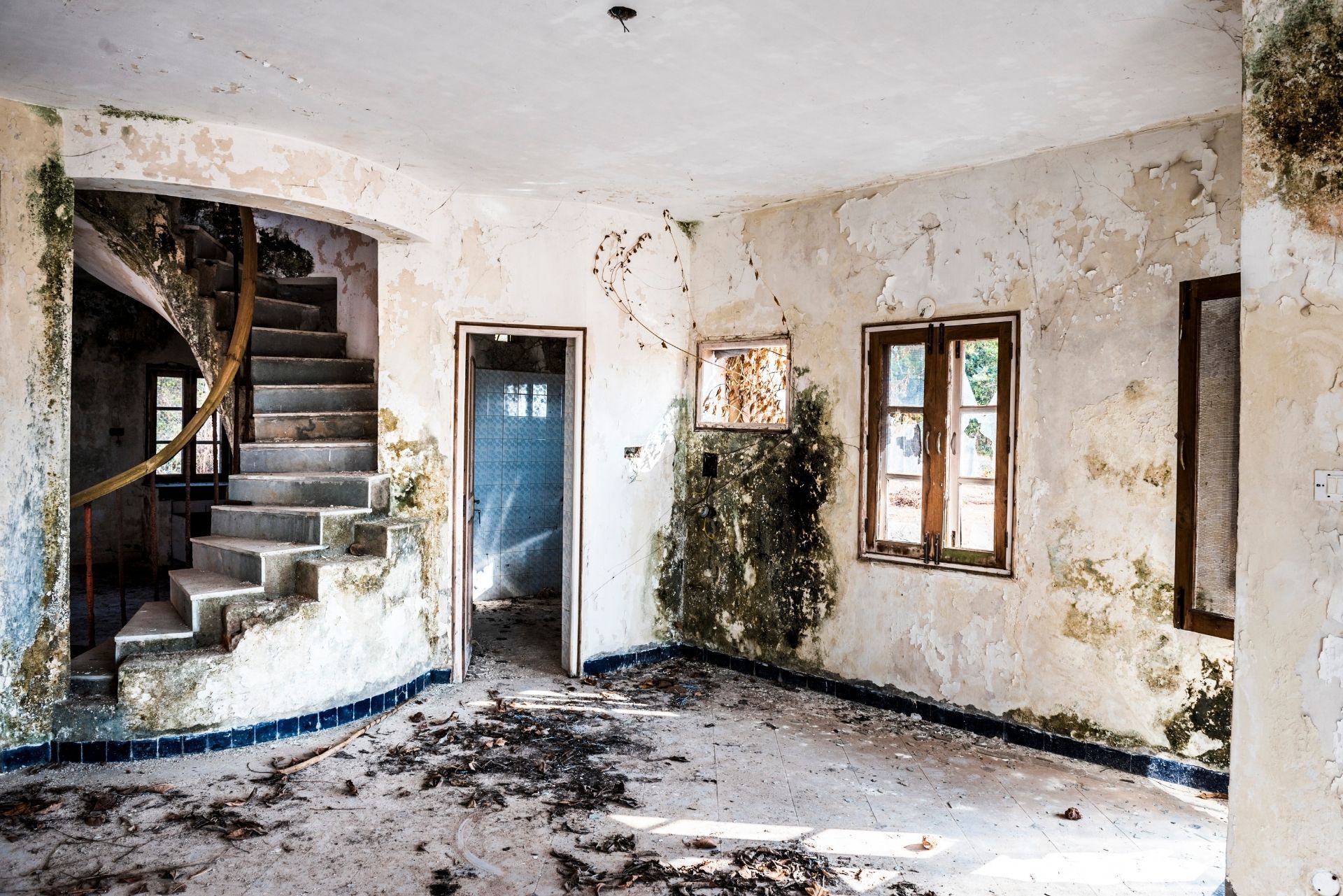
Think of it this way: a furnished home where the owner is on a three-month European vacation is unoccupied. That same home completely emptied out and listed for sale is vacant. Insurance carriers view vacant properties as significantly higher risk because they attract vandals, squatters, and deteriorate faster without regular maintenance.
Your policy language matters here. Some carriers use these terms interchangeably, while others maintain strict definitions. Review your current policy carefully or ask your agent directly how your insurer defines these categories.
Common Risks for PA Empty Homes
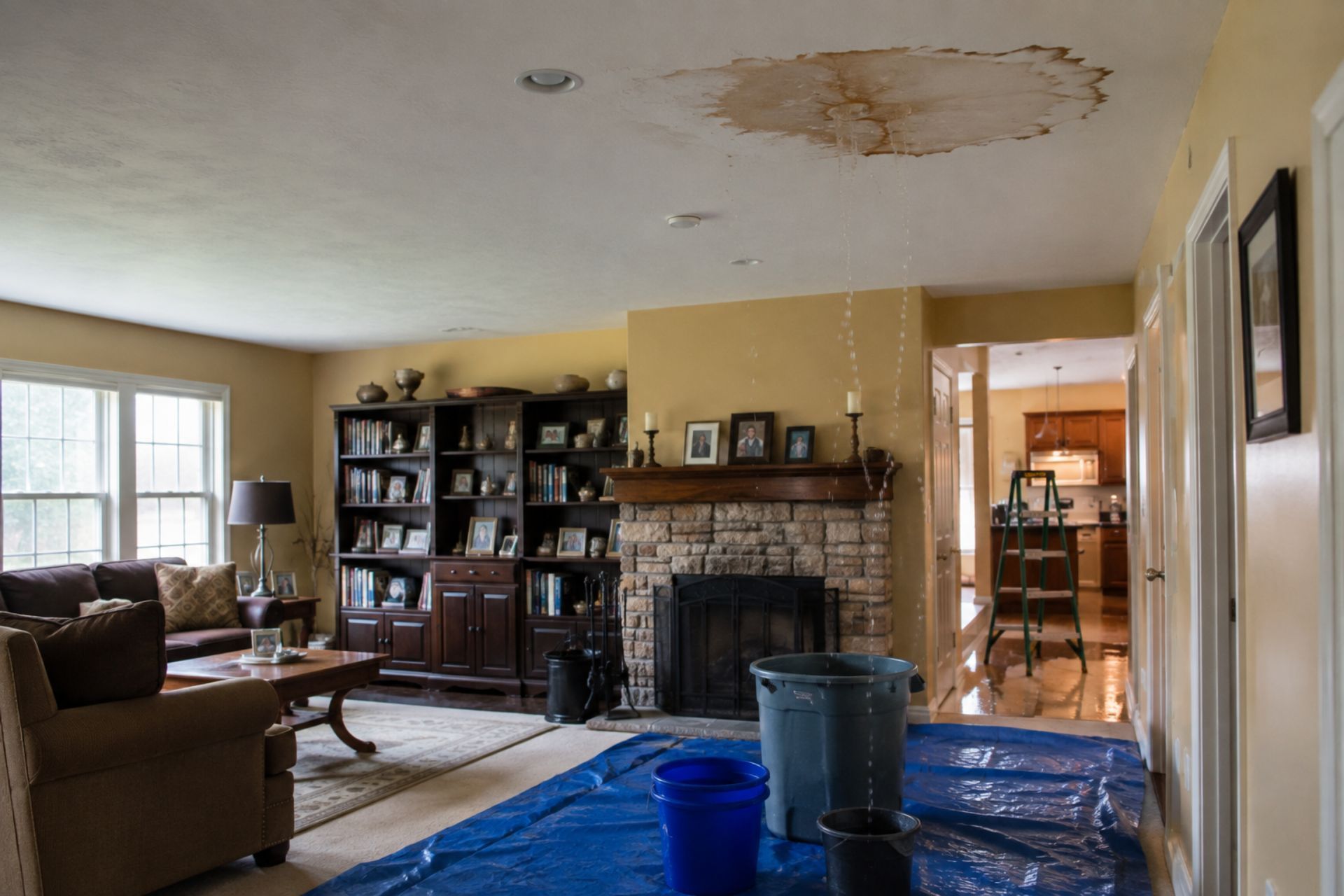
Pennsylvania's geography and climate create a specific set of hazards for vacant properties. Water damage tops the list, particularly from frozen pipes during the state's cold winters. Without someone present to notice a leak or maintain heating systems, minor issues become catastrophic failures.
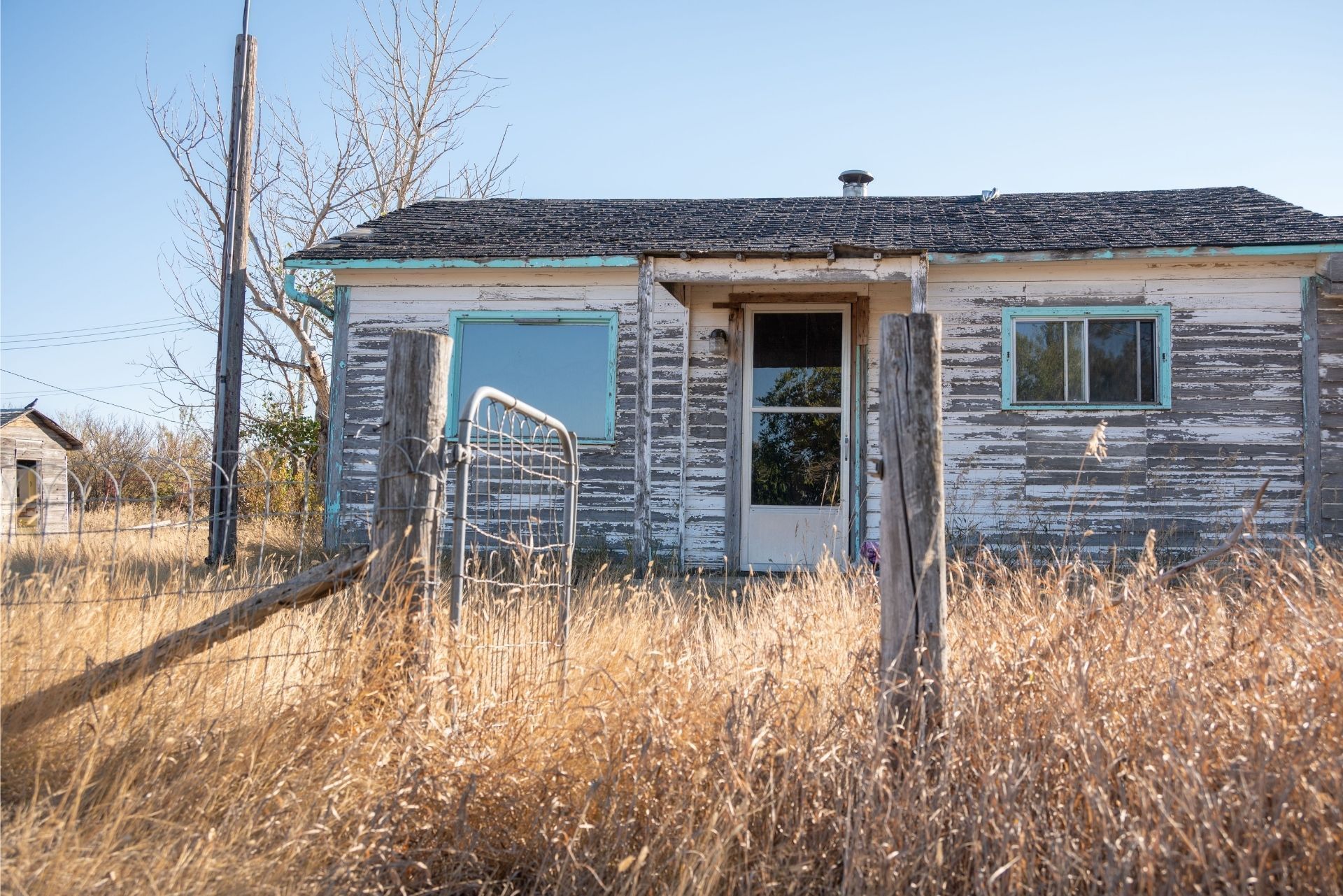
Vandalism and theft occur more frequently in empty buildings. Criminals target vacant homes for copper piping, HVAC equipment, and appliances. Squatters present liability concerns if they're injured on your property. Fire risks increase when electrical systems go unmaintained or when vagrants seek shelter.
Liability exposure extends beyond trespassers. If a mail carrier slips on your icy walkway or a neighbor's child gets hurt exploring your empty garage, you're potentially responsible.
Standard policies often exclude or limit these claims for vacant properties.
Pennsylvania State Regulations and Policy Requirements
Pennsylvania doesn't mandate vacant property insurance, but the state's insurance code affects how carriers write these policies. Understanding these regulations helps you make informed decisions and avoid coverage gaps that could prove financially devastating.
The Pennsylvania Insurance Department oversees all property insurance sold in the state. Carriers must file their policy forms and rates for approval, which means vacancy clauses and exclusions follow certain guidelines. This provides some consumer protection, but it doesn't eliminate the need for careful policy review.
The 30-to-60 Day Vacancy Clause
Nearly every standard homeowners and commercial property policy includes a vacancy clause. In Pennsylvania, this typically activates after 30 to 60 consecutive days of vacancy. Once triggered, your coverage changes significantly.
Most policies reduce vandalism and malicious mischief coverage by 15% after the vacancy period begins. Some eliminate it entirely. Water damage coverage often disappears. Glass breakage claims may be denied. The specific restrictions depend on your carrier and policy type, but the pattern holds consistent: less coverage when you need it most.
| Coverage Type | Standard Policy | After Vacancy Clause Triggers |
|---|---|---|
| Fire | Full coverage | Usually maintained |
| Vandalism | Varies by incident | Reduced 15% or excluded |
| Water damage | Full coverage | Often excluded |
| Theft | Full coverage | Typically excluded |
| Liability | Full coverage | May be limited |
Notifying your insurer before the vacancy period expires is essential. Failing to disclose vacancy can void your entire policy, leaving you completely unprotected.
Pennsylvania FAIR Plan Alternatives
When standard insurers decline coverage, Pennsylvania's FAIR Plan provides a safety net. This state-mandated program offers basic property insurance to owners who can't find coverage in the voluntary market.
FAIR Plan policies cover fire and extended perils but typically exclude many risks that concern vacant property owners. The coverage is bare-bones compared to standard policies. Premiums often run higher than you'd pay in the regular market.
Consider the FAIR Plan as a last resort rather than a first choice. Work with an independent agent who can shop multiple carriers before turning to this option. Some specialty insurers focus specifically on vacant properties and may offer better coverage at competitive rates.

By: Tyler Reitz
Managing Principal of Bowmans Insurance
Types of Coverage for Vacant Buildings
Vacant property policies differ substantially from standard homeowners insurance. Understanding your options helps you build appropriate protection without paying for coverage you don't need.
Named Peril vs. Open Peril Policies
Named peril policies cover only the specific risks listed in your policy. If a cause of loss isn't explicitly named, you have no coverage. Common named perils include fire, lightning, windstorm, hail, explosion, and smoke damage.
Open peril policies, sometimes called all-risk coverage, work in reverse. They cover any cause of loss unless specifically excluded. This broader protection costs more but eliminates many coverage gaps that catch property owners off guard.
For vacant properties, named peril policies are more common and affordable. Open peril coverage for empty buildings is harder to find and significantly more expensive. Your choice depends on the property's value, your risk tolerance, and your budget.
General Liability for Trespasser Injuries
Premises liability coverage protects you if someone gets injured on your vacant property. This includes legitimate visitors like contractors, real estate agents, and utility workers. It also covers trespassers in certain circumstances.
Pennsylvania follows a modified approach to trespasser liability. Property owners generally owe minimal duty to adult trespassers but face higher obligations toward children who might be attracted to hazards on the property. An unfenced swimming pool or abandoned equipment could create what's called an "attractive nuisance."
Most vacant property policies include some liability coverage, but limits vary widely. Consider at least $300,000 in coverage, with $500,000 or more for properties in high-traffic areas or those with potential hazards.
Vandalism and Malicious Mischief Add-ons
Since standard vacancy clauses often exclude or reduce vandalism coverage, purchasing this protection separately becomes important. Standalone vandalism endorsements restore coverage that your base policy eliminates.
These add-ons typically require you to maintain certain security measures. Insurers may mandate deadbolt locks, boarded windows, regular property inspections, or alarm systems. Failing to maintain these requirements can void the endorsement.
The cost varies based on property location and condition. Urban properties in high-crime areas pay more than rural homes. Buildings with existing security features qualify for better rates.
Vacant property insurance costs more than standard coverage, but rates vary dramatically based on several factors. Understanding what drives pricing helps you manage costs and identify opportunities for savings.
Property Location and Local Crime Rates
Your property's ZIP code significantly impacts your premium. Insurers use detailed crime statistics, fire response times, and claims history to assess risk by location. A vacant home in downtown Philadelphia faces different hazards than one in rural Lancaster County.
Urban areas typically see higher premiums due to increased vandalism, theft, and arson risks. Suburban properties fall in the middle range. Rural locations may seem safer but face longer emergency response times and increased risk from undetected problems.
Proximity to fire hydrants and fire stations also affects rates. Properties within 1,000 feet of a hydrant and five miles of a fire station qualify for better pricing.
Building Security and Winterization Measures
The steps you take to protect your vacant property directly influence your insurance costs. Carriers reward proactive risk management with lower premiums.
Effective security measures include:
- Deadbolt locks on all exterior doors
- Security lighting with motion sensors or timers
- Monitored alarm systems with fire and intrusion detection
- Regular property inspections, documented with photos
- Maintained landscaping that doesn't signal vacancy
Winterization proves critical in Pennsylvania. Draining water lines, shutting off the main water supply, and maintaining minimal heat prevents frozen pipe disasters. Some insurers require these steps as policy conditions.
Steps to Secure a Vacant Property Policy
Finding appropriate coverage requires more effort than renewing a standard homeowners policy. Start by contacting your current insurer to understand how your existing coverage handles vacancy. Ask specifically about the vacancy clause timeline and what coverages change once it triggers.
If your current carrier won't extend adequate vacant property coverage, work with an independent insurance agent who represents multiple companies. Specialty insurers like Foremost, Safeco, and American Modern focus on non-standard property risks and often provide better options than mainstream carriers.
Gather detailed information about your property before shopping for quotes. Insurers want to know the building's age, construction type, square footage, and current condition. They'll ask about security measures, planned vacancy duration, and your intended use for the property.
Request quotes from at least three carriers. Compare not just premiums but coverage limits, exclusions, and policy conditions. The cheapest policy often contains the most restrictions.
Frequently Asked Questions
How long can a house sit empty before insurance becomes an issue? Most policies trigger vacancy clauses after 30 to 60 consecutive days. Check your specific policy language, as this varies by carrier.
Will my regular homeowners policy cover a vacant rental property? Unlikely. Rental properties require landlord policies, and vacancy clauses apply to those as well. You'll need specialized vacant property coverage.
Can I just not tell my insurance company the house is vacant? This is insurance fraud and will void your policy entirely. Any claim you file will be denied, and you may face legal consequences.
How much more does vacant property insurance cost? Expect to pay two to three times more than standard homeowners coverage. Rates vary based on location, property condition, and coverage limits.
Do I need vacant property insurance if I'm renovating?
Yes, and you may need a builder's risk policy instead. Renovation creates additional hazards that standard vacant property policies may not cover.
Making the Right Coverage Decision
Protecting a vacant property in Pennsylvania requires understanding your risks and finding coverage that addresses them. The vacancy clauses in standard policies create dangerous gaps that leave many property owners exposed without realizing it.
Take action before your property sits empty for 30 days. Contact your insurer, explore your options, and secure appropriate coverage. The premium costs far less than a single uninsured claim.
For property owners needing guidance on vacant property insurance coverage options, working with an experienced independent agent simplifies the process. They can shop multiple carriers, explain policy differences, and help you balance protection against cost. Your vacant property represents a significant investment, and proper insurance ensures it stays protected until you're ready to occupy, sell, or lease it again.
ABOUT THE AUTHOR:
TYLER REITZ, CIC, CPCU, ARM, AU
As Managing Principal of Bowmans Insurance, I’m passionate about helping businesses and individuals protect what matters most with clarity and confidence. With advanced designations including CIC, CPCU, ARM, and AU, I bring a comprehensive approach to risk management—ensuring every client receives strategic, reliable, and personalized coverage.
Contact Us
Why Work With Us?
Why Choose Bowman Insurance Group for Personal Insurance?


Choice and Transparency
Bowman Insurance Group works for you, not the insurance providers. We offer a wide selection of policies from reputable insurers, giving you options that suit your unique needs. We prioritize clarity and honesty, ensuring you understand each policy’s benefits and limitations.


Your Personal Advocate
Our team is committed to more than policy sales—we’re here to serve as your advocate. We balance your coverage needs with affordability, working to provide you with the best value without compromise. Every decision we support is made with your best interests in mind.


Expert Guidance for Life
Insurance can feel complex, but we’re here to make it simple. With years of experience, our advisors explain policies clearly and keep you informed of relevant changes. You’ll receive consistent support from trusted professionals who understand your needs and are dedicated to helping you make informed choices.
About Bowman's Insurance Group
Over 100 years Delivering Exceptional Service to Our Community
Personal Insurance Coverage in Pennsylvania
Personal Insurance Solutions in Pennsylvania
Home
Insurance
Auto
Insurance
Umbrella
Insurance
Condo
Insurance
Boat
Insurance
Motorcycle Insurance
RV
Insurance
ATV
Insurance
Insurance Client Reviews
Read our customer reviews


40+
Insurance Partners
98%
Client Retention Rate
100
Years in Business
98%
Satisfaction Rate
Process of Working With A
Personal Insurance Agent in Pennsylvania

Step 1: Initial Assessment
Our process begins with a comprehensive review of your personal insurance needs. We’ll assess factors like your lifestyle, family needs, and assets, so you get the coverage that best suits your unique situation.
Step 2: Customized Consultation
Meet with our knowledgeable agents one-on-one to discuss options tailored to your requirements. We aim to clarify your choices and recommend the most suitable coverage, considering both quality and affordability.
Step 3: Policy Selection & Activation
Once we identify the right coverage, we’ll handle the paperwork and activate your policy. Our team ensures a smooth, straightforward process, giving you confidence and peace of mind in your coverage.
Our Experts
Meet Our Team of Professional Insurance Experts
Tyler Reitz CIC, CPCU, ARM, AU
President
Carmen Donachy, CISR
Treasurer and Customer Service Rep
Brian Brassell, CSA, CRPC
Investment Advisor Representative, Director of Financial Services Division
Kassie Swope, CIC, CISR, AINS
Commercial Department Manager
Our News & Blogs
Latest insurance news & blogs