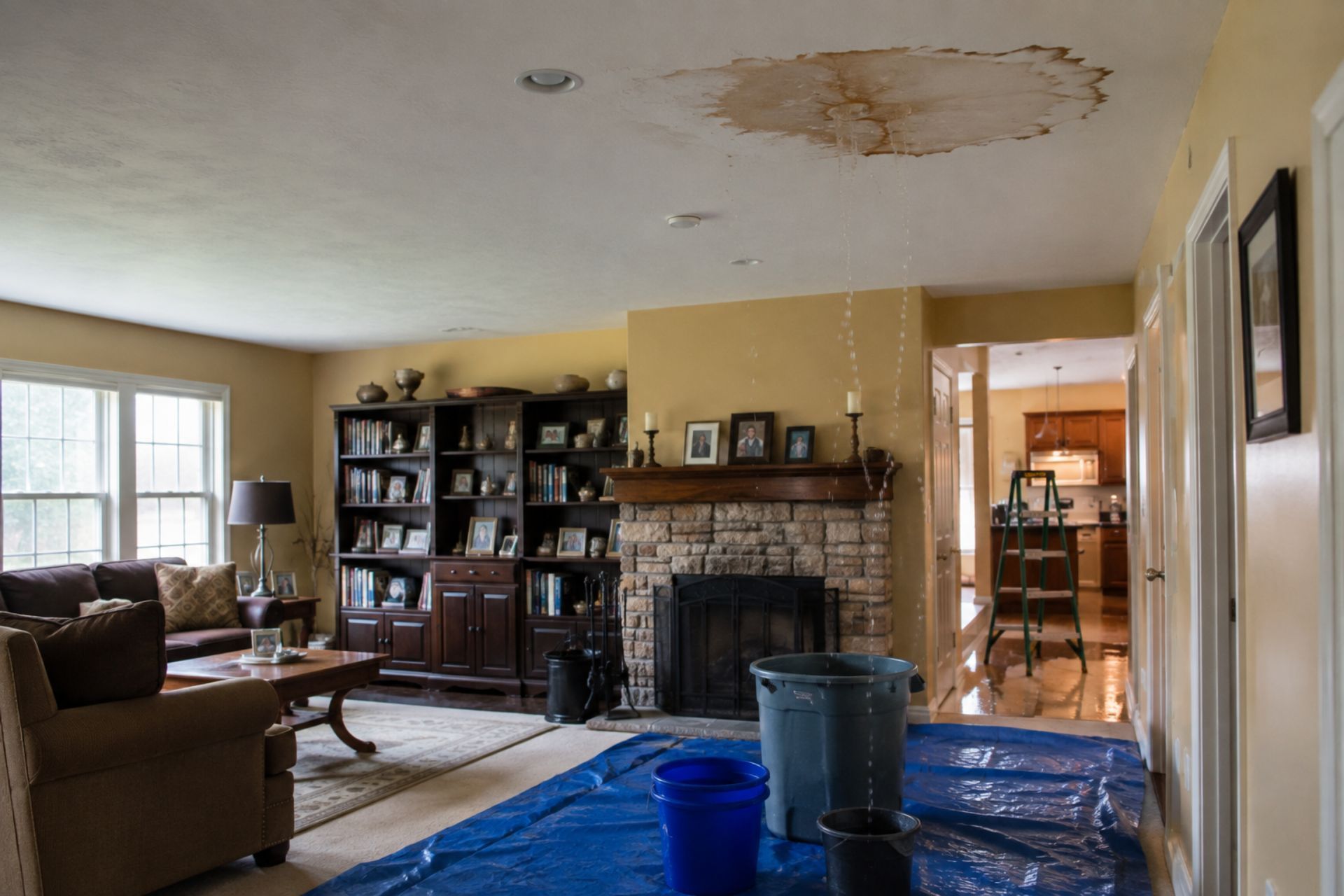

A burst pipe in a rented apartment or a small kitchen fire can quickly turn into an expensive ordeal if personal belongings aren’t adequately protected. Pennsylvania tenants need a robust understanding of renters insurance coverage to safeguard their assets, particularly as the cost of living and the risk environment evolve. This guide outlines what renters insurance covers, how state-specific trends affect coverage, and what factors to consider when choosing a policy. For example, Pennsylvania renters enjoy premiums that are nearly $5 cheaper per month than the national average, according to recent findings on renters insurance premiums in Pennsylvania.
Recent data shows that while many homeowners are facing increased premiums, renters often find some relief with relatively modest rates. However, this doesn’t mean renters should be complacent. The environment in Pennsylvania is unique, with regional risk factors such as burglary rates and fire incidents playing a significant role. Understanding these nuances can make all the difference if an unforeseen event occurs.
Before exploring the details, it is important to understand the landscape of insurance trends and market dynamics shaping Pennsylvania’s renters market. This article draws on the latest research to provide a comprehensive overview, including trends observed across different demographic segments and how these influence coverage decisions for Pennsylvania tenants.
Understanding Renters Insurance Basics
What Does Renters Insurance Cover?
Renters insurance is designed to protect personal property and cover liability expenses in the event of damage or injury. In a typical policy, personal belongings such as furniture, electronics, and clothing are covered against risks like theft, fire, or water damage.
Additionally, many policies include liability protection. This means if a visitor is injured in the rented home and chooses to sue, the insurance can help cover medical or legal expenses. The coverage might also extend to extra living expenses if the rented unit becomes temporarily uninhabitable.
Understanding the scope of protection is crucial, as it ensures tenants are not caught off guard when the unexpected happens. A detailed review of policy terms is recommended, along with consultations from insurance agents who can pinpoint any gaps in coverage.
Policy Types and Coverage Levels
There are several policy structures available, ranging from basic to comprehensive plans. A basic policy will primarily cover direct losses such as fire damage and theft. More comprehensive policies might include a broader array of incidents such as accidental water damage, which can be particularly important in older Pennsylvania apartments with dated plumbing systems.
The varying levels of coverage can affect both the premium cost and the deductible. A renter might choose a higher deductible in exchange for lower monthly premiums. It is all about striking a balance that fits both the budget and the risk profile of the individual tenant.
In Pennsylvania, where renters face a mix of risks and benefits compared to homeowners, customizing a policy that meets specific needs is essential. Data from
recent studies indicates incremental price differences can lead to significant savings over time.


By: Tyler Reitz
Managing Principal of Bowmans Insurance
Key Components of Pennsylvania Renters Insurance
Personal Belongings Coverage
If a fire or burglary affects a rented unit, personal belongings can suffer significant damage. In Pennsylvania, this is a concern due to a relatively high burglary rate; one study noted that in 2020, Pennsylvania experienced 31,774 burglary incidents, making it the state with one of the higher risk profiles for this occurrence (PennsylvaniaInsurance.org).
When selecting a policy, it is important to calculate the replacement value of all possessions accurately. This includes furniture, electronics, clothing, and other valuable items. Tenants should also be aware of any limitations in coverage, such as the maximum reimbursement limits for specific kinds of items like jewelry or art.
Some policies offer an option for additional coverage, often called “floater” coverage, that can be added to enhance the protection of high-value items. Although this may increase the premium, the added security can be worth the cost if significant investments in personal property are at risk.
Liability Coverage and Its Importance
Liability protection is a critical part of a renters policy, ensuring that a tenant is financially shielded against claims resulting from accidents or injuries that occur within the rented property. For example, a friend slipping on a wet floor and sustaining injuries might lead to expensive medical bills or legal claims. Liability coverage helps cover these costs.
This aspect of renters insurance is not just about safeguarding assets but also about protecting one’s financial future. Liability claims can be financially catastrophic without the proper safeguards, which is why many experts emphasize the importance of adequate coverage. For tenants in Pennsylvania, ensuring that liability coverage is robust is a key consideration when deciding on policy limits.
Insurance providers often recommend liability limits that are sufficient to cover potential costs, a decision that becomes even more important in states with higher incident rates. Given that Pennsylvania also sees a significant number of fire-related incidents-11.2% of emergency events were noted as fire-related in this region-it is particularly important for renters to have strong liability protection (PennsylvaniaInsurance.org).
Additional Living Expenses
Renters insurance is not simply about replacing damaged property; it can also cover the costs incurred if a rented unit becomes uninhabitable. For example, if a tenant must evacuate due to a fire, the policy might cover hotel expenses and temporary meals until the unit is repaired.
Additional living expenses (ALE) coverage is an integral element that often goes unnoticed until a crisis occurs. Having ALE coverage ensures that tenants are not left scrambling financially during a difficult time. The coverage varies between policies, and understanding the limits and conditions is vital.
Tenants should consider the geographic risks specific to their area. In Pennsylvania where fire incidents account for a significant percentage of emergencies, understanding the ALE component of policies can add peace of mind.
Understanding Pennsylvania's Insurance Market Trends
Shifts in Premiums and Market Dynamics
Recent trends indicate that while homeowners face rising premiums-61% of homeowners reported increases in the last 12 months-the renters market has a different trajectory. Average renters insurance premiums in Pennsylvania remain relatively low, with an estimated annual cost of around $153. However, data shows a modest premium increase of 9.8% over the past six years (ValuePenguin).
What this means for tenants is that while the cost remains accessible, potential changes in policy pricing require close observation. With economic fluctuations and market pressures, Pennsylvania tenants should review their insurance policies periodically to ensure they continue to provide worthwhile coverage at competitive rates.
Understanding the broader market dynamics also means being mindful of providers offering stable premium pricing. This is especially important since some studies have shown that nearly 20% of homeowners would opt out of insurance if not required by their mortgage lender-an indicator of how pricing pressures can affect consumer behavior (Patch).
The Impact of Risk Factors on Policy Costs
Risk factors such as regional crime rates and fire incidents have a direct effect on insurance policies. With Pennsylvania reporting a higher-than-average rate of fire-related emergencies at 11.2% in 2020 (PennsylvaniaInsurance.org), tenants living in older buildings or areas prone to fire hazards might experience adjustments in policy pricing over time.
Additionally, the state's burglary rates-evident in the high number of reported incidents-necessitate strong coverage for personal belongings. This is particularly significant for urban centers where burglary risks are higher. Insurance providers often factor in these regional risks when setting premium rates, meaning tenants living in high-risk locales should consider higher policy limits or additional coverage options to be adequately protected.
While statistics show that a considerable portion of Pennsylvania renters and homeowners is adjusting to premium increases, it remains essential that each tenant understands the underlying risk factors that affect their specific neighborhood or building structure.

Factors That Influence Renters Insurance Premiums
Location and Demographics
Geographical location plays a major role in determining insurance premiums. Within Pennsylvania, certain regions report a higher rate of risks, such as fire incidents or burglaries, which can influence the cost of premiums. Urban areas, for example, might see higher costs due to increased exposure to external risk factors.
Demographic factors also influence cost. A survey conducted by the Federal Reserve Bank of Philadelphia found that approximately 19.7% of respondents owned renters insurance in 2024, with coverage decreasing with both age and income (Federal Reserve Bank of Philadelphia). This suggests that younger renters or those with lower incomes might be less inclined to invest in extensive coverage, despite the potential risks.
Understanding these demographic trends helps insurance providers tailor their offerings. It also provides guidance to potential customers on how their specific profile could affect premium pricing and coverage options.
Building Age and Construction
The construction and age of a building are significant factors when it comes to determining risk. Older buildings in Pennsylvania may not have modern fire suppression systems or updated safety features, potentially leading to higher claims in the event of an incident.
Insurance companies take these factors into account and may increase rates for properties deemed higher risk. Tenants living in older apartments might consider additional liability or personal property protection to counterbalance these risks.
In regions where older buildings dominate the landscape, it is wise to review the building's safety features and even consider additional endorsements that specifically cover structural deficiencies or outdated systems.
Claim History and Deductible Choices
A tenant’s claim history can also influence premium pricing. Frequent claims or a history of previous incidents can mark an individual as a higher risk, resulting in higher monthly costs. On the flip side, selecting a higher deductible on a policy can help reduce the premium.
Carefully weighing deductible levels can be an effective strategy for cost management. However, it is important to choose a deductible that can be comfortably paid if a claim arises. Insurance providers base many of their rate calculations on these risk profiles and personal histories, meaning that maintaining a clean claim record may yield long-term financial benefits.
Ultimately, careful management of deductible levels and understanding one’s own risk exposure are key to finding the right balance between adequate coverage and affordability.
Key Differences from Homeowners Insurance
While homeowners insurance and renters insurance share certain similarities, there are distinct differences between them. Homeowners insurance covers the structure of a house, while renters insurance is intended only for personal belongings and liability. This distinction means that tenants do not pay for structural repairs, as that remains the landlord’s responsibility.
One important consideration is that homeowners often experience rising premiums; in 2023, 72% of home insurance policyholders reported rate increases (Pennsylvania Association of Realtors®). Renters, however, tend to face a different pricing environment with less exposure to these structural risks.
This differentiation means that while renters enjoy generally lower rates, personal financial planning should still incorporate adequate coverage for valuable personal belongings.
Additional Endorsements and Riders
Many insurance companies offer riders or endorsements that cover specific scenarios not included in a standard policy. Endorsements might add protection for items like electronics, high-value jewelry, or specialized equipment. In urban Pennsylvania, where technological devices and sophisticated entertainment systems are common, these additions can provide significant extra protection.
Renters should consider whether they need these additional endorsements, particularly if they own items exceeding typical coverage limits. Adding endorsements will usually increase premiums marginally, but they provide peace of mind in the event of a significant loss.
This approach highlights the importance of tailoring a policy to individual needs rather than opting for a one-size-fits-all solution. A balanced assessment of risks and valuables will help tenants choose the right mix of standard coverage and additional endorsements.
State-Specific Considerations for Pennsylvania Tenants
Fire Risks and Emergency Incidents
Fire incidents are a prominent concern in Pennsylvania. Data indicates that 11.2% of emergency incidents in the state were fire-related in 2020 (PennsylvaniaInsurance.org). This elevated risk emphasizes the importance of having comprehensive renters insurance that not only covers personal belongings but includes additional living expenses in the event of uninhabitability.
For tenants, this means paying particular attention to fire safety measures in their buildings and reviewing insurance policies to ensure that the coverage provided extends sufficiently to extra expenses incurred after a fire incident.
Selecting a provider with a solid track record in processing claims for fire-related emergencies can further reduce potential stress during such critical moments.
The Influence of Crime Rates
Burglaries continue to pose a threat in Pennsylvania, with the state recording over 31,000 incidents in 2020 (PennsylvaniaInsurance.org). High burglary rates necessitate robust personal property coverage. A security system and appropriate living arrangements can lower the risk, yet a comprehensive policy that recognizes these higher risks remains essential.
Renters should assess their neighborhood’s safety and factor in the crime rate when determining the policy limits needed. Coverage limits may need to be adjusted, especially if living in areas that see higher incident reports.
This focus on crime risks is particularly significant for tenants who live in densely populated or urban locations, where burglary rates are known to be higher relative to suburban or rural areas.
Affordability and Consumer Trends
Affordability greatly influences the decision to maintain or switch renters insurance. In 2023, while the average premium in Pennsylvania hovered around an annual cost of $153, there have been modest fluctuations in rates. Studies indicate that premium costs in the state decreased by 7.8% compared to the previous year (InsuranceNewsNet), yet there remains variability based on individual risk factors and location.
Interestingly, a portion of homeowners-20%-say they would live without home insurance if it wasn’t required by their mortgage lender (Patch). Though renters face a different financial situation, these sentiments highlight the importance of affordability. Renters need policies that not only provide protection but do so at a cost that aligns with their budget.
With nearly half of renter-occupied units in Pennsylvania spending 30% or more of their income on rent and utilities (Insurance Information Institute), it becomes imperative to manage additional expenses such as insurance carefully.
Comparative Analysis: Renters Insurance Vs. Other Coverage Options
Side-by-Side Comparison of Common Features
A comparison of renters insurance against homeowners insurance reveals several key differences in coverage scope and cost. The following table provides a snapshot to help tenants understand what they are paying for:
| Feature | Renters Insurance | Homeowners Insurance |
|---|---|---|
| Property Structure | Not covered; owner's responsibility | Covered |
| Personal Belongingsfile | Covered up to policy limits | Covered up to policy limits |
| Liability Protection | Included | Included |
| Additional Living Expenses | Included | Included |
| Premium Cost | Typically lower | Generally higher |
This side-by-side comparison emphasizes that despite their relative affordability, renters insurance still plays a crucial role in providing financial protection. Recognizing differences in what is covered under each policy can help renters better understand where supplementing coverage with additional endorsements might be necessary.
The table further clarifies why many Pennsylvania tenants opt for policies that specifically focus on personal belongings and liability without paying for built-in structural risks, which remain the domain of the property owner.
Understanding Policy Limits and Deductibles
The balance between policy limits and deductibles is key to managing costs. Lower deductibles may result in higher premiums, while a higher deductible can reduce monthly rates but leaves a higher out-of-pocket expense during a claim. Pennsylvania renters generally favor policies that keep the annual premium around $153 (Seniors Mutual), suggesting that modest, predictable costs are preferred among tenants.
This interplay between limits and deductibles means each tenant should perform a thorough inventory of personal belongings. Such an exercise will provide a realistic estimate of the replacement costs in the event of a loss. It might also reveal if additional endorsements are needed or if the policy limits should be adjusted accordingly.
Managing costs while ensuring complete coverage is a balancing act that every tenant must navigate carefully.
Practical Tips for Choosing the Right Policy
How to Assess Your Insurance Needs
Many tenants underestimate the value of conducting a detailed review of their belongings and potential liabilities. Start by listing all valuable items and their estimated replacement costs, and then consider factors such as location risk, building age, and history of claims in the community.
This exercise not only informs the choice of coverage limits but also helps in determining whether extra endorsements might be necessary. A clear picture of one’s assets and risk factors will guide the discussion with an insurance provider, ensuring that coverage is both comprehensive and cost-effective.
A tailored approach is essential. Tenants should also assess their tolerance for risk, which directly informs decisions regarding deductibles and additional coverage options.
Tips for Comparing Providers and Policies
When shopping for renters insurance in Pennsylvania, it is wise to gather multiple quotes and compare both coverage and service quality. Tenants should look for insurers with a solid reputation for fast claims handling and responsive customer service.
Keep an eye on customer reviews and industry feedback, and consider consulting independent rating agencies. Recommendations from fellow tenants and local experts can also provide valuable insights into which providers offer the best balance of coverage and affordability.
Given that significant price variations can occur even when annual premiums appear similar, a detailed review of policy terms is crucial before committing to a provider.
Diversifying Coverage: Bundling Options
Some insurers offer bundling options where renters insurance can be combined with other policies, such as auto insurance. Bundling can often result in discounted rates, making it a strategy worth considering.
For Pennsylvania tenants looking to optimize costs, bundled policies may present a practical solution. However, it is important to ensure that the bundled policies do not compromise on individual coverage quality.
Always verify that each component of a bundle meets your specific needs rather than just looking for the lowest monthly premium.
Emerging Trends and Future Outlook for Renters Insurance
Changes in Consumer Behavior
Recent surveys indicate that consumer trends are shifting, with younger and lower-income renters showing hesitation toward insurance investments. For instance, a 2024 study from the Federal Reserve Bank of Philadelphia found that only 19.7% of respondents in Pennsylvania owned renters insurance (Federal Reserve Bank of Philadelphia). Reasons range from cost concerns to a perception of low risk.
This shift in behavior means that insurers may need to work harder to educate consumers on the benefits of renters insurance. Such education can help dispel myths and ensure that tenants are fully aware of potential financial vulnerabilities without appropriate protection.
With changing demographics and economic pressures, the market may see emerging products tailored specifically to newer renters, further enhancing policy choices and flexibility.
The Role of Technology in Policy Management
Advances in technology have transformed how insurance policies are managed. Online platforms now allow for more accessible quotes, digital claims processing, and policy management tools. These innovations help lower administrative costs and speed up customer service, all while providing an enhanced experience for policyholders.
For Pennsylvania tenants, these tools mean that policy reviews, purchase decisions, and claims filing can be managed from a single platform, offering convenience and transparency in each transaction.
Technology also supports detailed risk assessments, enabling insurers to adjust premiums more accurately based on real-time data. This personalized approach has the potential to further reduce costs without compromising on coverage quality.
Environmental and Regulatory Impacts
Local regulations and environmental trends also play a key role in shaping the future of renters insurance. Increased urban density, coupled with changing weather patterns, has led to evolving risks such as water damage from severe storms or increased fire hazards in densely populated areas.
As Pennsylvania continues to benefit from or challenge these evolving risks, regulators may call for adjustments that affect policy terms and pricing structures. Tenants should stay informed about any local regulatory changes that might affect their coverage.
This aspect of insurance underscores the interconnection between environmental factors and policy costs. Proactive tenants understand that being informed and reviewing policies regularly is a step toward maintaining adequate protection as conditions evolve.
Strategies to Manage and Reduce Your Insurance Costs
Improving Your Security Measures
Adding security measures can have a positive impact on your insurance premium. Installing smoke detectors, deadbolts, and even security cameras are practical steps that can lower the risk profile of a rented unit. In areas with high burglary rates, such as parts of Pennsylvania with over 31,000 reported incidents in 2020, these adjustments can lead to measurable benefits.
Insurance companies may offer discounts for documented safety improvements. Tenants should inquire if recent upgrades or previously installed security systems are eligible for lowered premiums, a step that not only protects property but also results in long-term savings.
Combining practical improvements with comprehensive coverage can provide an optimal mix of security and cost efficiency.
Bundling and Reviewing Annually
Reviewing your policy annually ensures that you have the most up-to-date coverage for your current situation. Changes in personal belongings, lifestyle, or even neighborhood conditions might necessitate adjustments to the policy. Annual reviews also reveal opportunities to bundle with other types of insurance to benefit from multi-policy discounts.
This good practice is not just about reducing costs but maintaining current and adequate protection over time. By taking time each year to evaluate and compare quotes, tenants can remain proactive in a shifting market environment.
Bundling, when done with care, offers a way to streamline insurance products, ensuring that each policy remains effective without unnecessary redundancies.
Negotiating with Providers
Sometimes, a simple conversation with an insurance agent can yield surprising results. Discussing details such as past claim history, changes in personal risk exposure, and multiple-year policy discounts may bring down premium costs. In a competitive market like Pennsylvania, insurers are often willing to negotiate to retain quality customers.
Tenants should not hesitate to ask about undisclosed discounts or loyalty incentives. A transparent discussion can clarify many uncertainties about what factors exactly drive the pricing for a given policy.
Strategic communication with providers can lead to tangible savings and ensure that the policy continues to offer the best value for its coverage.
Frequently Asked Questions
Do I really need renters insurance if I’m not a homeowner?
Yes. Renters insurance covers personal belongings and liability, which are essential protections even if you do not own property. It addresses risks such as fire, theft, or accidents that could occur in your rented home.
What factors affect my renters insurance premium?
Premiums depend on several factors including location, building age, personal claim history, coverage limits, and deductible choices. For instance, areas with higher fire or burglary risks might lead to slightly higher costs.
How often should I review or update my renters insurance policy?
Review your policy annually or whenever you make significant changes to your living situation or acquire new valuable items. This practice helps ensure that you are adequately covered.
Can adding security systems reduce my premium?
Yes. Installing security systems, such as deadbolts or smoke detectors, can reduce your insurance risk and may qualify you for discounts with some providers.
What is additional living expenses (ALE) coverage?
ALE coverage helps cover the cost of temporary housing, meals, and other expenses if your residence becomes uninhabitable due to an insured event like a fire or water damage.
Is bundling renters insurance with other policies a good idea?
Bundling can offer convenience and potential discounts, but it is important to ensure that each component of the bundle meets your specific coverage needs.
What to Remember as a Pennsylvania Tenant
Proactive Measures and Regular Policy Evaluations
Being a responsible tenant means actively assessing risks and keeping your insurance policy up to date. Regularly reviewing the policy ensures that any changes in your lifestyle or property value are reflected. In Pennsylvania, where renters face unique challenges such as higher burglary or fire risks, staying informed about policy details is essential.
Annual assessments provide an opportunity to adjust coverage, renegotiate premiums, or even explore discounts that may have emerged due to safety upgrades or bundled policies.
By staying engaged with your provider, you can maintain a balance between comprehensive coverage and affordability.
Financial Management and Policy Longevity
Effective financial management when it comes to insurance is about more than paying monthly premiums. It is a commitment to understanding all benefits, including liability and additional living expense coverage. While many Pennsylvania tenants enjoy relatively low yearly costs-around $153 annually-managing risk involves periodic policy reviews coupled with proactive steps to minimize potential hazards.
This approach helps tenants navigate unexpected incidents without a financial burden, combining peace of mind with long-term cost efficiency.
Financial stability is reinforced by educating yourself about policies, comparing providers, and making informed decisions on endorsements that meet your specific needs.
Staying Informed in a Dynamic Market
The insurance market in Pennsylvania is ever-changing. With evolving regulatory requirements and environmental factors, staying informed through reliable sources is critical. Tenants should follow market trends and consult reputable sites or agents when questions arise.
For example, current research on both premium trends and coverage enhancements reflects a market that is responsive to the needs of consumers. Keeping abreast of these changes ensures that your policy remains adequate and cost-effective.
Prioritizing ongoing education in insurance matters will safeguard against unexpected events and provide the necessary backup during challenging incidents.
Wrapping Things Up for Pennsylvania Renters
Final Thoughts on Coverage and Affordability
Renters insurance can be a vital component of financial stability, particularly in Pennsylvania where certain risks are more pronounced. This guide has outlined the key aspects of coverage, detailed market trends, compared coverage differences, and provided practical advice for managing costs effectively. Tenants should view insurance as part of a larger strategy to deal with unforeseen events, ensuring that personal belongings and liability concerns are well managed.
The ongoing trends in premium pricing and the increasing integration of technological tools suggest a market that is both adaptive and consumer-focused. Whether you are new to renters insurance or looking to update an existing policy, these insights help in making informed choices without overpaying for unnecessary extras.
Ultimately, the goal is to have a resilient safety net that protects both valuables and personal finances. By understanding the components and dynamics of insurance, Pennsylvania tenants can confidently navigate a sometimes complex insurance landscape.
Key Takeaways for Pennsylvania Tenants
• Recognize the importance of both personal property and liability coverage, particularly in regions with higher burglary and fire incidents.
• Assess local risk factors and building conditions when evaluating policy limits and deductibles.
• Regular reviews and proactive measures-such as security improvements-translate into lower premiums and better overall protection.
• Consider bundling options if they align with your individual needs, but always ensure that each component offers robust coverage.
• Stay informed about market trends and regulatory changes that might influence your coverage. By proactively managing these areas, financial surprises can be minimized.
A Call to Engage and Review Regularly
Ensuring you have the right protection is a continual process. It is not enough to simply purchase a policy; regular engagement with your provider, periodic reviews, and thoughtful adjustments are necessary in a dynamic environment. In Pennsylvania, where premiums for renters are competitive and risks vary from urban to suburban settings, the right approach to insurance can make all the difference during an emergency.
As market trends continue to evolve and technology further transforms the insurance industry, staying educated will empower you to make choices that protect your home, your assets, and your future.
For further reading on how market dynamics affect insurance choices, a detailed study on rising home insurance rates and related trends can be found at the Pennsylvania Association of Realtors®.
Before You Go
With a clear understanding of the various facets of renters insurance, Pennsylvania tenants are better positioned to choose coverage that matches their unique needs. Keep this guide handy during policy reviews and when discussing options with insurance agents. Awareness, preparedness, and regular communication with providers are the keys to reducing financial stress in times of unexpected loss.
The landscape of renters insurance continues to shift, but the underlying principles remain the same: protect what matters most and ensure that, when disaster strikes, recovery is an option, not a burden.
By taking a proactive stance, staying informed through reputable sources, and evaluating your coverage annually, you can continue to enjoy financial security while managing your daily budgets. After all, the best insurance strategy is one that evolves with you and your lifestyle.
ABOUT THE AUTHOR:
TYLER REITZ, CIC, CPCU, ARM, AU
As Managing Principal of Bowmans Insurance, I’m passionate about helping businesses and individuals protect what matters most with clarity and confidence. With advanced designations including CIC, CPCU, ARM, and AU, I bring a comprehensive approach to risk management—ensuring every client receives strategic, reliable, and personalized coverage.
Contact Us
Why Work With Us?
Why Choose Bowman Insurance Group for Personal Insurance?


Choice and Transparency
Bowman Insurance Group works for you, not the insurance providers. We offer a wide selection of policies from reputable insurers, giving you options that suit your unique needs. We prioritize clarity and honesty, ensuring you understand each policy’s benefits and limitations.


Your Personal Advocate
Our team is committed to more than policy sales—we’re here to serve as your advocate. We balance your coverage needs with affordability, working to provide you with the best value without compromise. Every decision we support is made with your best interests in mind.


Expert Guidance for Life
Insurance can feel complex, but we’re here to make it simple. With years of experience, our advisors explain policies clearly and keep you informed of relevant changes. You’ll receive consistent support from trusted professionals who understand your needs and are dedicated to helping you make informed choices.
About Bowman's Insurance Group
Over 100 years Delivering Exceptional Service to Our Community
Personal Insurance Coverage in Pennsylvania
Personal Insurance Solutions in Pennsylvania
Home
Insurance
Auto
Insurance
Umbrella
Insurance
Condo
Insurance
Boat
Insurance
Motorcycle Insurance
RV
Insurance
ATV
Insurance
Insurance Client Reviews
Read our customer reviews


40+
Insurance Partners
98%
Client Retention Rate
100
Years in Business
98%
Satisfaction Rate
Process of Working With A
Personal Insurance Agent in Pennsylvania

Step 1: Initial Assessment
Our process begins with a comprehensive review of your personal insurance needs. We’ll assess factors like your lifestyle, family needs, and assets, so you get the coverage that best suits your unique situation.
Step 2: Customized Consultation
Meet with our knowledgeable agents one-on-one to discuss options tailored to your requirements. We aim to clarify your choices and recommend the most suitable coverage, considering both quality and affordability.
Step 3: Policy Selection & Activation
Once we identify the right coverage, we’ll handle the paperwork and activate your policy. Our team ensures a smooth, straightforward process, giving you confidence and peace of mind in your coverage.
Our Experts
Meet Our Team of Professional Insurance Experts
Tyler Reitz CIC, CPCU, ARM, AU
President
Carmen Donachy, CISR
Treasurer and Customer Service Rep
Brian Brassell, CSA, CRPC
Investment Advisor Representative, Director of Financial Services Division
Kassie Swope, CIC, CISR, AINS
Commercial Department Manager
Our News & Blogs
Latest insurance news & blogs