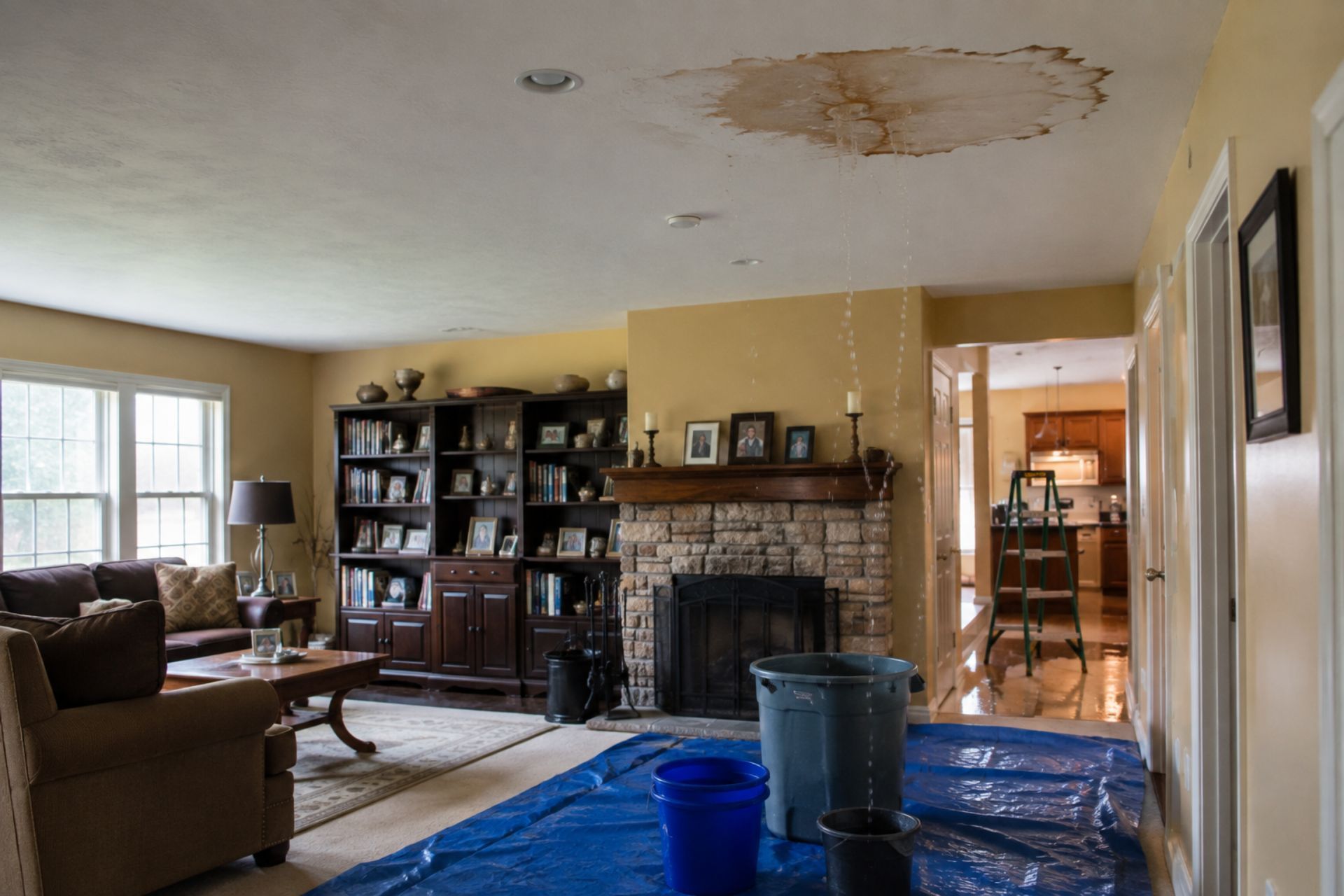

A sudden heavy storm can lead to widespread flooding in Pennsylvania towns, turning safe neighborhoods into areas of high risk overnight. Flood insurance is a tool that provides essential financial protection, yet many state residents continue to grapple with accessing, affording, and understanding available policies. Recent data reveals a notable drop in the number of active policies, while state officials and experts strive to bolster coverage and support for homeowners across the region. For further insights into these critical trends, check out the Pennsylvania Association of Realtors report.
This article explores flood risks in Pennsylvania, the decline of the National Flood Insurance Program (NFIP) policies over the past decade, new state-led initiatives designed to improve insurance affordability and access, and expert opinions on this pressing issue. The coverage is designed for policymakers, homeowners, and even industry professionals seeking detailed information on flood risks, policy trends, and suggestions for improved protection against natural disasters.
Understanding Flood Risks and Insurance Needs
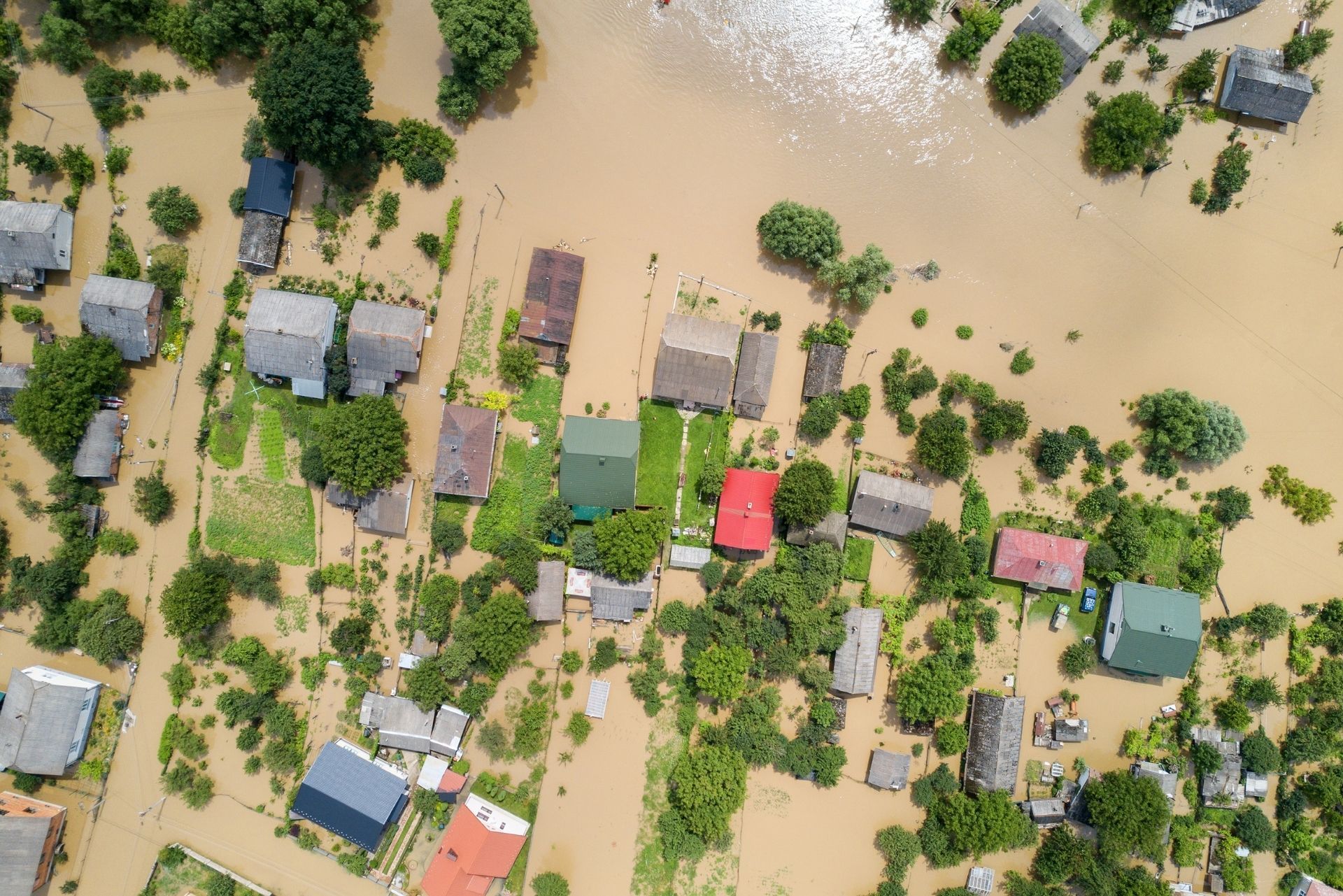
Flooding is one of the leading threats to property in Pennsylvania. With numerous towns situated along riverbanks and in low-lying areas, flooding can have devastating consequences when heavy rains or rapid snowmelt occur. Studies indicate that significant portions of Pennsylvania's population live in flood-prone areas, heightening the importance of solid flood insurance protection.
Recent research from Penn State University highlighted that roughly 6.5% of the state’s population, accounting for about 831,000 residents, reside in flood zones (Penn State University). This statistic underscores the magnitude of flood risk that many Pennsylvanians face. Recognizing this risk is the first step in ensuring that adequate measures, including updated flood insurance policies and mitigation strategies, are considered by both homeowners and government bodies.
Rural communities, in particular, face extended recovery periods after flooding events. As described by Pennsylvania Emergency Management Agency (PEMA) Director Randy Padfield, recovery can be a long and exhausting process, often extending well beyond the immediate aftermath of a flood event.

By: Tyler Reitz
Managing Principal of Bowmans Insurance
The Decline in National Flood Insurance Program Policies
Analysis of insurance trends over the past ten years has revealed a troubling decline in the number of active flood insurance policies. At one point in 2012, Pennsylvania had as many as 69,716 NFIP policies in force. However, by June 2022, this number had dropped to 44,944, marking a substantial decrease (Pennsylvania Association of Realtors).
The reduction in policy uptake raises questions about awareness, affordability, and even public trust regarding flood insurance. This change is concerning because those without insurance face potentially tens of thousands of dollars in losses not covered by homeowners' policies. Experts have warned that flood-related property damage can easily overwhelm a family’s savings, emphasizing the urgent need for more robust and accessible insurance solutions.
These statistics are critical for understanding the broader landscape of flood risk management in Pennsylvania. Insurance industry representatives and state officials point to misperceptions of flood risk and the financial burden of insurance premiums as central challenges that need to be addressed.
Innovative State Initiatives and Policy Recommendations
Recognizing the gaps in insurance coverage and the risks associated with flood damage, Pennsylvania state officials have launched several initiatives to improve access and affordability. Chief among these efforts is the Pennsylvania Flood Insurance Premium Assistance Task Force, which recently finalized a comprehensive report containing actionable recommendations. This report proposes tax credits for flood insurance premiums and offers incentives for local governments to support flood mitigation strategies (Insurance Business America).
Experts like Pennsylvania Insurance Commissioner Michael Humphreys have championed these measures. Humphreys stated, "Floods can cause property damage resulting in tens of thousands of dollars in uncovered losses. These new measures are a first step to ensuring more Pennsylvanians are financially protected against flood losses" (Pennsylvania Insurance Commissioner Michael Humphreys). The emphasis here is on both short-term financial relief through premium assistance and long-term risk reduction by incentivizing local mitigation projects.
One key recommendation from the task force report is the establishment of an Office of Community Rating System Assistance. This office would help local governments manage flood risk information and coordinate state and local efforts to reduce flood damages. Such coordinated action is seen as essential in a state where flood damage claims have totaled over $284 million in damages across nearly 7,580 claims from 2013 to 2023
(Insurance Journal).
Aligning Flood Insurance with Local and State Needs
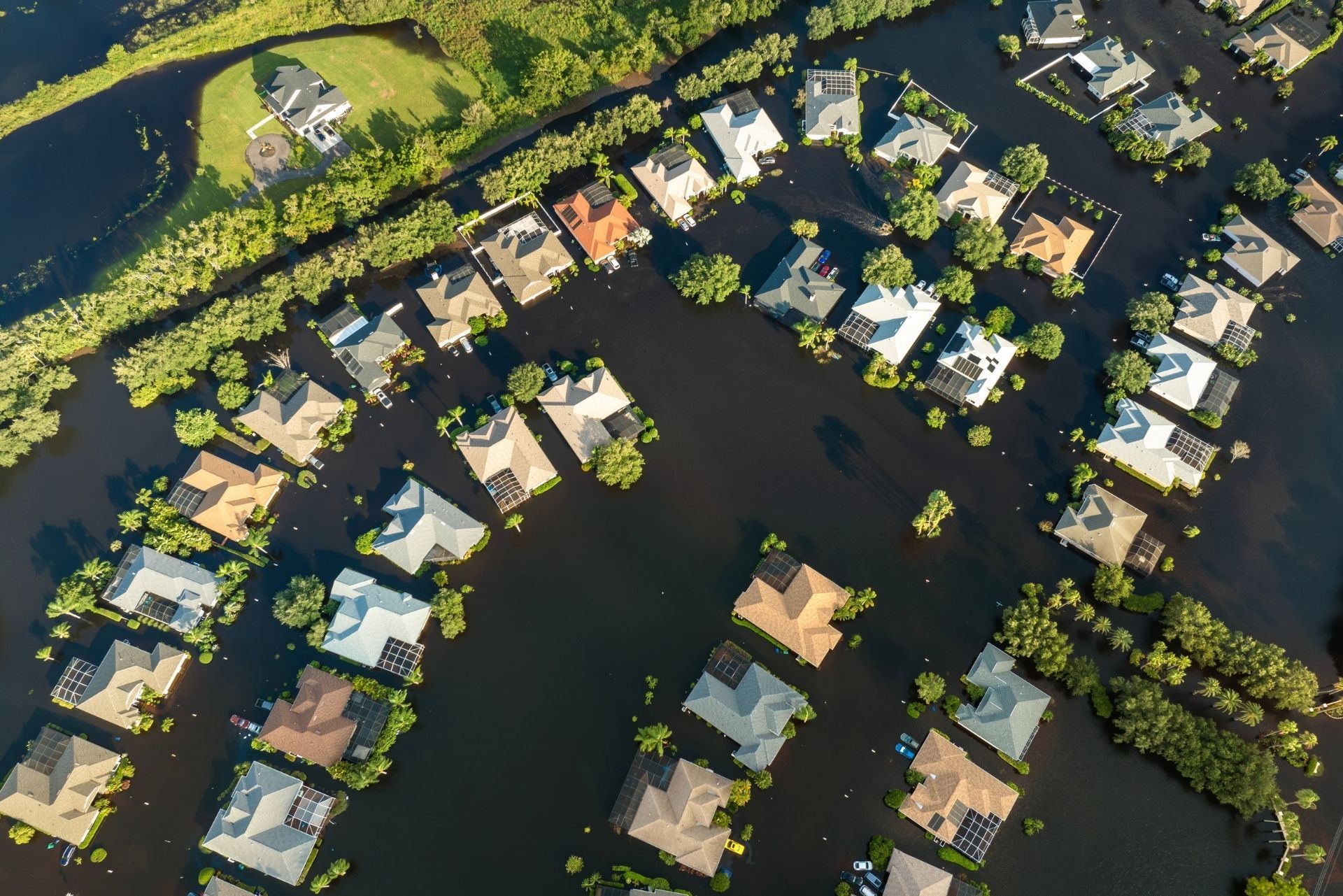
Linking flood insurance to state-level emergency planning is an effort that can significantly improve how communities rebound after severe weather events. Homeowners in communities with high risk may benefit from both improved insurance frameworks and enhanced public safety measures that reduce loss. Local governments often play a pivotal role in flood mitigation, from updating infrastructure resilient to heavy rains to enforcing building codes that consider flood risk.
Initiatives that offer tax credits or premium assistance can ease the financial burden on homeowners, making flood insurance a viable option for more residents. Aligning insurance with broader community risk management strategies is not only an investment in individual properties but also in the overall economic resilience of flood-prone regions. State-funded programs, when combined with local efforts, provide a comprehensive approach to risk management.
These local and state efforts are finding resonance across Pennsylvania as policymakers streamline processes and enhance educational efforts designed to raise awareness about flood risks and the importance of securing flood insurance. Active community involvement is encouraged, creating a dialogue between residents, local governments, and state agencies that can lead to better program design and implementation.
Insights from Insurance and Emergency Management Leaders
Insurance experts and emergency management officials continue to observe the dynamics of flood insurance coverage closely. Speaking about long-term recovery and readiness, PEMA Director Randy Padfield mentioned, "Pennsylvania is one of the most flood-prone states in the nation, and recovery is often a years-long effort" (PEMA Director Randy Padfield). This insight highlights the critical role of flood insurance, not just as an immediate financial safety net, but as part of a broader, sustained recovery strategy.
These leaders emphasize that without proper coverage, homeowners may face a slow, strenuous recovery process marked by significant personal financial risk. Many communities, particularly those in rural areas, continue to experience protracted rebuilding phases after severe weather events. The cost of recovery often extends beyond the immediate physical damage, affecting local economies and individual families alike.
State officials are clear that flood insurance is one of several components necessary for a robust risk management program. Complementary initiatives, such as improved emergency response planning and infrastructure upgrades, are crucial for communities striving for resilience against future flooding events.
Steps for Homeowners to Secure Better Flood Protection
Homeowners are encouraged to review how well their current insurance policies cover flood-related damage. Since standard homeowner policies do not cover flood damage, securing a separate flood insurance policy is essential to protect property and investments. Awareness programs are on the rise, driven by both state efforts and community advocacy, to underscore the value of obtaining adequate flood insurance coverage.
Residents who are uncertain about their flood risk levels should consider contacting local emergency management offices for detailed maps and risk assessments. Education on flood plain maps and past flood events can offer clearer insights into one’s personal risk and motivate action. When risks are better understood, homeowners are more likely to invest in comprehensive coverage that truly meets their needs.
Additionally, financial planning becomes critical in regions prone to flooding. For many homeowners, the receipt of financial assistance or applications for flood insurance premiums may make the difference between being adequately protected and facing devastating losses. State support measures, including the proposed tax credits and premium assistance programs, aim to relieve some of the financial pressures associated with flood insurance acquisition.
Chart: Comparing Insurance Options and Risk Factors
The following table provides a side-by-side comparison of factors that influence flood insurance outcomes. It compares aspects of policy coverage, local risk levels, state support initiatives, and recovery assistance measures, all of which are crucial in evaluating overall protection against flood risks.
| Factor | Description | Impact on Homeowners |
|---|---|---|
| Policy Coverage | Separate flood insurance policies that cover building and content damage due to flooding events | Ensures financial recovery and minimizes out-of-pocket losses; essential for areas where NFIP policies have declined |
| Local Flood Risk | Regions identified as floodplains with high water level fluctuations and risk of severe flooding | Higher premiums; critical need for robust policies and risk mitigation strategies |
| State Assistance Programs | Initiatives such as tax credits for premiums, premium assistance, and community rating systems | Reduces financial burden; increased affordability and accessibility for residents |
| Recovery Assistance Measures | Support for long-term rebuilding and emergency response coordination | Helps minimize economic and personal losses following a flood event |
This structured overview helps homeowners and local officials understand how various insurance components interact. It also guides decision-makers in identifying gaps within current systems and potential improvements for enhanced flood protection.
Addressing the Affordability Issue
Affordability remains a central issue for many homeowners when considering flood insurance. Despite the clear need for comprehensive coverage, many residents are deterred by cost considerations. With fewer active policies in force compared to the peak years, the decline in NFIP policy uptake represents not only a statistical trend, but also a barrier to risk protection for a large part of the population.
Various policy changes and premium assistance programs have been introduced to address these affordability challenges. The task force recommendations, which include tax credits for insurance premiums, are designed to ease the economic strain on homeowners. If implemented effectively, these measures could encourage more residents to invest in flood insurance without overburdening their budgets.
For a homeowner analyzing monthly expenses, even small financial incentives can lead to significant changes over the long term. Improved affordability also ensures that a higher percentage of the community is covered, which in turn contributes to a stronger overall financial safety net during times of crisis.
Community Engagement and Local Mitigation Efforts
Community involvement plays a decisive role in building resilience against flooding. Local governments in Pennsylvania are increasingly encouraged to adopt flood mitigation measures such as updating drainage systems, restoring natural water flow in watersheds, and implementing stricter building codes that take flood risk into account.
Collaboration between state agencies and local municipalities has resulted in initiatives focused on increasing public awareness about flood risks. Campaigns and community workshops help demystify flood insurance, making the topic accessible and enabling residents to become proactive in managing their risk. These efforts are designed to complement state initiatives and bridge the gap between policy recommendations and on-the-ground implementation.
Engagement efforts are spreading steadily as more local leaders recognize that a well-informed community is better prepared to face flood challenges. This approach not only strengthens community bonds but also provides a forum for collective action and shared learning. The overall aim is to reduce the direct impact of flood events, thereby lessening the number of claims and financial strains on state-funded recovery programs.
Homeowner Protection in Light of Changing Federal Support
The discussion surrounding flood insurance has also been influenced by shifts in federal-level involvement. Despite occasional lapses in federal support from the NFIP, Pennsylvania has reiterated its commitment to ensuring that residents retain access to flood insurance coverage. In October 2025, the Pennsylvania Insurance Department reiterated that homeowners are still able to secure flood insurance, even if there are temporary gaps (Pennsylvania Insurance Department).
This reassurance is significant, as it underscores the state's proactive approach to safeguarding its residents. Homeowners benefit from a dual layer of security when both federal and state resources are engaged, even if there are moments when federal support is less robust. Such leadership provides a sense of stability and continuity in an otherwise volatile insurance environment, ensuring that coverage remains uninterrupted during critical times.
Maintaining access to flood insurance is imperative for long-term recovery. A robust safety net prevents families from enduring financial ruin following a flood event and supports quicker community recovery. As state officials continue advocating for expanded flood insurance programs, the focus remains on ensuring that every at-risk area in Pennsylvania is adequately covered.
FAQ Section: Answering Key Questions on Flood Insurance
Q: Why is flood insurance separate from standard homeowner policies?
Flood damage is typically not covered under standard homeowner policies because it involves unique risks. Separate flood insurance ensures that coverage is specifically tailored to combat the extensive damage that floods can cause.
Q: How has the number of active flood insurance policies changed over the years in Pennsylvania?
Data shows that the number of NFIP policies decreased from a high of nearly 70,000 in 2012 to under 45,000 by mid-2022 ().
Q: What measures are being taken to improve the affordability of flood insurance?
State initiatives include tax credits for premium payments and incentives for local governments to manage flood risk. These measures aim to provide financial relief to homeowners while improving overall coverage.
Q: Is flood insurance available even if there is a lapse in federal support?
Yes. Recently, the Pennsylvania Insurance Department confirmed that homeowners can still access flood insurance even during temporary lapses in the NFIP’s support ().
Q: How do community rating systems help improve flood insurance offerings?
Establishing an Office of Community Rating System Assistance helps local governments better coordinate their flood mitigation efforts and align them with state and federal initiatives, leading to improved coverage and support.
Q: What role does local mitigation play in managing flood risk?
Local mitigation efforts, such as drainage improvements and building code updates, are critical in reducing the extent of flood damage and supporting smoother, quicker recoveries in affected communities.
Looking Ahead: The Future of Flood Insurance in Pennsylvania
Future strategies for flood insurance in Pennsylvania are looking into more integrated risk management methods. There is increasing emphasis on not only enhancing policy frameworks but also on encouraging local municipalities to undertake preventive measures. By aligning local and state strategies with federal guidelines, more comprehensive plans have been set in motion to address both the immediate and long-term challenges that floods pose to communities.
Emerging trends suggest that increased state funding and targeted educational campaigns can empower residents with better knowledge about flood risks and the available insurance options. These efforts, championed by leading state officials and insurance experts, are believed to gradually reverse the declining trend of NFIP policies and improve the financial resilience of homeowners across the state.
The approach is multifaceted. From offering premium assistance to establishing community-based support structures, Pennsylvania is working to build a stronger, more accessible flood insurance system. These developments come at a time when the frequency and severity of weather events seem to be on the rise, making robust flood protection more critical than ever.
Wrapping Things Up: Taking Action on Flood Insurance
Flood insurance in Pennsylvania is more than just another policy on file-it is a critical safety net that supports families during one of the most challenging times they may ever experience. With the decline in the number of active NFIP policies, there is an urgent need for homeowners to reassess their coverage options and act before the next major flood event. State initiatives, including recommendations from the Pennsylvania Flood Insurance Premium Assistance Task Force, are key steps toward making coverage more affordable and accessible.
Policy recommendations such as premium tax credits and local mitigation support are designed to encourage homeowners to invest in flood insurance, thereby providing long-term financial security. The integration of state, local, and federal efforts ensures that homeowners are not left vulnerable when nature strikes. Leaders in the field stress that flood insurance is vital, not only to cover immediate damages but to support a resilient and timely recovery process.
While many of the details around future policies may still be in development, the commitment of state officials to safeguard residents is unwavering. Residents and community leaders alike are encouraged to participate in local discussions, stay informed about policy updates, and make flood insurance a priority in their overall risk management strategy. As Pennsylvania continues to evolve its approach to natural disaster preparedness, ensuring access to robust flood insurance coverage remains a cornerstone of community resilience.
For more detailed insights and updates on flood insurance trends and state policy developments, interested readers can refer to additional state announcements and expert commentary as new data becomes available.
Final Thoughts
Flood insurance remains a critical component of risk management for any homeowner in flood-prone areas. Pennsylvania's evolving approach to flood protection demonstrates both the challenges and opportunities in addressing a complex problem with lasting financial and community consequences. With initiatives aimed at expanding coverage, enhancing local risk mitigation, and supporting homeowners through premium assistance, the road ahead is paved with cautious optimism.
The significant drop in policies over the past decade, coupled with a high concentration of residents living in flood-sensitive areas, underscores the need for clear, accessible, and affordable flood protection options. Thoughtful policy measures, community engagement initiatives, and ongoing state support are all vital in ensuring that Pennsylvania is better prepared for the future.
Homeowners are encouraged to review their current insurance arrangements, take advantage of new state programs, and remain proactive in mitigating flood risks. Preparedness today can mean the difference between resilience and financial hardship tomorrow.
Continuing developments in flood insurance policies and the dedicated efforts of state leaders offer hope to communities facing repeated flood risks. By staying informed and engaged, Pennsylvania residents can ensure that they have the necessary tools to mitigate damage and recover swiftly as challenges arise.
ABOUT THE AUTHOR:
TYLER REITZ, CIC, CPCU, ARM, AU
As Managing Principal of Bowmans Insurance, I’m passionate about helping businesses and individuals protect what matters most with clarity and confidence. With advanced designations including CIC, CPCU, ARM, and AU, I bring a comprehensive approach to risk management—ensuring every client receives strategic, reliable, and personalized coverage.
Contact Us
Why Work With Us?
Why Choose Bowman Insurance Group for Flood Insurance?


Choice and Transparency
Bowman Insurance Group works for you, not the insurance providers. We offer a wide selection of policies from reputable insurers, giving you options that suit your unique needs. We prioritize clarity and honesty, ensuring you understand each policy’s benefits and limitations.


Your Personal Advocate
Our team is committed to more than policy sales—we’re here to serve as your advocate. We balance your coverage needs with affordability, working to provide you with the best value without compromise. Every decision we support is made with your best interests in mind.


Expert Guidance for Life
Insurance can feel complex, but we’re here to make it simple. With years of experience, our advisors explain policies clearly and keep you informed of relevant changes. You’ll receive consistent support from trusted professionals who understand your needs and are dedicated to helping you make informed choices.
About Bowman's Insurance Group
Over 100 years Delivering Exceptional Service to Our Community
Personal Insurance Coverage in Pennsylvania
Personal Insurance Solutions in Pennsylvania
Home
Insurance
Auto
Insurance
Umbrella
Insurance
Condo
Insurance
Boat
Insurance
Motorcycle Insurance
RV
Insurance
ATV
Insurance
Insurance Client Reviews
Read our customer reviews


40+
Insurance Partners
98%
Client Retention Rate
100
Years in Business
98%
Satisfaction Rate
Process of Working With A
Personal Insurance Agent in Pennsylvania

Step 1: Initial Assessment
Our process begins with a comprehensive review of your personal insurance needs. We’ll assess factors like your lifestyle, family needs, and assets, so you get the coverage that best suits your unique situation.
Step 2: Customized Consultation
Meet with our knowledgeable agents one-on-one to discuss options tailored to your requirements. We aim to clarify your choices and recommend the most suitable coverage, considering both quality and affordability.
Step 3: Policy Selection & Activation
Once we identify the right coverage, we’ll handle the paperwork and activate your policy. Our team ensures a smooth, straightforward process, giving you confidence and peace of mind in your coverage.
Our Experts
Meet Our Team of Professional Insurance Experts
Tyler Reitz CIC, CPCU, ARM, AU
President
Carmen Donachy, CISR
Treasurer and Customer Service Rep
Brian Brassell, CSA, CRPC
Investment Advisor Representative, Director of Financial Services Division
Kassie Swope, CIC, CISR, AINS
Commercial Department Manager
Our News & Blogs
Latest insurance news & blogs