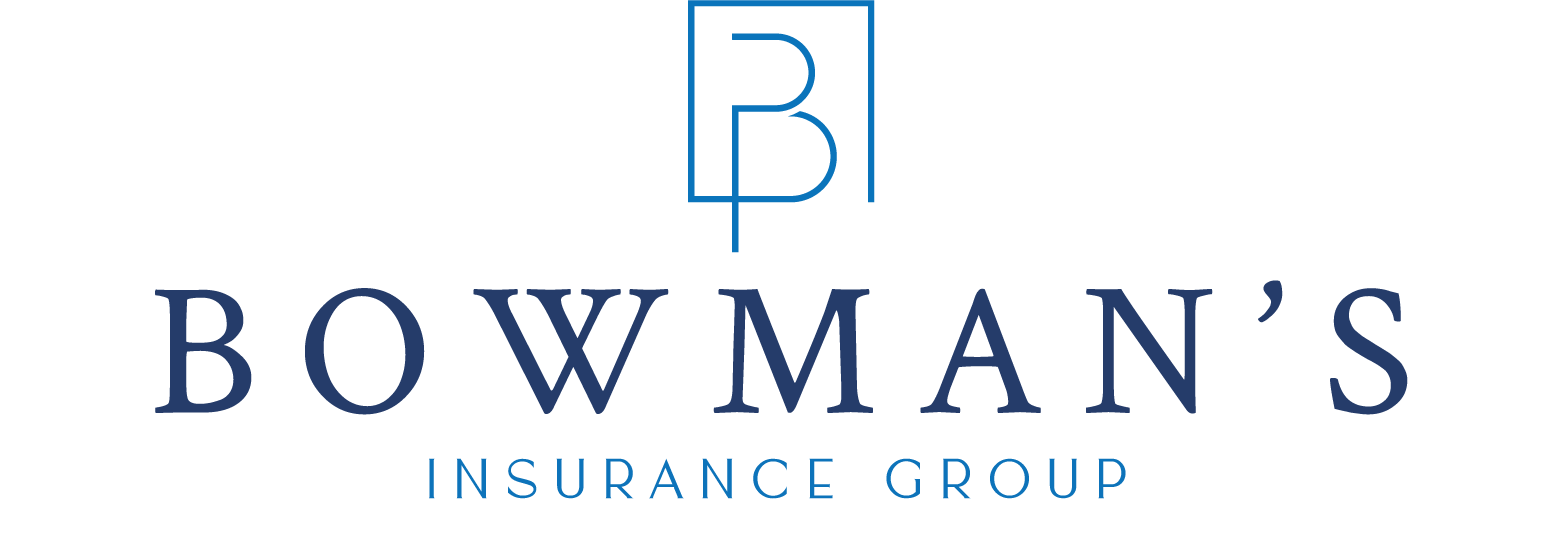

A contractor in Scranton lost $47,000 last winter after a plow truck slid into a client's retaining wall during an ice storm. His
personal auto policy denied the claim because the vehicle was being used for commercial purposes. That single incident nearly ended his business. Stories like this are common across Pennsylvania, where unpredictable winters and heavy snowfall create real financial exposure for snow removal operators. If you run a snowplow or snow removal business in PA, the right insurance coverage isn't optional: it's the difference between surviving a bad season and closing your doors. Understanding the costs, coverage types, and state-specific requirements for Pennsylvania snowplow and
snow removal insurance will help you make smart decisions before the first flake falls.
Essential Insurance for Pennsylvania Snowplow Businesses
Running a snow removal operation in Pennsylvania means dealing with frozen surfaces, limited visibility, and tight deadlines. Every one of those conditions increases your risk of a costly claim. The insurance policies you carry need to reflect the specific hazards of this work, not just generic contractor coverage. Three types of insurance form the foundation for any PA snowplow business.
General Liability for Property Damage
General liability insurance covers third-party bodily injury and property damage claims. For snowplow operators, this is the policy that responds when your work causes damage to someone else's property or when a person slips on a lot you were responsible for clearing. Think cracked driveways, damaged landscaping, or a customer who falls on ice in an area you plowed hours earlier.
Pennsylvania courts have consistently held snow removal contractors liable for negligence. A court ruling involving a slip-and-fall on a commercially maintained lot reinforced that contractors can be held responsible even after the initial plowing is complete if ice reforms in areas they treated. Median general liability costs for snow removal contractors run about $132 per month, though your actual premium depends on revenue, claims history, and the types of properties you service.
One common mistake is assuming your general liability policy automatically covers pollution-related claims. Salt and chemical de-icers can contaminate groundwater and storm drains. If your operations cause environmental damage, a standard GL policy likely won't cover it. Contractors handling large commercial properties may need a separate pollution liability policy to fill that gap.
Commercial Auto and Snowplow Endorsements
Your personal auto policy will not cover a vehicle used for commercial snow removal. Full stop. You need a commercial auto policy, and in most cases, you'll also need a specific snowplow endorsement or rider attached to it.
A snowplow endorsement extends coverage to the plow equipment mounted on your truck and to damage caused by the plow itself. Without it, if your blade catches a manhole cover and launches it into a parked car, you could be paying out of pocket. Commercial auto premiums for snow removal operators typically start around $150 to $250 per month for a single truck, with the snowplow endorsement adding $200 to $500 annually depending on the insurer and your equipment value.
Make sure your policy includes hired and non-owned auto coverage if you ever use subcontractors or rent additional vehicles during heavy storms. This is a coverage gap that catches many small operators off guard.
Workers' Compensation Requirements in PA
Pennsylvania law requires workers' compensation insurance for nearly all employers, including seasonal businesses. If you have even one employee, you need a workers' comp policy. The penalties for operating without one are severe: fines up to $2,500 per day and potential criminal charges.
Snow removal is physically demanding and dangerous. Frostbite, back injuries from shoveling, and vehicle accidents are common claims. Workers' comp covers medical expenses and lost wages for injured employees, and it protects you from personal lawsuits related to workplace injuries. PA law also
requires property owners and contractors to clear snow and ice within a reasonable time after a storm, which means your crews are often working in the worst conditions at the worst hours. That increases injury risk significantly.

By: Tyler Reitz
Managing Principal of Bowmans Insurance
Not every snowplow business pays the same rates. Insurers look at a range of variables when pricing your policy, and understanding these factors gives you some control over your costs.
Residential vs. Commercial Contracts
The type of work you do has a direct impact on your premiums. Residential driveways and sidewalks carry lower liability exposure than large commercial parking lots, hospital campuses, or municipal roads. A contractor clearing 50 driveways in a suburb faces different risks than one maintaining a 200-space shopping center lot where hundreds of people walk daily.
Commercial contracts often require higher liability limits, sometimes $1 million or $2 million per occurrence, with an umbrella policy on top. That translates to higher premiums. On the other hand, commercial work is more profitable per contract, so the insurance cost is usually proportional to revenue. If you're bidding on a $75,000 seasonal commercial contract, expect to budget 3% to 5% of that revenue toward insurance costs.
Equipment Type and Value
A single pickup truck with a front-mounted blade costs far less to insure than a fleet of three trucks plus a skid steer and a salt spreader. Insurers assess the replacement value of your equipment, the age and condition of your vehicles, and whether you own or lease them.
Newer trucks with higher values mean higher premiums, but they also tend to have better safety features that can earn small discounts. Specialized equipment like loaders or dedicated salt trucks may need inland marine coverage or an
equipment floater, which is a separate policy covering mobile equipment that isn't always included under commercial auto.
Comparing Coverage Levels and Costs
Choosing the right coverage level depends on your operation's size, your contracts, and your risk tolerance. Here's a side-by-side look at what different tiers typically include.
Coverage Comparison Table
| Coverage Feature | Basic | Standard | Premium |
|---|---|---|---|
| General Liability Limit | $500,000 per occurrence | $1,000,000 per occurrence | $2,000,000 per occurrence |
| Commercial Auto | Single vehicle, liability only | Single vehicle, full coverage | Multi-vehicle, full coverage |
| Snowplow Endorsement | Not included | Included | Included |
| Workers' Comp | Not included | Included (1-3 employees) | Included (4+ employees) |
| Equipment/Inland Marine | Not included | Optional add-on | Included up to $50,000 |
| Umbrella Policy | Not included | Not included | $1,000,000 umbrella |
| Estimated Monthly Cost | $150 - $250 | $400 - $700 | $900 - $1,500+ |
The basic tier works for a solo operator with a single truck doing residential driveways. If you're handling commercial contracts or employing a crew, the standard tier is the minimum you should consider. Operators bidding on municipal or institutional work almost always need premium-level coverage to meet contract requirements. Snow removal insurance costs in Pennsylvania vary widely based on these factors, so get quotes from at least three insurers before committing.
Common Questions About PA Snowplow Insurance
FAQ: Do I need a separate policy if I already have personal car insurance?
Yes. Personal auto policies exclude commercial use. If you're plowing for pay, your personal insurer will deny any related claim. You need a commercial auto policy with a snowplow endorsement.
FAQ: How much does a basic policy cost in Pennsylvania?
A solo operator with one truck can expect to pay roughly $150 to $250 per month for general liability and commercial auto combined. Adding workers' comp, higher limits, or additional vehicles increases that figure.
FAQ: Does insurance cover the plow blade itself?
Only if you have a snowplow endorsement or an equipment floater. Standard commercial auto policies cover the truck but not attached equipment like blades, salt spreaders, or hydraulic systems.
FAQ: What happens if I hit a hidden object under the snow?
This is one of the most common claims in the industry. If your plow strikes a hidden curb, fire hydrant, or sprinkler head, your commercial auto policy with a snowplow endorsement should cover the resulting damage. Without that endorsement, you're likely paying for repairs yourself.
FAQ: Can I get a seasonal policy for just the winter months?
Some insurers offer seasonal policies or allow you to adjust coverage periods. This can save money if you only operate from November through March. However, be careful: claims from completed operations, like a slip-and-fall in April on a lot you treated in February, can still come in after your seasonal policy expires. Make sure your general liability includes completed operations coverage that extends beyond the active season.
Protecting Your Business This Winter
Pennsylvania's winters aren't getting any milder, and the liability exposure for snow removal contractors continues to grow as courts hold operators to higher standards. The right insurance package protects your trucks, your crew, and your ability to keep operating after a bad claim.
Start by assessing your actual risk. Count your vehicles, list your contracts, and note whether you're doing residential or commercial work. Then talk to an agent who specializes in contractor insurance, not a generalist who sells mostly homeowners and auto policies. A specialist will know the difference between an equipment floater and an inland marine policy, and they'll understand why environmental liability coverage matters for operators using chemical de-icers.
Get your coverage locked in before the season starts. Waiting until December means higher premiums, fewer options, and the very real possibility of operating uninsured during your first storm. Your next step is simple: request quotes from at least three insurers this week, compare the coverage tables side by side, and choose the policy that matches your operation's real risk profile.
ABOUT THE AUTHOR:
TYLER REITZ, CIC, CPCU, ARM, AU
As Managing Principal of Bowmans Insurance, I’m passionate about helping businesses and individuals protect what matters most with clarity and confidence. With advanced designations including CIC, CPCU, ARM, and AU, I bring a comprehensive approach to risk management—ensuring every client receives strategic, reliable, and personalized coverage.
Contact Us
Why Work With Us?
Why Choose Bowman Insurance Group for Personal Insurance?


Choice and Transparency
Bowman Insurance Group works for you, not the insurance providers. We offer a wide selection of policies from reputable insurers, giving you options that suit your unique needs. We prioritize clarity and honesty, ensuring you understand each policy’s benefits and limitations.


Your Personal Advocate
Our team is committed to more than policy sales—we’re here to serve as your advocate. We balance your coverage needs with affordability, working to provide you with the best value without compromise. Every decision we support is made with your best interests in mind.


Expert Guidance for Life
Insurance can feel complex, but we’re here to make it simple. With years of experience, our advisors explain policies clearly and keep you informed of relevant changes. You’ll receive consistent support from trusted professionals who understand your needs and are dedicated to helping you make informed choices.
About Bowman's Insurance Group
Over 100 years Delivering Exceptional Service to Our Community
Personal Insurance Coverage in Pennsylvania
Personal Insurance Solutions in Pennsylvania
Home
Insurance
Auto
Insurance
Umbrella
Insurance
Condo
Insurance
Boat
Insurance
Motorcycle Insurance
RV
Insurance
ATV
Insurance
Insurance Client Reviews
Read our
customer reviews


40+
Insurance Partners
98%
Client Retention Rate
100
Years in Business
98%
Satisfaction Rate
Process of Working With A Personal Insurance Agent in Pennsylvania

Step 1: Initial Assessment
Our process begins with a comprehensive review of your personal insurance needs. We’ll assess factors like your lifestyle, family needs, and assets, so you get the coverage that best suits your unique situation.
Step 2: Customized Consultation
Meet with our knowledgeable agents one-on-one to discuss options tailored to your requirements. We aim to clarify your choices and recommend the most suitable coverage, considering both quality and affordability.
Step 3: Policy Selection & Activation
Once we identify the right coverage, we’ll handle the paperwork and activate your policy. Our team ensures a smooth, straightforward process, giving you confidence and peace of mind in your coverage.
Our Experts
Meet Our Team of Professional Insurance Experts
Tyler Reitz CIC, CPCU, ARM, AU
President
Carmen Donachy, CISR
Treasurer and Customer Service Rep
Brian Brassell, CSA, CRPC
Investment Advisor Representative, Director of Financial Services Division
Kassie Swope, CIC, CISR, AINS
Commercial Department Manager
Our News & Blogs
Latest insurance news & blogs