Pennsylvania Surety and Contractor Bond

See How We're Different:
Call Us: 717-838-5464
Every year, Pennsylvania contractors lose projects worth hundreds of thousands of dollars because they can't secure proper bonding. A general contractor in Pittsburgh recently watched a $2.3 million school renovation contract go to a competitor simply because his bonding capacity fell short. Whether you're bidding on municipal work in Philadelphia or handling residential renovations in Allentown, understanding Pennsylvania surety and contractor bond requirements isn't optional: it's essential for business survival and growth.
Surety bonds function as your financial handshake with project owners, government agencies, and homeowners across the Commonwealth. They're not insurance policies that protect you. Instead, they guarantee your performance and protect everyone else involved in your projects. Pennsylvania's bonding landscape includes specific requirements for public works, home improvement contractors, and various municipal jurisdictions that differ from neighboring states.
This
Pennsylvania surety and contractor bond insurance coverage guide breaks down everything you need to know about securing, maintaining, and managing bonds throughout your contracting career. From understanding the three-party agreement structure to navigating Philadelphia's unique requirements, you'll find practical information that applies directly to your business operations.
Fundamentals of Surety Bonds in Pennsylvania
Surety bonds create a legally binding relationship that protects project owners from contractor default. Unlike bank loans or insurance policies, these instruments require a contractor to demonstrate financial stability and professional capability before a surety company will back their work.
How the Three-Party Agreement Protects Project Owners
Three distinct parties make every surety bond work. The principal is you, the contractor, who purchases the bond and promises to fulfill contractual obligations. The obligee is the project owner, government entity, or homeowner who requires the bond as protection. The surety company guarantees your performance and pays claims if you default.
Here's where contractors often get confused: if the surety pays a claim, you're still on the hook. The surety will come after you for reimbursement through a process called indemnification. You personally guarantee repayment when you sign the bond application, which typically includes your spouse if you're married. This arrangement makes the surety a guarantor of your work, not an insurer against your mistakes.
Surety Bonds vs. Traditional Insurance Policies
| Feature | Surety Bonds | Insurance Policies |
|---|---|---|
| Who is protected | Third parties (project owners) | The policyholder |
| Claims expectation | Zero claims expected | Claims anticipated and priced in |
| Reimbursement | Contractor must repay surety | No reimbursement required |
| Underwriting focus | Contractor's ability to perform | Risk of loss occurring |
| Premium basis | Bond amount and contractor qualifications | Expected loss ratios |
Insurance spreads risk across many policyholders, expecting some claims. Surety underwriting assumes you'll complete every project successfully. When a surety approves your bond, they're betting on your competence, not pricing in your potential failure.


By: Tyler Reitz
Managing Principal of Bowmans Insurance
Essential Contractor Bonds for PA Construction Projects
Pennsylvania public works projects and many private developments require specific bond types at different project stages. Understanding each bond's purpose helps you budget appropriately and maintain adequate bonding capacity.
Bid Bonds and the Competitive Tendering Process
Bid bonds guarantee you'll honor your proposal if selected for a project. Pennsylvania's Separations Act requires separate prime contracts for general construction, HVAC, plumbing, and electrical work on public projects exceeding $25,000. Each prime contractor typically needs their own bid bond.
Most bid bonds equal 10% of your bid amount, though some municipalities require 5% or set specific dollar thresholds. The bond protects the project owner if you withdraw your bid or can't provide required performance and payment bonds after winning. Damages typically equal the difference between your bid and the next lowest qualified bidder.
Performance and Payment Bonds for Public Works
Performance bonds guarantee you'll complete the project according to contract specifications. Payment bonds ensure you'll pay subcontractors, suppliers, and laborers. Pennsylvania's Public Works Contractors' Bond Law requires both bonds on state-funded projects exceeding $10,000.
Bond amounts typically match 100% of the contract price for each bond type. On a $500,000 school addition, you'd need a $500,000 performance bond and a $500,000 payment bond. These bonds protect taxpayers from abandoned projects and protect workers and suppliers from non-payment on public jobs where mechanic's lien rights don't apply.
Maintenance Bonds and Warranty Periods
Maintenance bonds extend your guarantee beyond project completion, typically covering workmanship defects for one to two years. Pennsylvania project owners increasingly require these bonds on infrastructure work, roofing projects, and specialized installations.
The bond amount usually ranges from 10% to 25% of the original contract value. If defects appear during the warranty period and you don't make repairs, the surety steps in to remedy the situation and seeks reimbursement from you.
Pennsylvania Licensing and Permit Bond Requirements
Beyond project-specific bonds, Pennsylvania requires certain contractor license bonds to operate legally. These bonds protect consumers and ensure contractors meet minimum financial responsibility standards.
Home Improvement Contractor (HIC) Registration
Pennsylvania's Home Improvement Consumer Protection Act requires registration with the Attorney General's office for contractors performing residential work exceeding $500. While the state doesn't mandate a surety bond for basic HIC registration, you must demonstrate financial responsibility through various means.
Contractors who've had judgments entered against them or previous registration revocations may need to post a surety bond ranging from $10,000 to $50,000 as a condition of registration. The bond protects homeowners from contractor fraud, abandonment, or failure to complete work as specified.
Municipal and City-Specific Bonding Mandates
Philadelphia requires contractors to obtain a Commercial Activity License and may require bonds for specific work types. The city's requirements differ substantially from state minimums, particularly for demolition, excavation, and utility work.
Other Pennsylvania municipalities maintain their own bonding requirements:
- Pittsburgh requires contractor registration and may mandate bonds for certain permit types
- Allentown has specific bonding requirements for work in public rights-of-way
- Many townships require road opening bonds before approving utility installations
Check with local building departments before bidding projects outside your usual territory. A bond that satisfies state requirements might fall short of municipal mandates.
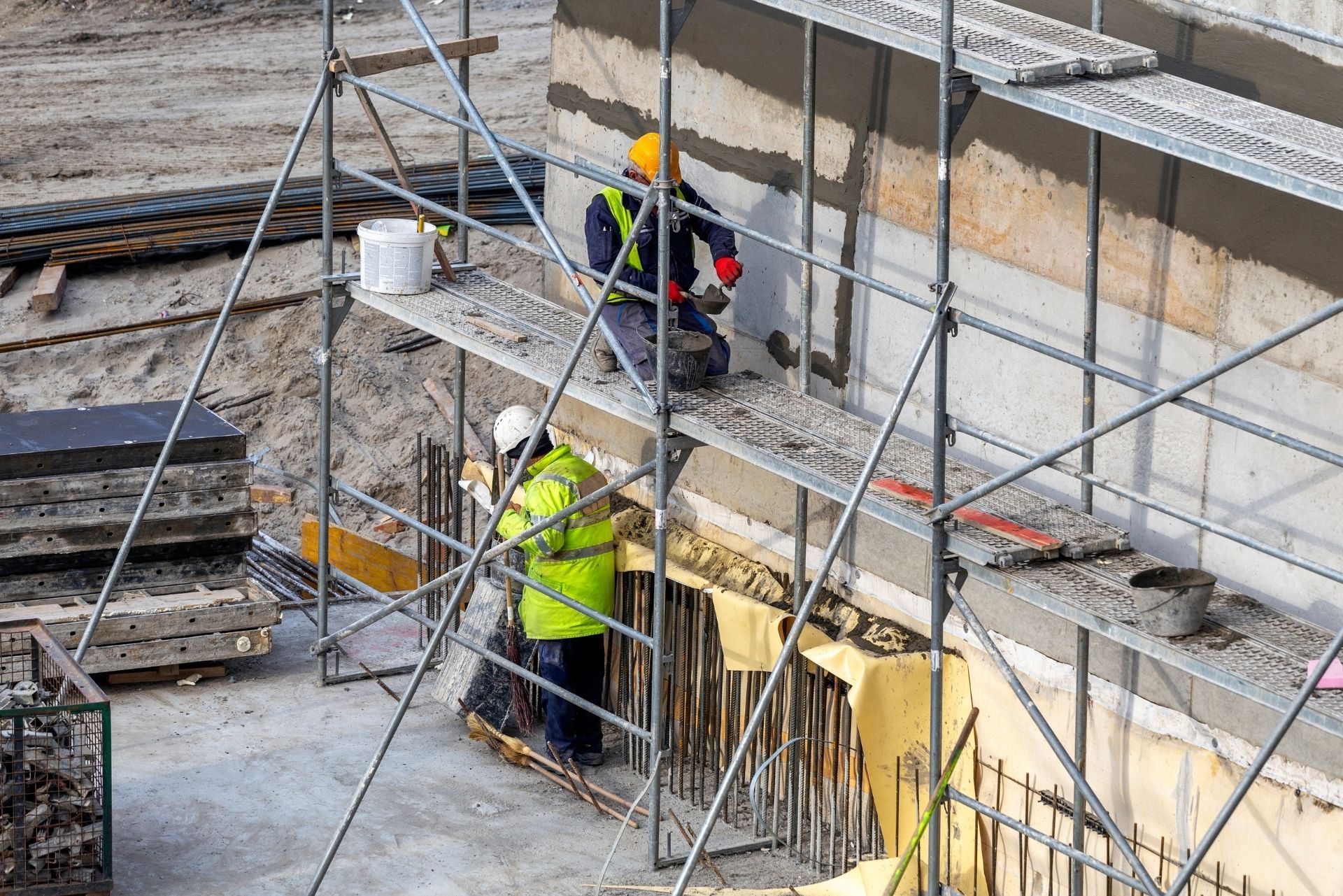
Bond premiums vary dramatically based on your financial profile, project characteristics, and the surety market's current appetite for risk. Understanding these factors helps you improve your bondability and reduce costs over time.
Credit Scores and Financial Statement Analysis
Your personal credit score heavily influences bond premiums, especially for bonds under $400,000. Sureties view credit history as an indicator of financial responsibility and business management capability.
| Credit Score Range | Typical Premium Rate |
|---|---|
| 700+ | 1% - 2.5% of bond amount |
| 650 - 699 | 2.5% - 4% of bond amount |
| 600 - 649 | 4% - 8% of bond amount |
| Below 600 | 8% - 15% or declined |
For larger bonds, sureties require CPA-prepared financial statements. Reviewed statements suffice for bonding programs up to $500,000, while audited statements become necessary for larger programs. Your working capital, debt-to-equity ratio, and profitability trends all factor into underwriting decisions.
The Impact of Project Size and Industry Experience
Sureties evaluate your largest completed project when determining your single-job and aggregate bonding limits. If your biggest completed contract was $750,000, getting approved for a $2 million project requires additional documentation and possibly higher premiums.
Industry experience matters significantly. A contractor with fifteen years of successful school construction gets better terms than someone transitioning from residential to commercial work. Sureties want evidence you've handled similar projects without claims or completion problems.
The Application and Approval Process
Securing bonding requires preparation and the right professional relationships. Starting this process before you need bonds prevents last-minute scrambles that cost you projects.
Documentation Needed for Prequalification
Gather these materials before approaching surety agents:
- Three years of business and personal tax returns
- Current fiscal year interim financial statements
- Personal financial statements for all owners with 10%+ ownership
- Bank reference letters and credit line documentation
- Work-in-progress schedules showing current projects
- Completed project list with owner contact information
- Organizational documents and contractor licenses
Having organized documentation demonstrates professionalism and speeds approval. Sureties appreciate contractors who understand the process and come prepared.
Working with a Pennsylvania-Licensed Surety Agent
Independent surety agents represent multiple surety companies and can shop your account for the best terms. They understand Pennsylvania's specific requirements and can guide you toward sureties that fit your contractor profile.
Look for agents with Construction Surety Specialist designations or significant experience with contractors in your trade. A good agent becomes a business advisor who helps you grow your bonding capacity over time, not just someone who processes paperwork.
Managing Claims and Maintaining Compliance
Bond claims threaten your ability to secure future bonding and can result in personal financial liability. Proactive management prevents most claim situations before they escalate.
Communication solves most potential claims. When project problems arise, contact your surety agent immediately. Sureties prefer helping you resolve disputes over paying claims. They might assist with mediation, provide technical resources, or help negotiate with unhappy project owners.
Maintain accurate project records, including daily logs, correspondence, change order documentation, and payment records. These records become critical if disputes arise months or years after project completion. Payment bond claims from unpaid suppliers can surface long after you've moved on to other work.
Frequently Asked Questions
How long does bond approval take in Pennsylvania? Standard bonds often get approved within 24-48 hours. Larger contract bonds requiring financial review may take one to two weeks. Build this timeline into your bid preparation schedule.
Can I get bonded with a bankruptcy on my record? Yes, though options are limited and premiums higher. Most sureties require at least two years post-discharge with clean credit rebuilding before considering applications.
Do I need separate bonds for each Pennsylvania municipality? Generally no. State-level license bonds satisfy most requirements, but verify with local building departments. Some municipalities require additional bonds for specific permit types.
What happens if my surety company goes out of business? Pennsylvania's Insurance Department regulates sureties. If your surety becomes insolvent, you'll need replacement bonds from another company. Work with established, A-rated sureties to minimize this risk.
How do I increase my bonding capacity? Strengthen your balance sheet by retaining profits, maintain excellent credit, complete projects successfully, and build relationships with your surety agent. Capacity increases come from demonstrated performance over time.
Pennsylvania's bonding requirements exist to protect everyone involved in construction projects, including you. Strong bonding capacity opens doors to larger, more profitable work while demonstrating your financial stability to project owners.
Start by organizing your financial documentation and connecting with a Pennsylvania-licensed surety agent who understands your trade. Build that relationship before you need emergency bond approval for a must-win project. Your bonding capacity grows alongside your business when you approach it strategically rather than reactively.
ABOUT THE AUTHOR:
TYLER REITZ, CIC, CPCU, ARM, AU
As Managing Principal of Bowmans Insurance, I’m passionate about helping businesses and individuals protect what matters most with clarity and confidence. With advanced designations including CIC, CPCU, ARM, and AU, I bring a comprehensive approach to risk management—ensuring every client receives strategic, reliable, and personalized coverage.
Contact Us
Why Work With Us?
Why Choose Bowman Insurance Group for Personal Insurance?


Choice and Transparency
Bowman Insurance Group works for you, not the insurance providers. We offer a wide selection of policies from reputable insurers, giving you options that suit your unique needs. We prioritize clarity and honesty, ensuring you understand each policy’s benefits and limitations.


Your Personal Advocate
Our team is committed to more than policy sales—we’re here to serve as your advocate. We balance your coverage needs with affordability, working to provide you with the best value without compromise. Every decision we support is made with your best interests in mind.


Expert Guidance for Life
Insurance can feel complex, but we’re here to make it simple. With years of experience, our advisors explain policies clearly and keep you informed of relevant changes. You’ll receive consistent support from trusted professionals who understand your needs and are dedicated to helping you make informed choices.
About Bowman's Insurance Group
Over 100 years Delivering Exceptional Service to Our Community
Personal Insurance Coverage in Pennsylvania
Personal Insurance Solutions in Pennsylvania
Home
Insurance
Auto
Insurance
Umbrella
Insurance
Condo
Insurance
Boat
Insurance
Motorcycle Insurance
RV
Insurance
ATV
Insurance
Insurance Client Reviews
Read our
customer reviews


40+
Insurance Partners
98%
Client Retention Rate
100
Years in Business
98%
Satisfaction Rate
Process of Working With A Personal Insurance Agent in Pennsylvania

Step 1: Initial Assessment
Our process begins with a comprehensive review of your personal insurance needs. We’ll assess factors like your lifestyle, family needs, and assets, so you get the coverage that best suits your unique situation.
Step 2: Customized Consultation
Meet with our knowledgeable agents one-on-one to discuss options tailored to your requirements. We aim to clarify your choices and recommend the most suitable coverage, considering both quality and affordability.
Step 3: Policy Selection & Activation
Once we identify the right coverage, we’ll handle the paperwork and activate your policy. Our team ensures a smooth, straightforward process, giving you confidence and peace of mind in your coverage.
Our Experts
Meet Our Team of Professional Insurance Experts
Tyler Reitz CIC, CPCU, ARM, AU
President
Carmen Donachy, CISR
Treasurer and Customer Service Rep
Brian Brassell, CSA, CRPC
Investment Advisor Representative, Director of Financial Services Division
Kassie Swope, CIC, CISR, AINS
Commercial Department Manager
Our News & Blogs
Latest insurance news & blogs