Pennsylvania
Warehouse & Storage Insurance

See How We're Different:
Call Us: 717-838-5464
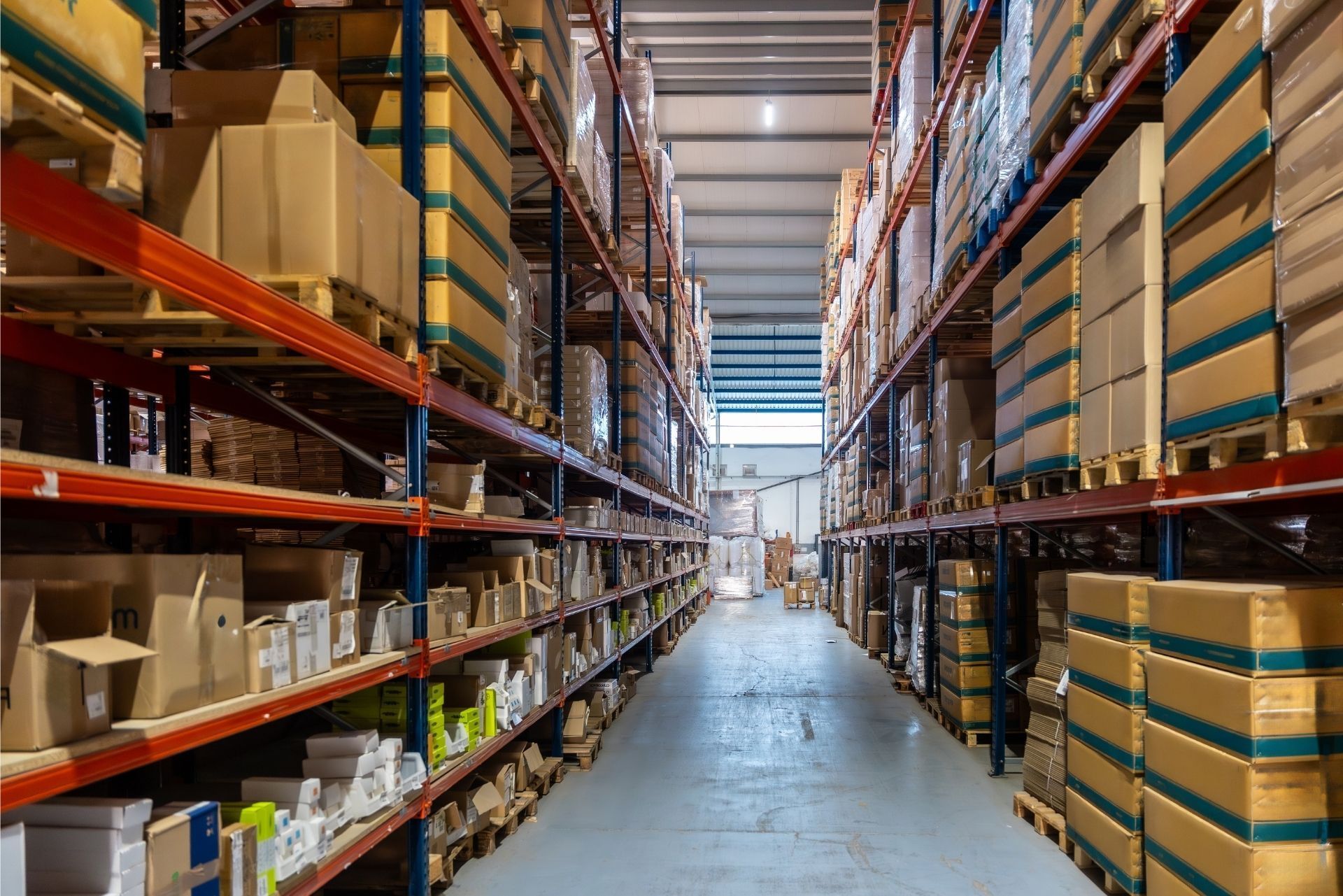
A distribution center manager in Allentown gets a call on a Tuesday morning: a forklift operator punctured a client's $180,000 pallet of pharmaceutical supplies, and the building's sprinkler system triggered a cascade of water damage across three adjacent storage bays. Total loss estimate? North of $400,000. Without the right insurance structure, that single incident could threaten the entire operation. Pennsylvania's warehousing sector handles billions of dollars in goods every year, from cold-chain food products moving through the Lehigh Valley to high-value electronics staged near Philadelphia's port terminals. The risks are real, varied, and often misunderstood. This Pennsylvania warehouse and storage facility insurance coverage guide breaks down what you actually need, what you can skip, and where most operators get burned by gaps they didn't know existed. Whether you run a 10,000-square-foot self-storage facility outside Pittsburgh or a 500,000-square-foot third-party logistics hub near Harrisburg, your coverage portfolio has to match your specific exposure profile. Getting that wrong costs far more than the premiums you're trying to save.
Core Insurance Requirements for Pennsylvania Warehousing
Pennsylvania doesn't have a single warehouse licensing statute that dictates exact insurance minimums, but a patchwork of state laws, municipal codes, and contractual obligations creates a clear baseline. Most landlords, lenders, and clients will require proof of coverage before you store a single pallet.
General Liability and Property Protection
Commercial general liability (CGL) is your foundation. It covers third-party bodily injury and property damage claims, like a delivery driver slipping on your loading dock or a visitor getting struck by equipment. Most Pennsylvania warehouse operators carry $1 million per occurrence with a $2 million aggregate, though contracts with large retailers or manufacturers often demand higher limits.
Property insurance protects the building itself (if you own it), plus your business equipment, racking systems, and office contents. Pay close attention to your valuation method. Replacement cost coverage pays to rebuild or replace at current prices, while actual cash value deducts depreciation, which can leave you tens of thousands short after a fire. If you lease your space, your landlord's policy won't cover your equipment or improvements. You need your own property coverage for tenant improvements, conveyor systems, and anything you've installed.
Pennsylvania Workers' Compensation Mandates
Pennsylvania law requires workers' compensation for nearly every employee, with very few exceptions. The Pennsylvania Workers' Compensation Act (Act 44) imposes penalties on employers who fail to carry coverage, including criminal charges for intentional non-compliance. Warehouse work carries elevated injury rates due to heavy lifting, forklift traffic, and repetitive motion. Your experience modification rate (EMR) directly affects your premium. An EMR above 1.0 means you're paying more than the industry average, while a rate below 1.0 earns you discounts. Investing in safety training and return-to-work programs can push that number down over time.
Warehouse Legal Liability vs. Bailee's Coverage
This is where most warehouse operators get confused. Warehouse legal liability (WLL) covers damage to customers' goods while in your care, but only if you're found negligent. If a roof leak ruins stored inventory because you failed to maintain the building, WLL responds. Bailee's coverage is broader: it protects customers' property regardless of fault, including losses from theft, fire, or weather events.
| Feature | Warehouse Legal Liability | Bailee's Coverage |
|---|---|---|
| Trigger | Your negligence required | Covers regardless of fault |
| Scope | Narrower protection | Broader protection |
| Cost | Lower premiums | Higher premiums |
| Client confidence | Moderate | High |
| Best for | Operators with strong controls | High-value or sensitive goods |
Many third-party logistics providers carry both, using WLL as the base and adding bailee's coverage for premium clients or high-value accounts.

By: Tyler Reitz
Managing Principal of Bowmans Insurance
Specialized Coverage for Storage Risks
Standard policies leave gaps that can cost you six figures in a single incident. Specialized endorsements and standalone policies fill those gaps.
Temperature-Sensitive and Perishable Goods
Cold storage operators face a unique threat: equipment breakdown. If your refrigeration system fails overnight and $300,000 in frozen seafood spoils, a standard property policy won't cover the loss. You need equipment breakdown coverage (sometimes called mechanical breakdown insurance) paired with spoilage coverage. These policies pay for the value of perishable goods lost due to temperature excursions caused by mechanical failure or power outage. Make sure your policy includes coverage for ammonia leaks if you operate industrial refrigeration, since cleanup costs alone can reach $50,000 or more.
High-Value Inventory and Inland Marine
If you store electronics, artwork, machinery, or other high-value goods, standard property limits may fall short. Inland marine insurance covers goods in transit and in storage, filling the gap between your property policy and the actual value of what's on your shelves. This coverage is especially important for warehouses near the Port of Philadelphia that handle imported goods awaiting distribution. Policies can be written on a specific or blanket basis, and you'll want to review sub-limits carefully. A $500,000 blanket limit won't help if a single client's inventory is worth $750,000.
Cyber Liability for Logistics and Data Management
Modern warehouses run on warehouse management systems (WMS), electronic data interchange (EDI), and cloud-based inventory platforms. A ransomware attack that locks your WMS can halt operations for days.
Cyber liability insurance covers breach notification costs, data recovery, business income loss during downtime, and legal defense if client data is compromised. Pennsylvania's
Breach of Personal Information Notification Act (Act 73) requires you to notify affected individuals of data breaches, and the costs of compliance add up fast.
Mitigating Regional Risks and Pennsylvania Perils
Pennsylvania's geography creates specific hazards that generic policies often exclude or under-cover.
Flood and Severe Weather Considerations
Standard commercial property policies exclude flood damage. Period. If your warehouse sits in a FEMA-designated flood zone along the Susquehanna, Delaware, or Schuylkill rivers, you need a separate flood policy through the National Flood Insurance Program (NFIP) or a private flood insurer. Even facilities outside mapped flood zones aren't immune. The remnants of Hurricane Ida in 2021 caused catastrophic flooding in areas that had never flooded before. Private flood markets often offer higher limits and faster claims processing than the NFIP, which caps commercial coverage at $500,000 for the building and $500,000 for contents.
Severe thunderstorms, ice storms, and heavy snow loads also pose risks. Wind and hail damage is typically covered under property policies, but check your deductible. Some carriers apply a separate percentage-based wind/hail deductible that can be significantly higher than your standard deductible.
Business Interruption and Supply Chain Disruption
A fire that shuts down your warehouse for three months doesn't just cost you repair expenses. You lose revenue, your clients find other providers, and your fixed costs keep piling up. Business interruption insurance replaces lost income and covers ongoing expenses like rent, payroll, and loan payments during the restoration period.
Contingent business interruption goes a step further, covering losses caused by disruptions at your suppliers' or clients' facilities. If a key client's factory burns down and they stop shipping goods to your warehouse, contingent BI helps bridge the gap. The waiting period (typically 48 to 72 hours) and the period of restoration are critical policy terms to negotiate.

Pennsylvania imposes several requirements that directly affect your insurance needs. The state's fire code mandates specific sprinkler and alarm systems based on building size and occupancy type, and your insurer will verify compliance before binding coverage. Philadelphia has its own layer of regulation, requiring a Commercial Activity License and specific fire suppression standards that exceed state minimums.
If you handle hazardous materials, even common ones like lithium batteries or cleaning chemicals, you'll need
pollution liability coverage. Pennsylvania's Department of Environmental Protection (DEP) can hold you responsible for cleanup costs that run into the hundreds of thousands. The Occupational Safety and Health Administration (OSHA) also conducts inspections of warehouse facilities, and citations can affect your insurability. Keeping your OSHA 300 log clean and your safety programs documented gives you credibility with underwriters and can directly lower your quoted premiums.
Insurance is one of your largest fixed costs. Smart operators treat it as a controllable expense rather than a line item to accept blindly.
Safety Protocols and Risk Management Programs
Carriers reward facilities that demonstrate proactive risk management. Documented safety training programs, regular forklift certification, and incident investigation procedures all signal lower risk. Your EMR, mentioned earlier, is the single biggest lever for workers' comp premiums. A warehouse with 50 employees and an EMR of 0.85 might save $15,000 to $20,000 annually compared to one with an EMR of 1.15. Implementing a formal return-to-work program that gets injured employees back on modified duty quickly can dramatically improve your EMR over a three-year rolling period.
Facility Security and Fire Suppression Standards
Insurers look closely at your physical risk profile. Facilities with monitored alarm systems, 24-hour surveillance, controlled access points, and ESFR (Early Suppression Fast Response) sprinkler systems consistently receive better rates. Upgrading from a wet-pipe sprinkler system to ESFR can reduce your fire insurance premium by 10% to 20% in some cases. If you're leasing space, work with your landlord to ensure fire suppression meets current NFPA standards. Outdated systems don't just increase premiums; they can trigger coverage exclusions.
Selecting the Right Insurance Partner in PA
The right broker or agent makes a measurable difference in both coverage quality and cost. Look for someone who specializes in warehouse and logistics risks, not a generalist who writes a little bit of everything. A specialist understands the difference between WLL and bailee's coverage, knows which carriers have appetite for cold storage or hazmat facilities, and can structure your program to avoid coverage overlaps and gaps.
Ask potential brokers how many warehouse accounts they handle, which carriers they work with for inland marine and equipment breakdown, and whether they conduct annual coverage reviews. The best partners will visit your facility, walk your operations, and identify exposures you haven't considered. Don't choose based on premium alone. A policy that's $5,000 cheaper but excludes spoilage coverage or carries a $50,000 wind deductible isn't saving you anything. Get quotes from at least three brokers, compare coverage terms side by side, and ask each one to explain what isn't covered.
Your next step should be a full coverage audit with a Pennsylvania-focused warehouse insurance specialist. Bring your current policies, your client contracts, and your loss history. That conversation will reveal whether you're properly protected or carrying risk you don't even know about.
FAQ
Do I need insurance if I only store my own goods, not clients' property? Yes. You still need commercial property, general liability, and workers' compensation. You won't need WLL or bailee's coverage, but your own inventory and building exposure remain significant.
How much does warehouse insurance cost in Pennsylvania? Costs vary widely based on square footage, stored goods, claims history, and location. A 50,000-square-foot general storage facility might pay $15,000 to $40,000 annually for a comprehensive package, while cold storage or hazmat facilities pay considerably more.
Does my landlord's insurance cover my business equipment? No. Your landlord's policy covers the building structure. Your racking, forklifts, conveyors, office equipment, and tenant improvements need your own property policy.
Is flood insurance required in Pennsylvania? It's required if you have a federally backed mortgage on a property in a FEMA flood zone. Even without that requirement, it's strongly recommended for any warehouse near a waterway or in a low-lying area.
What happens if a client's goods are damaged and I'm not at fault?
Under warehouse legal liability, you'd have no coverage since negligence is required. Bailee's coverage would respond regardless of fault, which is why many operators carry both.
ABOUT THE AUTHOR:
TYLER REITZ, CIC, CPCU, ARM, AU
As Managing Principal of Bowmans Insurance, I’m passionate about helping businesses and individuals protect what matters most with clarity and confidence. With advanced designations including CIC, CPCU, ARM, and AU, I bring a comprehensive approach to risk management—ensuring every client receives strategic, reliable, and personalized coverage.
Contact Us
Why Work With Us?
Why Choose Bowman Insurance Group for Personal Insurance?


Choice and Transparency
Bowman Insurance Group works for you, not the insurance providers. We offer a wide selection of policies from reputable insurers, giving you options that suit your unique needs. We prioritize clarity and honesty, ensuring you understand each policy’s benefits and limitations.


Your Personal Advocate
Our team is committed to more than policy sales—we’re here to serve as your advocate. We balance your coverage needs with affordability, working to provide you with the best value without compromise. Every decision we support is made with your best interests in mind.


Expert Guidance for Life
Insurance can feel complex, but we’re here to make it simple. With years of experience, our advisors explain policies clearly and keep you informed of relevant changes. You’ll receive consistent support from trusted professionals who understand your needs and are dedicated to helping you make informed choices.
About Bowman's Insurance Group
Over 100 years Delivering Exceptional Service to Our Community
Personal Insurance Coverage in Pennsylvania
Personal Insurance Solutions in Pennsylvania
Home
Insurance
Auto
Insurance
Umbrella
Insurance
Condo
Insurance
Boat
Insurance
Motorcycle Insurance
RV
Insurance
ATV
Insurance
Insurance Client Reviews
Read our
customer reviews


40+
Insurance Partners
98%
Client Retention Rate
100
Years in Business
98%
Satisfaction Rate
Process of Working With A Personal Insurance Agent in Pennsylvania

Step 1: Initial Assessment
Our process begins with a comprehensive review of your personal insurance needs. We’ll assess factors like your lifestyle, family needs, and assets, so you get the coverage that best suits your unique situation.
Step 2: Customized Consultation
Meet with our knowledgeable agents one-on-one to discuss options tailored to your requirements. We aim to clarify your choices and recommend the most suitable coverage, considering both quality and affordability.
Step 3: Policy Selection & Activation
Once we identify the right coverage, we’ll handle the paperwork and activate your policy. Our team ensures a smooth, straightforward process, giving you confidence and peace of mind in your coverage.
Our Experts
Meet Our Team of Professional Insurance Experts
Tyler Reitz CIC, CPCU, ARM, AU
President
Carmen Donachy, CISR
Treasurer and Customer Service Rep
Brian Brassell, CSA, CRPC
Investment Advisor Representative, Director of Financial Services Division
Kassie Swope, CIC, CISR, AINS
Commercial Department Manager
Our News & Blogs
Latest insurance news & blogs