Pennsylvania
Environmental Liability Insurance

See How We're Different:
Call Us: 717-838-5464
A manufacturing plant in Allentown discovers trichloroethylene seeping from a decommissioned storage tank into the groundwater beneath a neighboring daycare center. Cleanup costs hit $1.8 million before anyone even files a lawsuit. The plant's
general liability policy? It excludes pollution events entirely. This scenario plays out across Pennsylvania more often than most business owners expect, and it's the reason environmental liability insurance exists. Pennsylvania's dense industrial history, strict regulatory framework, and aggressive enforcement make this coverage essential for property owners, contractors, and anyone involved in environmental risk. This guide provides a thorough overview of environmental liability insurance coverage in Pennsylvania, from policy types and state-specific regulations to cost drivers and claims management. Whether you own a former gas station site in Erie or manage construction projects in the Lehigh Valley, understanding these protections could save your business from a seven-figure loss.
The Role of Environmental Liability Insurance in Pennsylvania
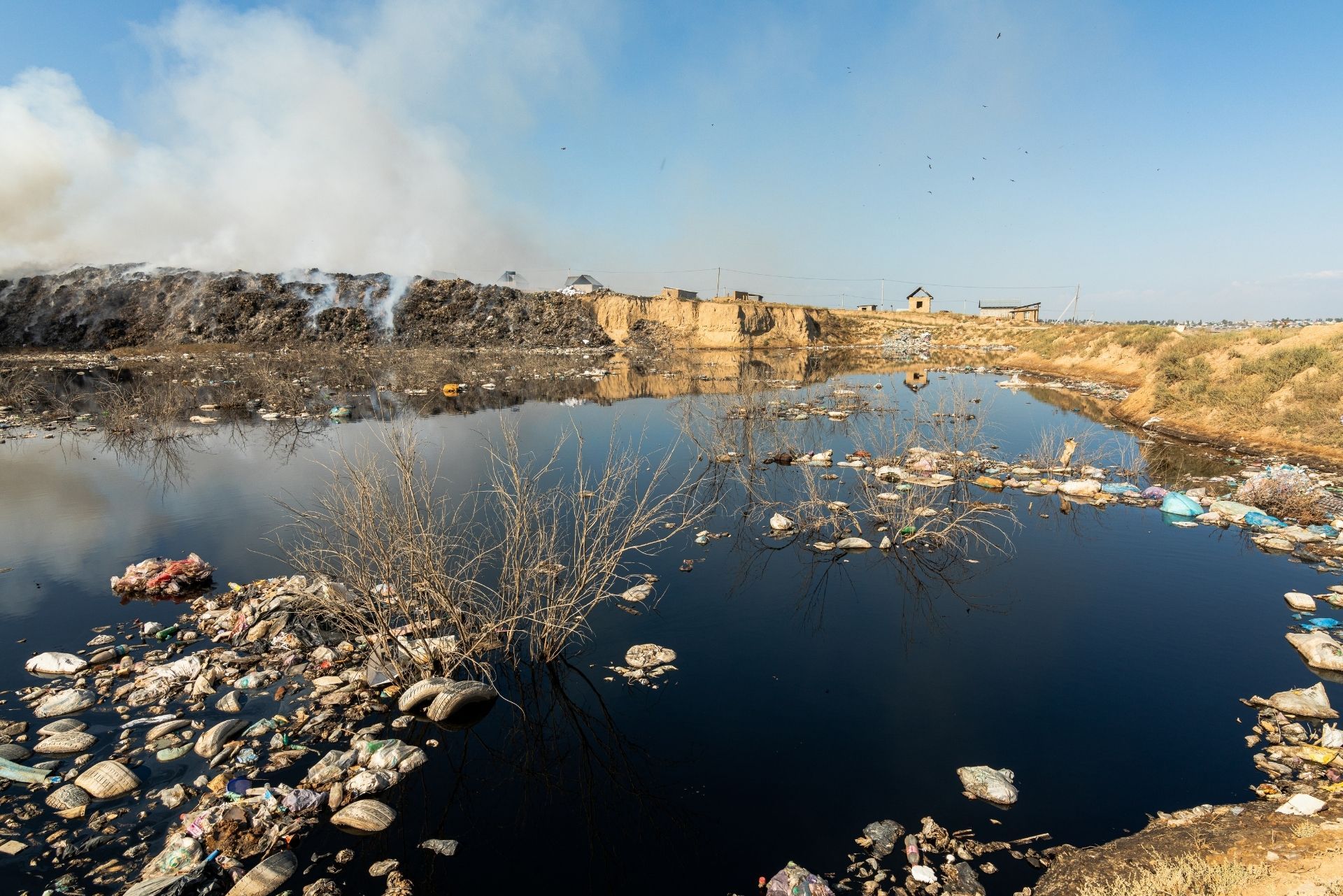
Pennsylvania ranks among the most heavily regulated states for environmental contamination, and for good reason. Decades of steel production, coal mining, petroleum refining, and chemical manufacturing have left thousands of contaminated sites scattered from Philadelphia to Pittsburgh. Standard commercial general liability policies almost universally exclude pollution-related claims, which means businesses operating on or near these sites carry enormous uninsured exposure.
Environmental liability insurance fills that gap. It covers cleanup costs, third-party bodily injury, property damage from pollution events, legal defense expenses, and sometimes even business interruption tied to a contamination incident. For Pennsylvania businesses specifically, this coverage intersects directly with state cleanup mandates and can mean the difference between a manageable remediation project and bankruptcy.
State-Specific Regulatory Framework and PADEP Oversight
The Pennsylvania Department of Environmental Protection, known as PADEP, serves as the primary enforcement authority for contamination events. PADEP operates under several key statutes, including the Hazardous Sites Cleanup Act (HSCA), the Storage Tank and Spill Prevention Act, and the Clean Streams Law. Each of these can trigger mandatory cleanup obligations, fines, and civil penalties.
PADEP maintains a list of over 900 active hazardous waste sites requiring investigation or remediation. If your property ends up on that list, or if your operations cause a release that affects neighboring properties, you're facing strict liability. That means fault doesn't matter; if you're connected to the contamination, you're responsible for cleanup. Environmental insurance policies are specifically designed to respond to these state-mandated obligations.
Common Pollution Risks for PA Industries
Pennsylvania's diverse economy creates a wide range of pollution exposures. Manufacturing facilities along the I-81 corridor deal with solvent contamination and heavy metal releases. Agricultural operations in Lancaster County face pesticide and nutrient runoff issues. Philadelphia's urban infill projects frequently encounter asbestos, lead paint, and petroleum contamination from prior land uses.
Real estate developers purchasing brownfield properties carry inherited contamination risk. Dry cleaners,
auto body shops, and even healthcare facilities generate hazardous waste that can trigger liability years after disposal. One common mistake: assuming that a Phase I Environmental Site Assessment alone protects you. It doesn't. A Phase I identifies potential contamination; insurance protects you financially when contamination is confirmed.

By: Tyler Reitz
Managing Principal of Bowmans Insurance
Core Coverage Types for Pennsylvania Businesses
Not all environmental policies are created equal. The right coverage depends on your specific operations, property history, and risk profile. Three primary policy types cover most Pennsylvania businesses.
| Coverage Type | Who Needs It | What It Covers | Typical Limits |
|---|---|---|---|
| Pollution Legal Liability (PLL) | Property owners, facility operators | On-site and off-site cleanup, third-party claims, legal defense | $1M - $25M |
| Contractors Pollution Liability (CPL) | Construction firms, environmental consultants | Pollution caused by contracting operations | $1M - $10M |
| Transportation & Disposal | Waste generators, haulers | Liability from waste transport and disposal at third-party sites | $1M - $5M |
Pollution Legal Liability (PLL) for Site Owners
PLL policies are the workhorse of environmental coverage for property owners. If you own commercial or industrial real estate in Pennsylvania, this is your primary protection. A PLL policy typically covers first-party cleanup costs on your property, third-party claims from neighboring property owners or residents, legal defense costs, and even diminution of property value in some cases.
Here's where it gets specific to Pennsylvania: many PLL policies can be structured to cover pre-existing contamination, which is critical for brownfield redevelopment. If you're purchasing a former industrial site in Reading or Scranton, a PLL policy with pre-existing conditions coverage protects you from contamination that predates your ownership. Without it, you could inherit millions in cleanup liability the moment you close on the property.
Contractors Pollution Liability (CPL) for PA Construction
Construction activity is one of the most common triggers for environmental claims in Pennsylvania. Excavation disturbs contaminated soil. Demolition releases asbestos fibers. Dewatering operations discharge contaminated groundwater into storm drains. A CPL policy covers pollution conditions that arise from your contracting operations.
Pennsylvania's construction market has unique risks. Philadelphia requires specific demolition bonds, and disturbing pre-1978 structures almost guarantees lead paint exposure. CPL coverage responds when your crew accidentally punctures an underground storage tank on a job site in Pittsburgh or when grading work sends contaminated sediment into a tributary of the Susquehanna. Most general contractors carry $1 million to $5 million in CPL limits, though larger firms working on public projects often need more.
Transportation and Disposal Coverage
If your business generates hazardous waste, you remain liable for that waste even after a licensed hauler picks it up. This principle, known as "cradle to grave" liability, means a spill during transport or contamination at a disposal facility can circle back to you. Transportation and disposal policies protect waste generators from these downstream liabilities.
A
plastics manufacturer in York that ships chemical waste to a licensed treatment facility in New Jersey still faces liability if that facility later becomes a Superfund site. This coverage is often overlooked but can prevent catastrophic losses, especially for businesses that generate significant waste volumes.
HSCA is Pennsylvania's equivalent of the federal Superfund law, and in many ways it's more aggressive. Understanding how this statute works is essential for anyone carrying environmental risk in the state.
Liability Standards and Responsible Parties
HSCA imposes strict, joint and several, and retroactive liability on responsible parties. That means PADEP can hold a single party responsible for the entire cost of a cleanup, even if dozens of parties contributed to the contamination, and even if the contamination occurred decades ago. Responsible parties under HSCA include current and former property owners, operators, waste generators, and transporters.
The financial exposure is significant. PADEP can recover its cleanup costs plus a 10% surcharge, and it can place liens on your property to secure payment. A $2.3 million cleanup at a former dry cleaning operation in Bethlehem, for example, could result in the current property owner bearing the full cost if other responsible parties are insolvent or can't be located. Environmental insurance is often the only realistic financial backstop against these claims.
Insurance Intersections with Land Recycling (Act 2)
Pennsylvania's Land Recycling and Environmental Remediation Standards Act, commonly called Act 2, created a framework that encourages brownfield redevelopment by offering liability protection to parties who clean up contaminated sites to approved standards. Once you achieve an Act 2 cleanup standard and receive a release of liability from PADEP, you're generally protected from future state enforcement actions related to that contamination.
Here's where insurance plays a strategic role: many developers purchase environmental insurance policies that align with their Act 2 cleanup plans. If post-cleanup monitoring reveals residual contamination, or if cleanup standards change after your release of liability, the insurance policy responds. This combination of Act 2 protection and environmental coverage creates a strong risk management framework for brownfield projects across the state.
Key Policy Provisions and Endorsements
The details within your policy matter as much as having the policy itself. Two areas deserve close attention for Pennsylvania businesses.
Sudden and Accidental vs. Gradual Pollution
Older commercial general liability policies sometimes included coverage for "sudden and accidental" pollution events, like a chemical spill from a ruptured pipe. But gradual pollution, such as decades of slow seepage from a corroded underground tank, was excluded. Modern environmental policies don't make this distinction. A well-structured PLL or CPL policy covers both sudden releases and gradual contamination.
This distinction matters in Pennsylvania because most contamination here is gradual. Industrial sites that operated for 50 or 60 years didn't experience a single dramatic spill; they accumulated contamination slowly over time. Make sure your policy explicitly covers gradual pollution conditions, and confirm that the policy's definition of "pollution condition" is broad enough to include soil, groundwater, surface water, and vapor intrusion.
Mold, Legionella, and Emerging Contaminants
PFAS, commonly called "forever chemicals," have become a major concern in Pennsylvania. Several water systems across the state have detected PFAS levels exceeding EPA guidelines, and litigation is accelerating. Many environmental policies now offer PFAS coverage through specific endorsements, though some exclude it entirely.
Mold and Legionella are also increasingly common claims, particularly for
commercial property owners and hospitality businesses. A Legionella outbreak in a Philadelphia hotel's cooling tower or mold contamination in a Pittsburgh apartment complex can generate significant bodily injury claims. Check whether your policy covers these biological contaminants or whether you need a separate endorsement. Policies vary widely on this point.
Cost Factors and Risk Mitigation Strategies
Environmental insurance pricing in Pennsylvania reflects the state's high contamination risk and active regulatory enforcement. Understanding what drives your premium helps you manage costs effectively.
Determining Premium Rates in the PA Market
Premiums for environmental policies depend on several factors: the type and age of your property, its contamination history, proximity to sensitive receptors like schools or waterways, your industry classification, and the coverage limits you select. A PLL policy for a clean commercial office building might cost $3,000 to $5,000 annually. The same coverage for a former petroleum distribution facility could run $15,000 to $40,000 or more.
Phase I and Phase II Environmental Site Assessments directly influence pricing. A clean Phase II report can reduce your premium significantly. Conversely, known contamination on-site increases costs but doesn't necessarily make coverage unavailable. Insurers often work with environmental consultants to quantify the risk and price it accordingly.
Best Practices for Claims Management and Reporting
Early reporting is the single most important factor in successful environmental claims. Most policies require you to report known or suspected contamination as soon as you become aware of it. Delayed reporting is the most common reason insurers deny environmental claims.
Keep detailed records of all environmental assessments, remediation activities, and communications with PADEP. If you discover contamination during construction, stop work in the affected area, document everything with photos and sampling data, and notify your insurer immediately. Many policies include access to pre-approved environmental consultants who can begin response actions quickly, which often reduces total cleanup costs by 20% to 30% compared to delayed responses.
FAQ
Do I need environmental insurance if I already have general liability coverage? Yes. Standard GL policies contain absolute pollution exclusions that eliminate coverage for contamination events. Environmental insurance is a separate, specialized product.
How long does an environmental insurance policy last? Most policies run for terms of one to ten years, with some offering extended reporting periods after expiration. Longer terms often come with lower annualized premiums.
Can I get coverage for contamination that already exists on my property? Yes. Many PLL policies cover pre-existing, unknown contamination. Some insurers will even cover known contamination if a remediation plan is in place.
Does Act 2 liability protection eliminate the need for insurance? No. Act 2 provides protection from state enforcement, but it doesn't shield you from federal claims, private lawsuits, or changes in cleanup standards after your release of liability.
What's the typical deductible on an environmental policy in Pennsylvania?
Deductibles, often called self-insured retentions, typically range from $10,000 to $250,000 depending on the risk profile and policy limits.
Pennsylvania's combination of industrial legacy, aggressive regulatory enforcement, and evolving contaminant standards makes environmental liability coverage a necessity rather than a luxury for most commercial property owners and contractors. The right policy protects you from inherited contamination, operational releases, and the financial weight of PADEP-mandated cleanups.
Start by reviewing your current GL policy's pollution exclusion to understand exactly what isn't covered. Then get a Phase I assessment if you don't already have one. Work with a broker who specializes in environmental risk, not a generalist who places one or two of these policies a year. The difference in coverage quality and pricing can be substantial. A proper environmental liability insurance review, tailored to Pennsylvania's specific regulatory demands, is one of the smartest risk management moves your business can make.
ABOUT THE AUTHOR:
TYLER REITZ, CIC, CPCU, ARM, AU
As Managing Principal of Bowmans Insurance, I’m passionate about helping businesses and individuals protect what matters most with clarity and confidence. With advanced designations including CIC, CPCU, ARM, and AU, I bring a comprehensive approach to risk management—ensuring every client receives strategic, reliable, and personalized coverage.
Contact Us
Why Work With Us?
Why Choose Bowman Insurance Group for Personal Insurance?


Choice and Transparency
Bowman Insurance Group works for you, not the insurance providers. We offer a wide selection of policies from reputable insurers, giving you options that suit your unique needs. We prioritize clarity and honesty, ensuring you understand each policy’s benefits and limitations.


Your Personal Advocate
Our team is committed to more than policy sales—we’re here to serve as your advocate. We balance your coverage needs with affordability, working to provide you with the best value without compromise. Every decision we support is made with your best interests in mind.


Expert Guidance for Life
Insurance can feel complex, but we’re here to make it simple. With years of experience, our advisors explain policies clearly and keep you informed of relevant changes. You’ll receive consistent support from trusted professionals who understand your needs and are dedicated to helping you make informed choices.
About Bowman's Insurance Group
Over 100 years Delivering Exceptional Service to Our Community
Personal Insurance Coverage in Pennsylvania
Personal Insurance Solutions in Pennsylvania
Home
Insurance
Auto
Insurance
Umbrella
Insurance
Condo
Insurance
Boat
Insurance
Motorcycle Insurance
RV
Insurance
ATV
Insurance
Insurance Client Reviews
Read our
customer reviews


40+
Insurance Partners
98%
Client Retention Rate
100
Years in Business
98%
Satisfaction Rate
Process of Working With A Personal Insurance Agent in Pennsylvania

Step 1: Initial Assessment
Our process begins with a comprehensive review of your personal insurance needs. We’ll assess factors like your lifestyle, family needs, and assets, so you get the coverage that best suits your unique situation.
Step 2: Customized Consultation
Meet with our knowledgeable agents one-on-one to discuss options tailored to your requirements. We aim to clarify your choices and recommend the most suitable coverage, considering both quality and affordability.
Step 3: Policy Selection & Activation
Once we identify the right coverage, we’ll handle the paperwork and activate your policy. Our team ensures a smooth, straightforward process, giving you confidence and peace of mind in your coverage.
Our Experts
Meet Our Team of Professional Insurance Experts
Tyler Reitz CIC, CPCU, ARM, AU
President
Carmen Donachy, CISR
Treasurer and Customer Service Rep
Brian Brassell, CSA, CRPC
Investment Advisor Representative, Director of Financial Services Division
Kassie Swope, CIC, CISR, AINS
Commercial Department Manager
Our News & Blogs
Latest insurance news & blogs