Pennsylvania Short-Term Rental Insurance

See How We're Different:
Call Us: 717-838-5464
Understanding Short-Term Rental Insurance Needs in Pennsylvania
Your standard homeowners policy wasn't designed for guests paying nightly rates, rotating through your property, and expecting hotel-level safety. Pennsylvania hosts discover this reality the hard way when a claim gets denied because their insurer learned about their Airbnb listing. The gap between residential coverage and what short-term rentals actually need creates real financial exposure that catches many property owners off guard.
Pennsylvania's short-term rental market spans diverse property types and risk profiles. A lakefront cabin in the Poconos faces different hazards than a Center City Philadelphia apartment or a
historic bed-and-breakfast
in Lancaster County. Each scenario demands coverage tailored to specific circumstances, local regulations, and guest expectations. Understanding your insurance needs as a Pennsylvania host means recognizing that your property operates as a small hospitality business, not simply a home you occasionally rent.
This overview of Pennsylvania short-term rental insurance coverage and protection helps you identify gaps in your current policy, understand what commercial-grade coverage actually includes, and make informed decisions about protecting your investment. Whether you're renting a single spare bedroom or managing multiple vacation properties across the state, the fundamentals remain consistent: you need coverage designed for commercial hospitality use, not residential occupancy.
The Gap Between Homeowners Policies and Commercial Use
Most homeowners policies contain exclusions for business activities conducted on the premises. When you accept payment from guests, you've crossed into commercial territory. Your insurer may void coverage entirely if they discover undisclosed rental activity, leaving you personally liable for injuries, property damage, or legal claims.
The distinction matters most during claims. A guest slips on icy steps and breaks their wrist. Your homeowners policy investigator finds your Airbnb listing. Suddenly, you're facing a denied claim and potential policy cancellation. Standard policies also lack coverage for guest belongings,
commercial liability limits, or income loss when your property becomes uninhabitable.
Specific Risks for PA Landscapes: From Poconos Cabins to Philly Rowhouses
Pennsylvania's geographic diversity creates varied risk profiles. Poconos properties face heavy snow loads, frozen pipes, and wildlife encounters. Philadelphia rowhouses deal with aging infrastructure, shared walls, and urban liability concerns. Rural farmhouse conversions might have well water systems, septic tanks, or outbuildings requiring additional coverage.
Seasonal considerations also factor heavily. Summer rentals near Lake Wallenpaupack attract boaters and swimmers. Winter ski chalets near Camelback see guests unfamiliar with icy conditions. Each scenario presents liability exposures your policy must address specifically.
Core Coverage Components for Keystone State Hosts
Building a comprehensive policy for your Pennsylvania rental requires understanding what each coverage component actually protects. You're not buying a single product but assembling layers of protection that work together when problems arise.
Commercial General Liability and Guest Medical Payments
Commercial general liability forms the foundation of any STR policy. This coverage responds when guests or their visitors suffer injuries on your property and hold you responsible. Slip-and-fall accidents, dog bites, food poisoning from a contaminated kitchen, or injuries from faulty railings all fall under CGL protection.
Guest medical payments work differently. This coverage pays smaller medical bills regardless of fault, typically up to $5,000 or $10,000 per incident. A guest cuts their hand on a broken glass, and medical payments cover the ER visit without requiring them to sue you first. This keeps minor incidents from escalating into lawsuits.
Building and Personal Property Protection
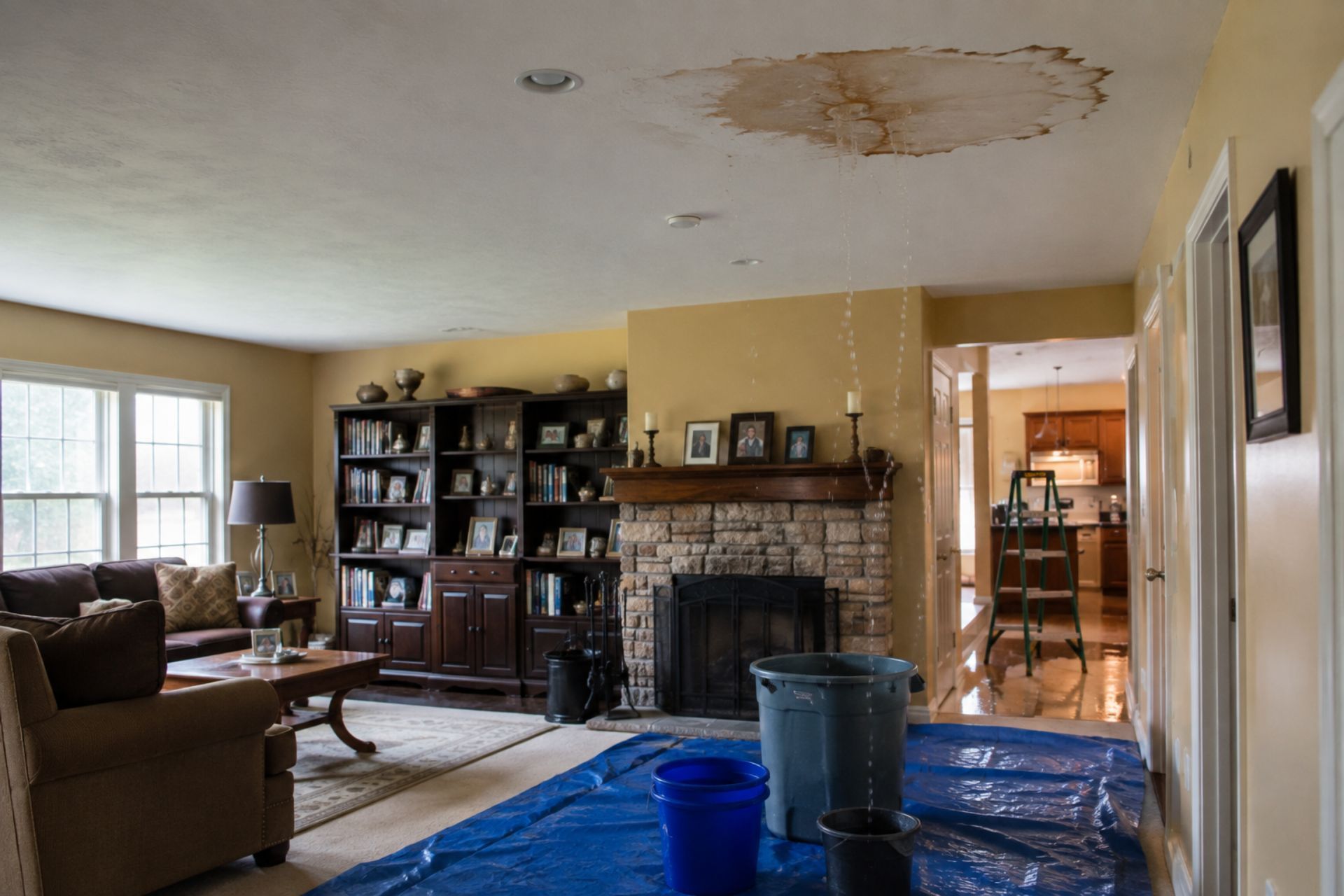
Your building coverage protects the structure itself against covered perils like fire, wind damage, vandalism, or theft. Pennsylvania hosts should verify their policy addresses common regional concerns: water damage from burst pipes during winter, roof damage from heavy snow accumulation, and basement flooding during spring thaws.
Personal property coverage extends to furnishings, appliances, and amenities you provide guests. That $3,000 television, the hot tub, expensive bedding, and kitchen equipment all need protection. Some policies also cover guest belongings up to certain limits, which can prevent claims against your liability coverage.
Loss of Rental Income Coverage
When covered damage makes your property unrentable, loss of income coverage replaces the revenue you would have earned during repairs. A kitchen fire in July means losing peak summer bookings while contractors work. This coverage bridges that gap, typically paying based on your documented rental history.
Pennsylvania's seasonal rental patterns make this coverage particularly valuable. Losing a Poconos cabin during ski season or a beach-adjacent property during summer months represents significant income. Verify your policy's waiting period and coverage duration match your property's earning potential.


By: Tyler Reitz
Managing Principal of Bowmans Insurance
Pennsylvania Regulatory Compliance and Legal Considerations
Insurance requirements don't exist in isolation. Pennsylvania's patchwork of local regulations affects what coverage you need and how you document your rental activity.
Local Zoning Ordinances and Insurance Requirements
Pennsylvania lacks statewide short-term rental regulations, leaving municipalities to set their own rules. Philadelphia requires rental licenses and imposes occupancy taxes. Pittsburgh has registration requirements and safety inspections. Smaller townships may prohibit STRs entirely or limit them to owner-occupied properties.
Some municipalities require hosts to carry minimum liability coverage, typically $500,000 to $1,000,000. Others mandate proof of insurance as part of the licensing process. Before purchasing a policy, research your specific municipality's requirements. Your insurance agent should understand local compliance needs.
Statewide Lodging Tax and Documentation
Pennsylvania imposes a 6% state hotel occupancy tax on rentals under 30 days, plus an additional 2% in Philadelphia. Proper documentation of your rental income supports both tax compliance and insurance claims. Maintain records of bookings, guest communications, and income that demonstrate your property's rental history.
These records also help establish appropriate coverage limits. An underinsured property leaves you exposed, while over-insurance wastes premium dollars. Accurate booking data helps your agent recommend appropriate coverage levels.
Evaluating Platform-Provided Protections vs. Private Policies
Booking platforms advertise protection programs prominently, but these programs function differently than traditional insurance policies.
Limitations of Airbnb AirCover and VRBO Guarantees
AirCover and similar programs provide secondary protection with significant limitations. They're not insurance policies, meaning you can't file claims directly or rely on state insurance regulations for dispute resolution. These programs typically require you to exhaust other coverage first, involve lengthy claims processes, and exclude many
common damage scenarios.
| Coverage Aspect | Platform Programsasic) | Private STR Policy |
|---|---|---|
| Claims process | Platform-controlled | State-regulated |
| Liability limits | Varies by incident | Policy-stated limits |
| Property damage | Guest damage only | All covered perils |
| Income loss | Not covered | Moderate |
| Legal defense | Limited | Included in liability |
Platform protections work as a backup, not a primary coverage strategy. A private policy gives you contractual rights, regulatory oversight, and predictable claims handling.

Your premium reflects your property's specific risk profile. Understanding what drives costs helps you make informed decisions about coverage levels and risk mitigation.
Regional Weather Risks: Flooding, Snow Load, and Wind
Pennsylvania's weather patterns significantly impact premiums. Properties in flood zones require separate flood insurance, often through the National Flood Insurance Program. Standard policies exclude flood damage entirely.
Heavy snowfall in northern and mountainous regions increases roof collapse risk and frozen pipe claims. Coastal-adjacent properties in the southeast face wind damage concerns. Your premium reflects these regional exposures, and mitigation measures like updated roofing, proper insulation, and sump pumps can reduce costs.
Property Amenities: Pools, Hot Tubs, and Fireplaces
Attractive amenities increase booking rates but also increase premiums. Pools and hot tubs create drowning and slip hazards. Wood-burning fireplaces and fire pits present obvious risks. Outdoor recreational equipment, trampolines, and docks each add liability exposure.
Some insurers exclude certain amenities entirely or require additional endorsements. Others mandate safety features like pool fencing, hot tub covers, or fireplace screens. Discuss your property's specific amenities with your agent to ensure proper coverage.
Best Practices for Securing the Right STR Policy
Finding appropriate coverage requires more than comparing premium quotes. Start by documenting your property thoroughly with photos, replacement cost estimates, and detailed amenity lists. This documentation speeds claims processing and ensures accurate coverage limits.
Work with an agent experienced in short-term rental coverage specifically. General insurance agents may not understand the nuances of hospitality liability or platform integration. Ask potential agents about their STR client base and claims experience.
Review your policy annually and after any significant changes. Adding a hot tub, converting a garage to additional sleeping space, or expanding to additional properties all require coverage updates. Don't assume your existing policy automatically covers changes.
Frequently Asked Questions
Does my homeowners insurance cover Airbnb guests? Most homeowners policies exclude commercial activity. Renting your property, even occasionally, typically voids coverage for related claims.
How much liability coverage do Pennsylvania hosts need? Most agents recommend at least $1,000,000 in liability coverage. High-value properties or those with pools may need $2,000,000 or umbrella policies.
Can I get coverage for just part of the year? Some insurers offer seasonal policies for properties rented only during specific months. This can reduce premiums for vacation-only rentals.
What happens if a guest's dog bites someone? Your liability coverage typically responds to injuries on your property, regardless of cause. However, some policies exclude animal-related claims.
Do I need separate flood insurance? Yes. Standard property policies exclude flood damage. Properties in or near flood zones need NFIP or private flood coverage.
Protecting your Pennsylvania short-term rental requires coverage designed for commercial hospitality use, not residential policies stretched beyond their intended purpose. The right policy addresses your property's specific location, amenities, and risk profile while meeting local regulatory requirements.
Start by reviewing your current coverage for business activity exclusions. Then consult with an agent specializing in short-term rental insurance who understands Pennsylvania's regulatory landscape. The premium investment protects not just your property but your personal assets from liability claims that could otherwise devastate your finances.
ABOUT THE AUTHOR:
TYLER REITZ, CIC, CPCU, ARM, AU
As Managing Principal of Bowmans Insurance, I’m passionate about helping businesses and individuals protect what matters most with clarity and confidence. With advanced designations including CIC, CPCU, ARM, and AU, I bring a comprehensive approach to risk management—ensuring every client receives strategic, reliable, and personalized coverage.
Contact Us
Why Work With Us?
Why Choose Bowman Insurance Group for Personal Insurance?


Choice and Transparency
Bowman Insurance Group works for you, not the insurance providers. We offer a wide selection of policies from reputable insurers, giving you options that suit your unique needs. We prioritize clarity and honesty, ensuring you understand each policy’s benefits and limitations.


Your Personal Advocate
Our team is committed to more than policy sales—we’re here to serve as your advocate. We balance your coverage needs with affordability, working to provide you with the best value without compromise. Every decision we support is made with your best interests in mind.


Expert Guidance for Life
Insurance can feel complex, but we’re here to make it simple. With years of experience, our advisors explain policies clearly and keep you informed of relevant changes. You’ll receive consistent support from trusted professionals who understand your needs and are dedicated to helping you make informed choices.
About Bowman's Insurance Group
Over 100 years Delivering Exceptional Service to Our Community
Personal Insurance Coverage in Pennsylvania
Personal Insurance Solutions in Pennsylvania
Home
Insurance
Auto
Insurance
Umbrella
Insurance
Condo
Insurance
Boat
Insurance
Motorcycle Insurance
RV
Insurance
ATV
Insurance
Insurance Client Reviews
Read our customer reviews


40+
Insurance Partners
98%
Client Retention Rate
100
Years in Business
98%
Satisfaction Rate
Process of Working With A
Personal Insurance Agent in Pennsylvania

Step 1: Initial Assessment
Our process begins with a comprehensive review of your personal insurance needs. We’ll assess factors like your lifestyle, family needs, and assets, so you get the coverage that best suits your unique situation.
Step 2: Customized Consultation
Meet with our knowledgeable agents one-on-one to discuss options tailored to your requirements. We aim to clarify your choices and recommend the most suitable coverage, considering both quality and affordability.
Step 3: Policy Selection & Activation
Once we identify the right coverage, we’ll handle the paperwork and activate your policy. Our team ensures a smooth, straightforward process, giving you confidence and peace of mind in your coverage.
Our Experts
Meet Our Team of Professional Insurance Experts
Tyler Reitz CIC, CPCU, ARM, AU
President
Carmen Donachy, CISR
Treasurer and Customer Service Rep
Brian Brassell, CSA, CRPC
Investment Advisor Representative, Director of Financial Services Division
Kassie Swope, CIC, CISR, AINS
Commercial Department Manager
Our News & Blogs
Latest insurance news & blogs