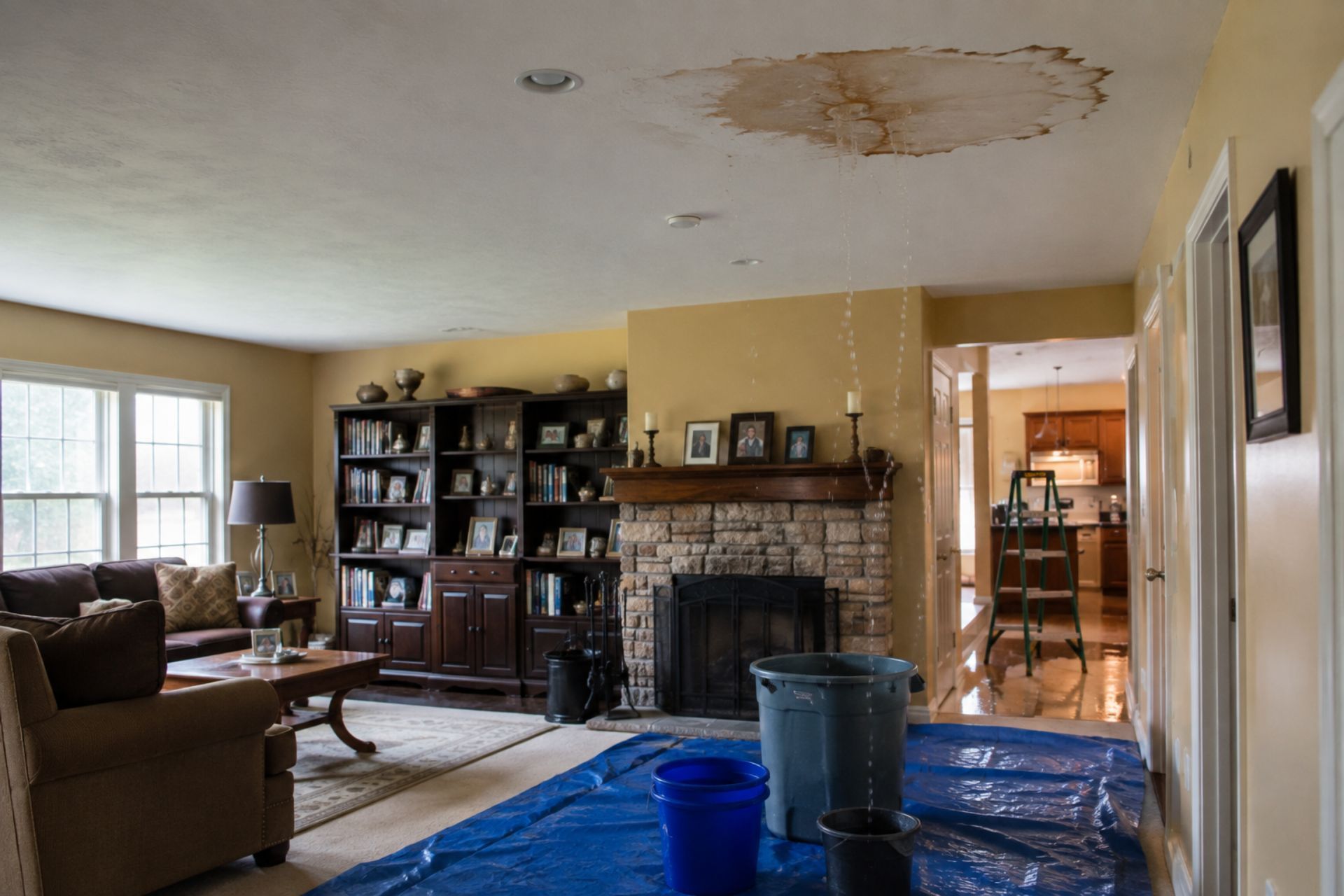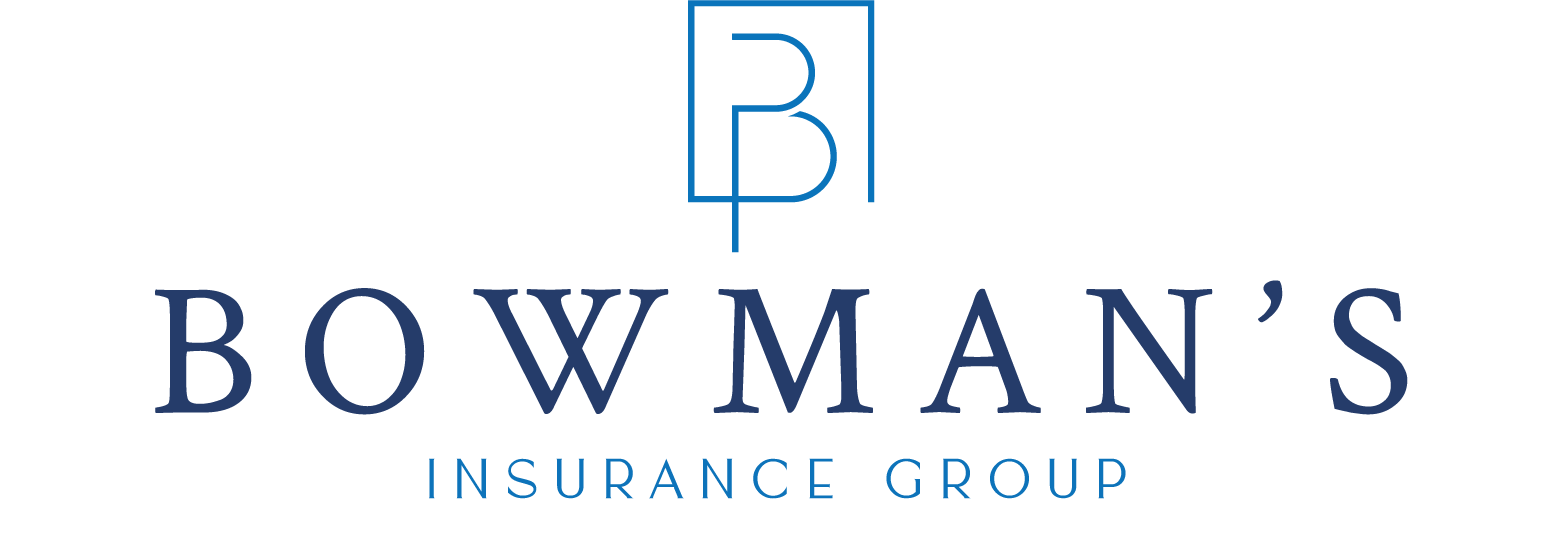

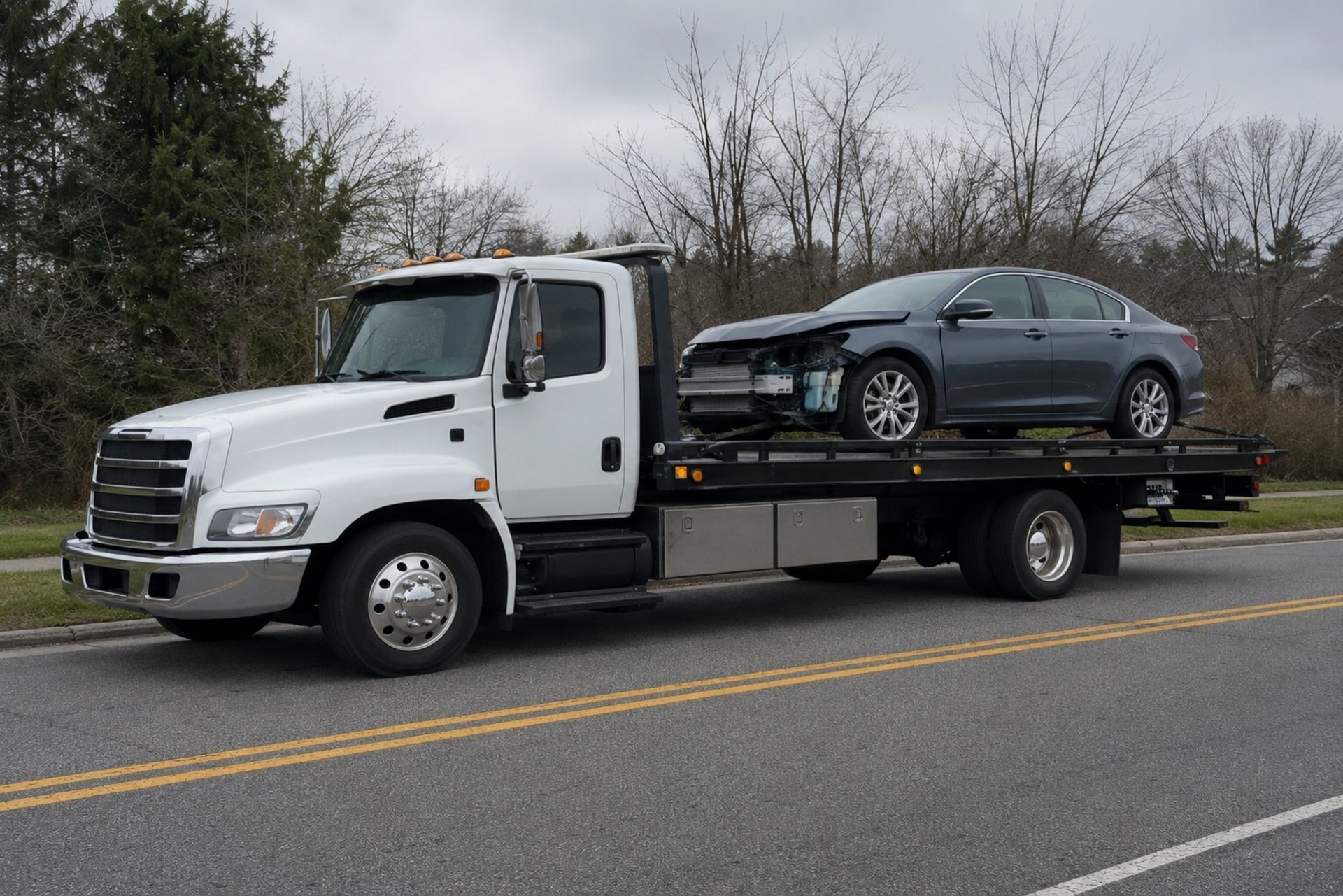
A towing company owner in Scranton recently watched a $38,000 claim eat through his savings after a vehicle slipped off his flatbed during a winter haul. His policy didn't include on-hook coverage, and the customer's luxury SUV hit the pavement hard. Stories like this play out across the state more often than you'd expect.
Pennsylvania towing insurance, including both cost and coverage decisions, can make or break a small fleet operation. The state's regulatory framework is stricter than many operators realize, and the penalties for
gaps in coverage go well beyond fines. Whether you run a single truck out of a garage in Erie or manage a dozen wreckers serving the Philadelphia metro area, your insurance portfolio needs to match the risks you actually face on the road. Getting this right protects your business, your drivers, and every vehicle you touch. This guide breaks down what Pennsylvania requires, what it costs, and how to structure your policies so you're not left exposed when something goes wrong.
Understanding Towing Insurance in Pennsylvania
Towing operations carry a unique mix of risks. You're hauling someone else's property on public roads, sometimes in hazardous conditions, sometimes from accident scenes with active traffic. Pennsylvania treats towing companies as motor carriers, which means you fall under the Pennsylvania Public Utility Commission's oversight. That classification triggers specific insurance filing requirements that don't apply to ordinary commercial vehicles.
The PUC doesn't just ask you to carry insurance. It requires proof, filed by your insurer directly, before you can legally operate. Missing a filing deadline or letting a policy lapse can result in your operating authority being suspended, sometimes within days.
State-Mandated Liability Requirements
Pennsylvania towing companies must have their insurer submit Form E (Bodily Injury and Property Damage) and Form H (Cargo Liability) within 60 days of an approved application. These aren't optional add-ons. They're prerequisites for maintaining your PUC authority. The PUC's motor carrier insurance filing requirements spell out the exact forms and timelines.
Minimum liability limits for towing operators typically start at $300,000 combined single limit for bodily injury and property damage, though many municipalities and motor clubs require $1 million. Cargo liability minimums vary, but most operators carry at least $100,000 per vehicle in transit. If you tow for AAA or any major roadside assistance network, their contract requirements almost always exceed state minimums.
One thing to keep in mind: Form E and Form H must come from your insurance carrier, not from you. If your insurer is slow to file, your authority sits in limbo. Choose a carrier experienced with PUC filings.
On-Hook and Garagekeepers Coverage
On-hook coverage protects vehicles while they're being towed or transported on your equipment. Garagekeepers coverage kicks in once those vehicles are stored at your lot or facility. These are two distinct policies covering two distinct phases of your custody over a customer's vehicle.
A common mistake is assuming your general auto liability covers damage to vehicles in your care. It doesn't. If a car falls off your wheel-lift or gets vandalized in your storage yard, you need on-hook and garagekeepers policies to respond. On-hook limits typically range from $50,000 to $150,000 per occurrence, while garagekeepers coverage often starts at $100,000 and scales with the number of vehicles you store.
Pennsylvania's
consumer-friendly auto insurance reforms have pushed carriers to offer more transparent policy language, which helps you compare what's actually covered across different quotes.

By: Tyler Reitz
Managing Principal of Bowmans Insurance
Your premium isn't a fixed number pulled from a rate chart. It's calculated from a dozen or more variables specific to your operation. Two towing companies in the same county can pay wildly different rates based on their risk profiles.
Location and Operating Radius in PA
Where you operate matters enormously. A towing company based in downtown Philadelphia faces higher premiums than one working rural routes in Bradford County. Dense urban areas mean more traffic exposure, higher theft rates, and more expensive claims. Insurers price this in.
Your operating radius also factors in. If you stay within a 25-mile radius of your base, your exposure is limited. Companies that run long-distance transport, say hauling vehicles from Pittsburgh to the New Jersey border, face higher per-mile risk. Interstate operations trigger additional federal insurance requirements on top of PUC mandates.
Zip code rating is real. A company in Allentown might pay 15-20% more than an identical operation in Williamsport simply because of claims frequency data in that area.
Fleet Size and Equipment Value
Every truck on your policy adds premium, but the relationship isn't perfectly linear. Insurers often offer per-unit discounts as your fleet grows. A five-truck fleet might pay $7,500 to $12,000 per truck annually, while a fifteen-truck fleet could see per-unit costs drop to $5,500 to $9,000.
The type of equipment matters too. A heavy-duty rotator valued at $350,000 costs more to insure than a standard flatbed worth $65,000. Physical damage coverage, which protects your own trucks, scales directly with the replacement value of your equipment.
Newer trucks with collision avoidance systems, backup cameras, and GPS tracking can qualify for discounts. Insurers reward technology that reduces claim frequency, so investing in safety features often pays for itself through lower premiums within two to three years.
Comparing Coverage Levels for PA Towing Businesses
Not every towing company needs the same coverage stack. A small operation doing light-duty roadside work has different exposure than a heavy-recovery outfit pulling tractor-trailers off I-76. The key is matching your coverage to your actual risk profile without leaving gaps.
Basic vs. Comprehensive Coverage Comparison Table
| Coverage Type | Basic Policy | Comprehensive Policy |
|---|---|---|
| Bodily Injury/Property Damage | $300,000 CSL | $1,000,000 CSL |
| On-Hook Coverage | $50,000 per vehicle | $150,000 per vehicle |
| Garagekeepers | Not included | $100,000 - $500,000 |
| Physical Damage (own trucks) | Liability only | Full collision + comprehensive |
| Cargo Liability | $50,000 | $100,000 - $250,000 |
| Uninsured Motorist | State minimum | $500,000+ |
| Annual Cost Range (per truck) | $4,500 - $7,000 | $9,000 - $16,000 |
The price gap between basic and comprehensive is significant, but so is the protection gap. A single heavy-recovery claim involving an overturned commercial vehicle can easily exceed $100,000. If your basic policy caps cargo liability at $50,000, you're covering the rest out of pocket.
Pennsylvania legislative efforts around
insurance reform have aimed to increase consumer protections, which indirectly affects how towing claims get processed and paid.
Common Questions About Pennsylvania Towing Policies
FAQ: Cost, Filing, and Claims
How much does towing insurance cost per truck in Pennsylvania? Expect to pay between $4,500 and $16,000 per truck annually, depending on your coverage level, location, driving records, and equipment value. Heavy-duty operations pay more than light-duty roadside services.
Do I need PUC authority to operate a tow truck in PA? Yes, if you're towing for hire. The PUC requires motor carrier authority, and your insurer must file Form E and Form H on your behalf. Operating without proper authority can result in fines up to $1,000 per violation.
What happens if my insurance lapses? The PUC can suspend your operating authority. Your insurer is required to notify the PUC of any cancellation, and reinstatement requires new filings and potentially a new application.
Does my personal auto policy cover my tow truck? No. Personal auto policies exclude commercial towing operations. You need a commercial auto policy specifically rated for towing.
Can I get coverage if I have drivers with poor records? You can, but it'll cost more. Some carriers specialize in high-risk commercial auto. Expect surcharges of 20-40% for drivers with recent accidents or moving violations.
Is on-hook coverage required by law? It's not mandated by the state, but most motor clubs and municipal contracts require it. Going without it is a serious financial gamble.
How long does it take to get a policy in place? Most commercial towing policies can be bound within a few days. The PUC filing process adds time, so plan for 30-60 days before your authority is fully active.
How to Lower Your Insurance Costs
Premium savings don't come from cutting coverage. They come from reducing the risk your insurer has to price in. The most effective strategies involve operational changes that make your business genuinely safer.
Safety Programs and Driver Screening
Insurers look at your loss history, and your loss history starts with your drivers. Running MVR checks before hiring, requiring WreckMaster or equivalent certification, and implementing a formal safety program can reduce premiums by 10-15%.
A written safety manual that covers proper hookup procedures, PPE requirements, and scene safety protocols shows your insurer you take risk management seriously. Some carriers offer premium credits specifically for documented training programs. Random drug testing, while required for CDL holders, also signals a professional operation when applied fleet-wide.
Track your incidents, even minor ones. Insurers reward companies that demonstrate a declining claims trend over three to five years.
Bundling General Liability and Auto Policies
Carrying your general liability, commercial auto, garagekeepers, and on-hook coverage through a single carrier or program almost always costs less than piecing together separate policies. Bundled programs reduce administrative overhead for the insurer, and they pass some of that savings to you.
A business owner's policy, or BOP, can wrap general liability and property coverage together. Pair that with a commercial auto program from the same carrier, and you might save 10-20% compared to standalone policies. Pennsylvania's ongoing insurance legislative activity continues to shape how carriers structure these bundled offerings.
Ask your agent about package discounts specifically designed for towing and recovery operations. Not every carrier writes towing business, so working with a broker who specializes in commercial auto for the towing industry gives you access to markets that general agents can't reach.
Making the Right Choice for Your Fleet
Your towing insurance decisions ripple through every part of your business. The right coverage protects your trucks, your employees, your customers' vehicles, and your PUC authority. The wrong coverage, or not enough of it, puts everything at risk over a single bad claim.
Start by getting clear on your state requirements: Form E, Form H, and the PUC minimums. Then build up from there based on your actual exposure. If you store vehicles, you need garagekeepers. If you haul high-value cars, your on-hook limits need to reflect that. If you operate heavy wreckers, your liability limits should match the scale of potential claims.
Get quotes from at least three carriers that specialize in towing and recovery insurance in Pennsylvania. Compare not just price but coverage terms, filing experience, and claims handling reputation. The cheapest policy is rarely the best value when a $75,000 claim hits your desk. Talk to a broker who knows the towing industry, review your policies annually, and adjust as your fleet and operations change. That's how you build a business that lasts.
ABOUT THE AUTHOR:
TYLER REITZ, CIC, CPCU, ARM, AU
As Managing Principal of Bowmans Insurance, I’m passionate about helping businesses and individuals protect what matters most with clarity and confidence. With advanced designations including CIC, CPCU, ARM, and AU, I bring a comprehensive approach to risk management—ensuring every client receives strategic, reliable, and personalized coverage.
Contact Us
Why Work With Us?
Why Choose Bowman Insurance Group for Personal Insurance?


Choice and Transparency
Bowman Insurance Group works for you, not the insurance providers. We offer a wide selection of policies from reputable insurers, giving you options that suit your unique needs. We prioritize clarity and honesty, ensuring you understand each policy’s benefits and limitations.


Your Personal Advocate
Our team is committed to more than policy sales—we’re here to serve as your advocate. We balance your coverage needs with affordability, working to provide you with the best value without compromise. Every decision we support is made with your best interests in mind.


Expert Guidance for Life
Insurance can feel complex, but we’re here to make it simple. With years of experience, our advisors explain policies clearly and keep you informed of relevant changes. You’ll receive consistent support from trusted professionals who understand your needs and are dedicated to helping you make informed choices.
About Bowman's Insurance Group
Over 100 years Delivering Exceptional Service to Our Community
Personal Insurance Coverage in Pennsylvania
Personal Insurance Solutions in Pennsylvania
Home
Insurance
Auto
Insurance
Umbrella
Insurance
Condo
Insurance
Boat
Insurance
Motorcycle Insurance
RV
Insurance
ATV
Insurance
Insurance Client Reviews
Read our
customer reviews


40+
Insurance Partners
98%
Client Retention Rate
100
Years in Business
98%
Satisfaction Rate
Process of Working With A Personal Insurance Agent in Pennsylvania
Step 1: Initial Assessment
Our process begins with a comprehensive review of your personal insurance needs. We’ll assess factors like your lifestyle, family needs, and assets, so you get the coverage that best suits your unique situation.
Step 2: Customized Consultation
Meet with our knowledgeable agents one-on-one to discuss options tailored to your requirements. We aim to clarify your choices and recommend the most suitable coverage, considering both quality and affordability.
Step 3: Policy Selection & Activation
Once we identify the right coverage, we’ll handle the paperwork and activate your policy. Our team ensures a smooth, straightforward process, giving you confidence and peace of mind in your coverage.
Our Experts
Meet Our Team of Professional Insurance Experts
Tyler Reitz CIC, CPCU, ARM, AU
President
Carmen Donachy, CISR
Treasurer and Customer Service Rep
Brian Brassell, CSA, CRPC
Investment Advisor Representative, Director of Financial Services Division
Kassie Swope, CIC, CISR, AINS
Commercial Department Manager
Our News & Blogs
Latest insurance news & blogs