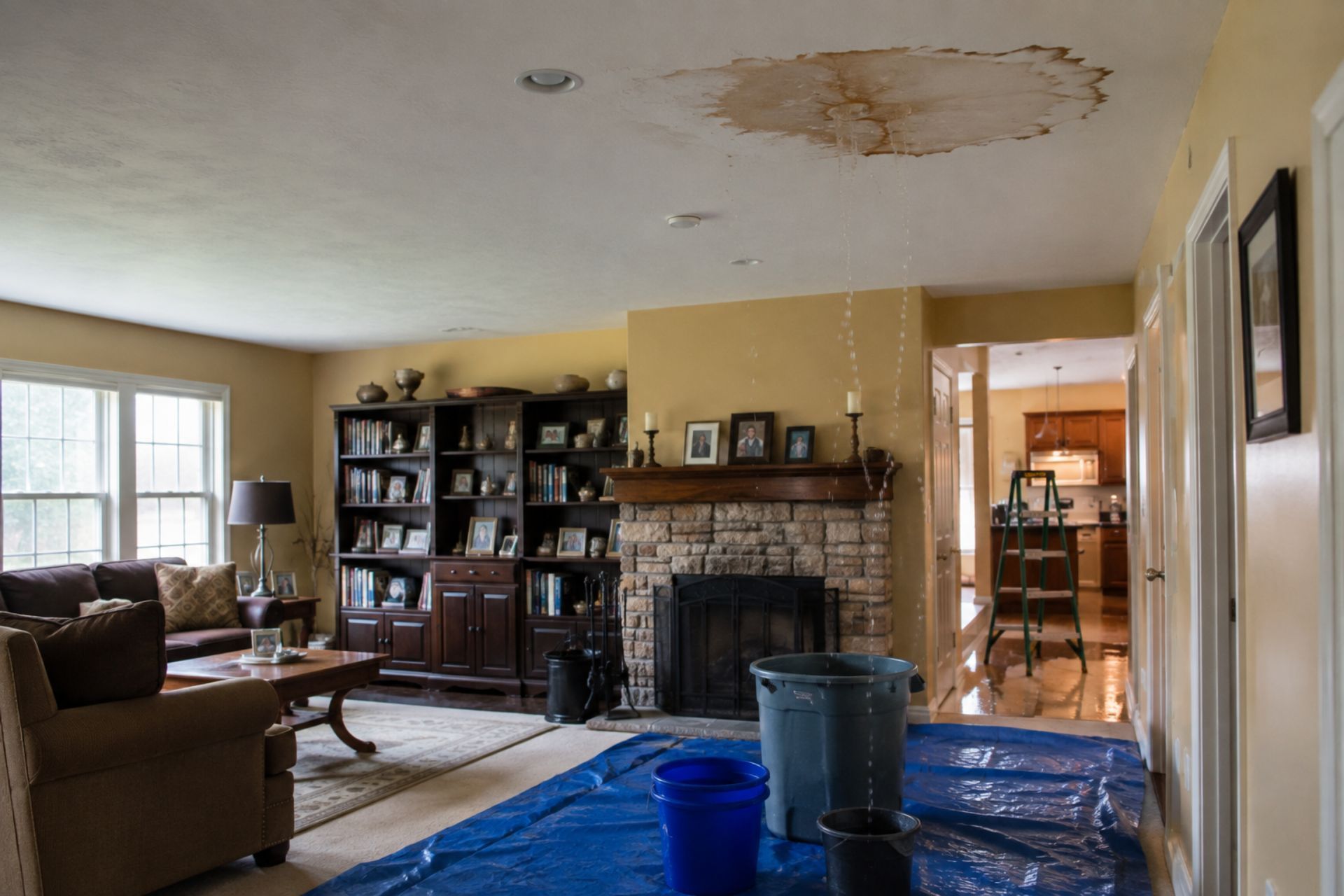

A burst pipe in the middle of a January cold snap. A tree limb crashing through your roof during a summer thunderstorm. A guest slipping on your icy front steps. These are the scenarios Lancaster homeowners face, and the right insurance policy is what stands between a manageable inconvenience and a financial disaster. Understanding your home insurance options in Lancaster, PA, from dwelling coverage and personal property protection to liability, water damage, deductibles, and discounts, can save you thousands of dollars and a lot of stress.
Lancaster County's mix of historic row homes, sprawling farmhouses, and modern subdivisions means no single policy fits every property. Annual premiums here
range from roughly $1,355 to $1,600, well below the Pennsylvania state average of $1,893. That's good news, but lower average costs don't mean you should settle for minimal protection. The right coverage depends on your home's age, location, construction type, and the specific risks your property faces. Here's what you need to know to make a smart decision.
Understanding Homeowners Insurance in Lancaster
Why Regional Factors Matter for PA Residents
Lancaster County sits in the heart of South Central Pennsylvania, where weather patterns swing from heavy snowfall and ice storms to humid summers with severe thunderstorms. These conditions directly affect what you'll pay and what you need covered. Insurers price policies based on local claim history, and Lancaster's exposure to winter freeze damage and occasional flooding from the Susquehanna River watershed shapes those calculations.
Your home's construction era matters too. A 1920s brick row home in downtown Lancaster has different vulnerabilities than a 2025 build in a Manheim Township development. Older homes often have outdated plumbing, knob-and-tube wiring, or slate roofs that can increase premiums or create coverage gaps. Knowing your property's specific risk profile helps you avoid paying for coverage you don't need while making sure you're not underinsured where it counts.
Standard Coverage vs. Local Requirements
Pennsylvania doesn't mandate homeowners insurance by law, but your mortgage lender almost certainly does. The standard HO-3 policy, the most common form in the state, covers your dwelling, personal property, liability, and additional living expenses if your home becomes uninhabitable. It protects against "named perils" for personal property and "open perils" for the structure itself, meaning your home is covered unless the policy specifically excludes a cause of loss.
That said, an HO-3 doesn't cover everything.
Flood damage, earth movement, and sewer backup require separate endorsements or standalone policies. Many Lancaster homeowners assume their standard policy handles these risks, and they're caught off guard when a claim gets denied. Reading the exclusions section of your policy is just as important as understanding what's covered.

By: Tyler Reitz
Managing Principal of Bowmans Insurance
Protecting the Structure and Personal Property
Dwelling coverage, often called Coverage A, pays to rebuild or repair your home's structure after a covered loss. Setting this limit correctly is critical. Construction costs in Lancaster currently range from $190 to $335 per square foot, so a 2,400-square-foot home could require a dwelling limit between $455,000 and $805,000 depending on finishes and materials. Don't confuse your home's market value with its rebuild cost; they're often very different numbers.
Personal property coverage, or Coverage C, protects your belongings: furniture, clothing, electronics, appliances. Most policies default to actual cash value, which factors in depreciation. If your five-year-old laptop gets destroyed, you'll receive its current worth, not what you paid. Upgrading to replacement cost coverage is usually worth the modest premium increase, especially if you own newer furniture or high-value items.
Liability and Medical Payments for Guests
Coverage E handles personal liability if someone gets injured on your property or if you accidentally damage someone else's property. Standard limits start at $100,000; recommendations are $300,000 to $500,000 (https://www.pa.gov/agencies/insurance/consumer-help-center/learn-about-insurance/homeowners). A single lawsuit from a serious injury can easily exceed $100,000 in medical bills and legal fees.
Coverage F, medical payments to others, covers smaller injuries to guests regardless of fault. It typically ranges from $1,000 to $5,000 (https://tgsinsurance.com/homeowners-insurance/medical-payments-coverage/) and helps you avoid lawsuits over minor incidents, like a neighbor's child falling off your swing set. Think of it as a goodwill provision that keeps small claims from turning into expensive legal disputes.
Comparison: Basic vs. Comprehensive Policy Limits
| Coverage Type | Basic HO-3 Policy | Enhanced HO-3 Policy |
|---|---|---|
| Dwelling (Coverage A) | Rebuild cost estimate | Guaranteed replacement cost |
| Personal Property (C) | Actual cash value | Replacement cost value |
| Liability (E) | $100,000 (https://www.pa.gov/agencies/insurance/consumer-help-center/learn-about-insurance/homeowners) | $300,000 - $500,000 (https://www.pa.gov/agencies/insurance/consumer-help-center/learn-about-insurance/homeowners) |
| Medical Payments (F) | $1,000 (https://tgsinsurance.com/homeowners-insurance/medical-payments-coverage/) | $5,000 (https://tgsinsurance.com/homeowners-insurance/medical-payments-coverage/) |
| Water Backup | Not included | Added via endorsement |
| Deductible | $1,000 | $2,500 |
The enhanced option costs more upfront, but it closes the gaps that cause the most painful out-of-pocket surprises after a claim.
Specific Risks for Lancaster County Property Owners
Addressing Severe Winter Weather Damage
Lancaster averages around 30 inches of snow annually, and ice dams are one of the most common winter claims in the county. When heat escapes through your attic, it melts snow on the roof, which refreezes at the eaves and forces water under your shingles. The resulting damage to ceilings, walls, and insulation can cost thousands.
Most HO-3 policies cover ice dam damage to the interior of your home, but they won't pay to remove the ice dam itself or fix the underlying ventilation problem. Burst pipes from freezing are also covered, provided you've maintained reasonable heat in your home. If you leave for a winter vacation and turn the heat off completely, your insurer may deny the claim. Keep the thermostat at 55 degrees or higher, and consider a water leak detection system for extra protection.
Flood Insurance Needs Near the Susquehanna
Standard homeowners policies exclude flood damage, period. If your property sits near the Conestoga River, Pequea Creek, or any tributary feeding the Susquehanna, you need a separate flood policy through the National Flood Insurance Program or a private carrier. Even homes outside designated flood zones can flood; roughly 25% of all flood claims nationally come from properties in low-to-moderate risk areas.
Lancaster County has launched a Flood Risk Dashboard providing real-time stream gauge levels and rainfall forecasts for the Lower Susquehanna River Basin. This tool helps you assess your actual exposure. Flood policies have a 30-day waiting period before coverage kicks in, so don't wait until a storm is in the forecast.
Mine Subsidence and Sinkhole Coverage in PA
Lancaster County sits on limestone karst terrain, which makes sinkholes a real, if uncommon, concern. Standard policies exclude earth movement, including sinkholes and mine subsidence. Pennsylvania offers a state-backed Mine Subsidence Insurance program for properties in affected areas, with annual premiums for $75,000 in coverage costing approximately $20.25 to $21.00 (https://www.dep.state.pa.us/dep/subject/advcoun/CCMSIB/2000/PremiumRates.pdf).
If your home is in an area with known karst features, ask your agent about adding this coverage. A sinkhole opening under your foundation could cause catastrophic structural damage, and without the endorsement, you'd be paying for repairs entirely out of pocket.
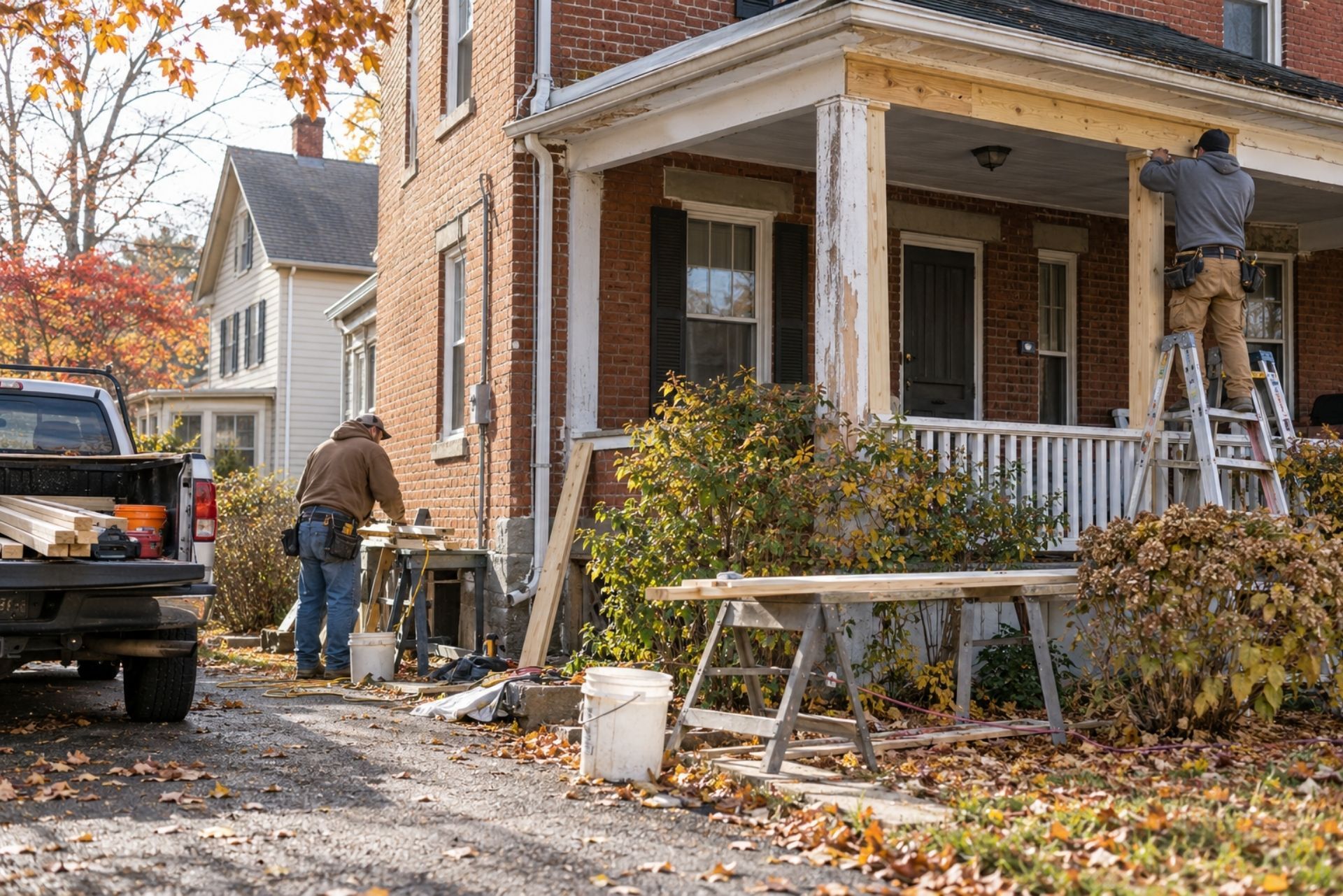
Rising reinsurance costs, more frequent extreme-weather claims, and higher rebuild expenses have driven rate increases across the industry. The Pennsylvania Insurance Department approved a statewide average rate increase of 1.8% through July 2026, a much smaller jump than the 13.6% hike homeowners saw in 2024. Still, every dollar you can trim from your premium matters.
Safety and Security System Incentives
Installing protective devices is one of the most effective ways to reduce your premium. Professionally monitored security systems can qualify for discounts up to 20%, and smart water leak detectors save homeowners an average of $133 per year when at least two devices are installed. Smoke detectors, deadbolts, and fire extinguishers also earn small but cumulative credits.
Homes built under new 2026 Uniform Construction Code standards in South Central Pennsylvania, which require stricter insulation and mandatory blower-door testing, may qualify for additional new-construction discounts. These energy-efficient builds are less prone to ice dams and moisture intrusion, which translates to fewer claims and lower rates.
Multi-Policy and Loyalty Savings
Bundling your home and auto insurance with the same carrier typically saves on your homeowners premium. If you've been with the same insurer for three or more years, ask about loyalty discounts; many carriers offer them but don't apply them automatically. Increasing a deductible from $1,000 to $2,500 can reduce premiums by 10% to 15% (https://www.plymouthrock.com/resources/what-is-a-good-deductible-for-home-insurance), though you'll need to be comfortable covering that higher amount out of pocket if a claim arises.
Other commonly overlooked discounts include claims-free credits, retirement or age-55+ discounts, and paperless billing. Ask your agent for a full list of available credits. Most homeowners qualify for at least two or three they're not currently receiving.
Common Questions About Lancaster Home Insurance
Is home insurance required by law in Pennsylvania? No. Pennsylvania doesn't legally require homeowners insurance. Your mortgage lender, however, will require it as a condition of the loan. If you own your home outright, coverage is optional but strongly recommended.
Does my policy cover damage from heavy snow or ice dams? Your HO-3 policy typically covers interior damage caused by ice dams, such as water-stained ceilings or ruined drywall. It won't pay to remove the ice dam or fix poor attic ventilation. Burst pipes from freezing are covered as long as you've maintained adequate heat in the home.
How do I know if I need separate flood insurance? If you're within a FEMA-designated flood zone, your lender will require it. Even outside those zones, flood insurance is worth considering if your property is near any waterway. Lancaster County's online flood risk dashboard can help you evaluate your exposure.
Can I get a discount for living in a newer home? Yes. Newer homes with updated electrical, plumbing, and roofing systems cost less to insure. Homes built under Pennsylvania's 2026 building codes may qualify for additional credits due to improved energy efficiency and structural standards.
What happens to my rates if I file a claim for storm damage? Filing a single weather-related claim usually won't spike your rates dramatically, but it depends on your insurer and claim history. Multiple claims within a three-to-five-year window can trigger surcharges or even non-renewal. For small losses close to your deductible, it's often better to pay out of pocket and preserve your claims-free status.
Making the Right Choice for Your Property
Home insurance in Lancaster, PA involves balancing dwelling protection, personal property coverage, liability limits, water damage endorsements, deductible choices, and available discounts against your specific property and budget. The county's lower-than-average premiums give you room to invest in stronger coverage without breaking the bank.
Start by getting an accurate rebuild cost estimate for your home, not just its market value. Review your policy's exclusions carefully, especially for flood, sewer backup, and earth movement. Take advantage of every discount you qualify for, from security systems to bundling. And revisit your coverage annually, because your home's value, your belongings, and local risk factors all change over time.
Talk to a licensed Pennsylvania insurance agent who knows Lancaster County's specific risks. A 30-minute conversation about your property's age, location, and construction type can reveal gaps you didn't know existed, and savings you've been leaving on the table.
ABOUT THE AUTHOR:
TYLER REITZ, CIC, CPCU, ARM, AU
As Managing Principal of Bowmans Insurance, I’m passionate about helping businesses and individuals protect what matters most with clarity and confidence. With advanced designations including CIC, CPCU, ARM, and AU, I bring a comprehensive approach to risk management—ensuring every client receives strategic, reliable, and personalized coverage.
Contact Us
Why Work With Us?
Why Choose Bowman Insurance Group for Personal Insurance?


Choice and Transparency
Bowman Insurance Group works for you, not the insurance providers. We offer a wide selection of policies from reputable insurers, giving you options that suit your unique needs. We prioritize clarity and honesty, ensuring you understand each policy’s benefits and limitations.


Your Personal Advocate
Our team is committed to more than policy sales—we’re here to serve as your advocate. We balance your coverage needs with affordability, working to provide you with the best value without compromise. Every decision we support is made with your best interests in mind.


Expert Guidance for Life
Insurance can feel complex, but we’re here to make it simple. With years of experience, our advisors explain policies clearly and keep you informed of relevant changes. You’ll receive consistent support from trusted professionals who understand your needs and are dedicated to helping you make informed choices.
About Bowman's Insurance Group
Over 100 years Delivering Exceptional Service to Our Community
Personal Insurance Coverage in Pennsylvania
Personal Insurance Solutions in Pennsylvania
Home
Insurance
Auto
Insurance
Umbrella
Insurance
Condo
Insurance
Boat
Insurance
Motorcycle Insurance
RV
Insurance
ATV
Insurance
Insurance Client Reviews
Read our
customer reviews


40+
Insurance Partners
98%
Client Retention Rate
100
Years in Business
98%
Satisfaction Rate
Process of Working With A Personal Insurance Agent in Pennsylvania

Step 1: Initial Assessment
Our process begins with a comprehensive review of your personal insurance needs. We’ll assess factors like your lifestyle, family needs, and assets, so you get the coverage that best suits your unique situation.
Step 2: Customized Consultation
Meet with our knowledgeable agents one-on-one to discuss options tailored to your requirements. We aim to clarify your choices and recommend the most suitable coverage, considering both quality and affordability.
Step 3: Policy Selection & Activation
Once we identify the right coverage, we’ll handle the paperwork and activate your policy. Our team ensures a smooth, straightforward process, giving you confidence and peace of mind in your coverage.
Our Experts
Meet Our Team of Professional Insurance Experts
Tyler Reitz CIC, CPCU, ARM, AU
President
Carmen Donachy, CISR
Treasurer and Customer Service Rep
Brian Brassell, CSA, CRPC
Investment Advisor Representative, Director of Financial Services Division
Kassie Swope, CIC, CISR, AINS
Commercial Department Manager
Our News & Blogs
Latest insurance news & blogs