
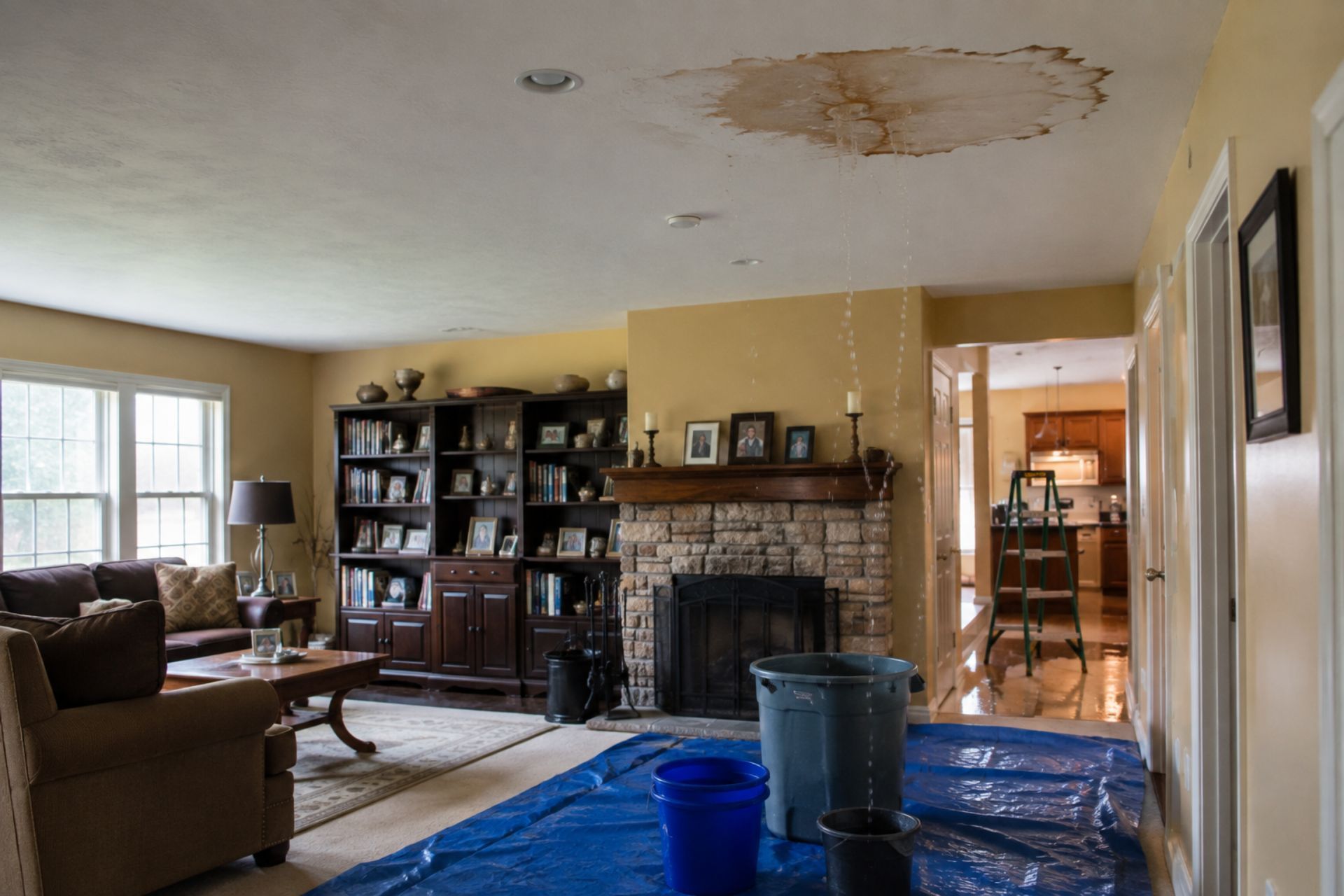
A tree crashes through your roof during a summer thunderstorm in Allentown, sending water pouring into your living room. Your first instinct is to call your insurance company, but then doubt creeps in: will they actually pay for this? Whether homeowners insurance covers roof leaks in Pennsylvania depends on a handful of critical factors, and the answer is rarely a simple yes or no.
Pennsylvania homeowners have seen their real insurance premiums climb by 28.9 percent in recent years, making it more important than ever to understand exactly what your policy does and doesn't cover. The difference between a fully covered claim and a denied one often comes down to what caused the leak, how old your roof is, and whether you've kept up with basic maintenance. Getting this wrong can mean paying $8,500 or more out of pocket for a roof replacement you assumed was covered.
This guide breaks down the specifics of roof leak coverage for PA homeowners, from the types of damage insurers will pay for to the scenarios that almost always lead to denial. If you've ever wondered whether your policy would protect you when water starts dripping through the ceiling, the answers are here.
Understanding Roof Leak Coverage in Pennsylvania
Pennsylvania homeowners insurance policies generally cover roof damage caused by sudden, unexpected events. That said, the type of policy you carry and the nature of the damage both play a major role in determining whether your claim gets approved or rejected. Two key distinctions shape every roof leak claim in the state.
Open Perils vs. Named Perils Policies
An open perils policy (sometimes called "all-risk") covers your roof against any cause of damage unless the policy specifically excludes it. This is the broader, more protective option. If a cause of damage isn't listed as an exclusion, you're covered.
A named perils policy works in the opposite direction. It only covers causes of damage that are specifically listed in the policy, such as fire, windstorms, hail, or falling objects. If the cause of your roof leak isn't on the list, the insurer won't pay. Most standard HO-3 policies in Pennsylvania treat the dwelling (including your roof) under open perils coverage, which gives homeowners wider protection. Still, it's worth checking your declarations page to confirm which type you carry.
Sudden and Accidental vs. Gradual Damage
This is where most roof leak claims in PA succeed or fail. Insurance is designed to cover sudden and accidental damage, meaning something unexpected happened that caused the leak. A branch falling on your roof during a storm qualifies. A pipe bursting inside a wall and soaking through the ceiling qualifies.
Gradual damage is a different story entirely. If your roof has been slowly deteriorating over months or years, and water has been seeping in because shingles cracked from age or flashing corroded over time, your insurer will almost certainly deny the claim. The logic is straightforward: insurance covers accidents, not the natural aging of your home. Pennsylvania insurers look closely at maintenance records and the timeline of damage when evaluating these claims.
Common Causes of Covered Roof Damage in PA
Not every roof leak triggers a valid insurance claim, but several common scenarios do qualify for coverage under most Pennsylvania homeowners policies. Understanding which events your insurer considers covered helps you know when to file and when to handle repairs yourself.
Severe Storms and High Wind Impact
Pennsylvania sees its share of severe weather, from nor'easters along the eastern half of the state to powerful thunderstorms in the summer months. High winds can tear shingles off your roof, expose underlayment, and create entry points for water. Wind-driven rain that enters through storm-created openings is typically covered.
The key detail here is that the wind must actually damage the roof first. If rain leaks through a pre-existing gap that had nothing to do with the storm, your insurer will flag it as a maintenance issue. Documenting storm damage immediately with photos and a professional inspection strengthens your claim considerably.
Hail Damage and Falling Objects
Hailstorms can crack, dent, or dislodge shingles across an entire roof surface. Even if the damage isn't visible from the ground, hail impact weakens the protective granule layer on asphalt shingles, leading to leaks weeks or months later. Most PA policies cover hail damage as a named peril.
Falling objects, such as tree limbs, are also covered under standard policies. If a neighbor's oak tree drops a branch onto your roof during a storm, your dwelling coverage applies. You don't need to prove the tree was diseased or that the neighbor was negligent. The state's guidance on filing insurance claims for storm damage recommends contacting your insurer promptly and keeping detailed records of the event.
Ice Dams and Winter Weather Weight
Pennsylvania winters bring a specific roof hazard that homeowners in warmer states don't face: ice dams. These form when heat escaping from your attic melts snow on the roof, and the meltwater refreezes at the eaves. The resulting ice barrier traps water, which backs up under shingles and leaks into your home.
Ice dam damage is generally covered because it's considered sudden and accidental. The same applies to roof damage caused by the sheer weight of snow and ice accumulating beyond what the structure can handle. One caveat: if your insurer determines that poor attic insulation or ventilation caused the ice dam, they may argue the damage was preventable and reduce or deny the claim.
When Your Insurance Claim Might Be Denied
Understanding why claims get denied is just as valuable as knowing what's covered. Two factors account for the majority of roof leak claim denials in Pennsylvania.
Lack of Maintenance and General Wear
Your insurance company expects you to maintain your roof. If an adjuster inspects the damage and finds moss growth, curling shingles, deteriorated flashing, or clogged gutters, they'll likely attribute the leak to neglect rather than a covered event. This is the single most common reason roof leak claims get denied.
PA insurers distinguish between a roof that failed because of a storm and a roof that was already failing and happened to leak during a storm. Regular inspections, gutter cleaning, and prompt minor repairs create a paper trail showing you've done your part. That documentation can make the difference between approval and denial.
The Age of the Roof Factor
Roof age doesn't automatically disqualify you from coverage, but it changes how your claim is valued and how closely the insurer scrutinizes it. Most asphalt shingle roofs in Pennsylvania last 20 to 25 years. If your roof is approaching or past that lifespan, insurers may apply depreciation to your payout or investigate more aggressively for pre-existing wear.
Some insurers in PA now require roof inspections before issuing or renewing policies on homes with roofs older than 15 to 20 years. Pennsylvania's 25 percent roof rule also affects replacement decisions, as local building codes may require a full replacement rather than a patch if more than 25 percent of the roof surface needs repair.
Coverage Comparison: Repair vs. Replacement
How your insurer calculates your payout depends on whether your policy uses actual cash value (ACV) or replacement cost value (RCV). This distinction can mean thousands of dollars in out-of-pocket costs.
Actual Cash Value vs. Replacement Cost Table
| Factor | Actual Cash Value (ACV) | Replacement Cost Value (RCV) |
|---|---|---|
| How it's calculated | Replacement cost minus depreciation | Full cost to repair or replace with similar materials |
| Payout on a 15-year-old roof | Significantly reduced (often 40-60% of replacement cost) | Full replacement cost, paid in stages |
| Out-of-pocket cost to you | Higher, you cover the depreciation gap | Lower, typically just your deductible |
| Premium cost | Lower monthly/annual premium | Higher monthly/annual premium |
| Best for | Newer roofs with minimal depreciation | Older roofs where depreciation would slash your payout |
The financial impact is real. A full roof replacement in Pennsylvania can cost between $8,500 and $25,000 depending on size, materials, and location. Under an ACV policy, a 15-year-old roof might only net you $5,000 to $10,000 after depreciation, leaving you to cover the rest. Pennsylvania insurers have increasingly shifted toward ACV-only policies for older roofs, so check your policy carefully before assuming you have replacement cost coverage.
The distinction between repair and full replacement in Pennsylvania also matters from a legal standpoint. If your insurer offers to pay for a patch job but the damage requires a full replacement under local building codes, you may have grounds to push back.
Common Questions About PA Roof Claims
Does insurance pay for a new roof if it's old?
It depends on the cause of damage, not the age alone. If a covered peril like a storm damaged your old roof, your insurer should pay, though an ACV policy will reduce the payout based on depreciation. An old roof that simply wears out isn't covered.
What if my roof leaks from a heavy rainstorm?
Rain alone doesn't trigger coverage. Your policy covers the leak only if wind, hail, or another covered peril damaged the roof first and allowed the rain in. A roof that leaks simply because it's old or poorly maintained won't qualify.
Will my rates go up if I file a leak claim?
Filing a single claim may increase your premium modestly, typically 5 to 15 percent. Pennsylvania homeowners have already seen rising insurance rates across the state, so weigh the claim amount against your deductible and potential rate increase before filing.
How do I prove the leak was caused by a storm?
Document everything immediately after the storm: photos of the damage, weather reports from that date, and a written inspection from a licensed roofer. An independent inspection report that ties the damage to a specific weather event gives your claim the strongest foundation.
Does insurance cover the water damage inside my house too?
Yes, in most cases. If the roof leak itself is covered, your policy's dwelling and
personal property coverage typically extends to interior damage like soaked drywall, ruined carpet, and damaged furniture. Keep receipts and take photos of all affected areas before making temporary repairs.
Protecting Your Home and Your Policy
Whether your roof leak gets covered comes down to preparation and documentation. Pennsylvania homeowners who maintain their roofs, understand their policy type, and act quickly after storm damage put themselves in the strongest position for a successful claim.
Schedule a professional roof inspection at least once a year, and always after a major storm. Keep records of every repair, no matter how small. Review your policy's declarations page to confirm whether you have replacement cost or actual cash value coverage, and consider upgrading if your roof is aging. Know your deductible amount so you can make smart decisions about which claims are worth filing.
If you're facing a roof leak right now, take immediate steps to
prevent further damage: tarps, buckets, and temporary patches all count. Document everything before and after. Then contact your insurer and a licensed
Pennsylvania roofing contractor to get the claims process started. The homeowners who recover the most from roof damage are the ones who were prepared before the first drop hit the floor.
Search
Latest Posts