Hershey, Pennsylvania
Commercial Property Insurance

See How We're Different:
Call Us: 717-838-5464
A fire at a chocolate-themed gift shop on Chocolate Avenue. A burst pipe flooding a warehouse full of seasonal inventory during a February cold snap. A six-week shutdown after wind damage to a restaurant roof near Hersheypark. These aren't hypothetical scenarios for Hershey business owners: they're the kinds of claims that cross adjusters' desks every year in Dauphin County.
If you own commercial property in Hershey, Pennsylvania, you're operating in a region shaped by tourism, seasonal weather extremes, and an economy closely tied to visitor traffic. Your buildings, equipment, and inventory face risks that generic policies often fail to address. Understanding how
commercial property insurance works in this specific market, from building coverage and equipment protection to winter storm damage and business income replacement, can mean the difference between recovering from a loss and closing your doors. This guide breaks down each coverage component, compares policy forms, and addresses the climate-specific risks that Hershey businesses face. Dauphin County's tourism industry generates hundreds of millions of dollars annually, and protecting your share of that economy starts with the right insurance foundation.
Core Components of Commercial Property Insurance in Hershey
Commercial property insurance isn't a single product. It's a bundle of coverages designed to protect the physical assets your business depends on. A policy typically covers your building (if you own it), business personal property, inventory, and sometimes specialized equipment. Each component has its own valuation method, limits, and exclusions.
Hershey businesses range from hotels and restaurants catering to Hersheypark visitors to manufacturing operations, retail shops, and medical offices near Penn State Health Milton S. Hershey Medical Center. Each type of business carries a different risk profile, which means your policy needs to reflect what you actually own and what could go wrong.
Protecting Buildings and Permanent Structures
Your building coverage protects the physical structure itself: walls, roof, foundation, HVAC systems, plumbing, and permanently installed fixtures. If you own the building, this is typically the largest line item on your policy.
Two valuation methods dominate. Replacement cost coverage pays to rebuild or repair your structure using materials of similar kind and quality, without deducting for depreciation. Actual cash value coverage subtracts depreciation, which can leave you significantly short on older buildings. A 30-year-old retail building on East Chocolate Avenue might have a replacement cost of $1.2 million but an actual cash value of only $700,000 after depreciation. That $500,000 gap comes out of your pocket if you carry the wrong valuation.
Building coverage also extends to outdoor fixtures, fencing, signage, and attached structures like loading docks. If you've made tenant improvements to a leased space, you'll need to insure those separately since the landlord's policy won't cover your build-out.
Coverage for Business Personal Property and Inventory
Business personal property includes everything inside your building that isn't part of the structure itself: furniture, computers, point-of-sale systems, shelving, and stock. For retail businesses near Hershey's tourist corridor, inventory values can swing dramatically by season. A candy shop might carry $50,000 in stock during January but $200,000 heading into the summer tourist season.
Your policy limit needs to reflect peak inventory values, not averages. One common mistake is setting limits based on a slow month and then suffering a loss during high season. Seasonal endorsements or peak inventory clauses can help bridge this gap without forcing you to pay year-round premiums on your highest stock levels.
Specialized Equipment and Machinery Breakdown
Standard property policies cover damage from fire, wind, and other named perils, but they typically exclude mechanical or electrical breakdown. If your business relies on commercial ovens, refrigeration units, CNC machines, or industrial mixers, a machinery breakdown endorsement fills that gap.
This coverage pays for repairs or replacement when equipment fails due to electrical surge, motor burnout, or mechanical malfunction. It also covers the cost of spoiled goods: a critical add-on for Hershey-area food service and hospitality businesses where a failed walk-in cooler can destroy thousands of dollars in perishable inventory overnight.


By: Tyler Reitz
Managing Principal of Bowmans Insurance
Comparing Coverage Levels for Pennsylvania Businesses
Not all property policies offer the same breadth of protection. The two most common policy forms are Basic (or Named Perils) and Special Form (sometimes called Open Perils or All-Risk). Understanding the difference is essential before you sign anything.
Chart: Basic vs. Special Form Coverage Comparison
| Feature | Basic Form (Named Perils) | Special Form (Open Perils) |
|---|---|---|
| What's covered | Only perils specifically listed in the policy | All perils except those specifically excluded |
| Burden of proof | You must prove the cause of loss is a named peril | Insurer must prove an exclusion applies |
| Typical perils included | Fire, lightning, windstorm, hail, explosion, smoke, vandalism | All of the above plus collapse, water damage, falling objects, weight of ice/snow, and more |
| Common exclusions | Flood, earthquake, wear and tear | Flood, earthquake, wear and tear, government action |
| Best for | Budget-conscious businesses with lower risk profiles | Most businesses, especially those with significant assets |
| Premium difference | Lower | Typically 15%-30% higher |
For most Hershey businesses, Special Form coverage is worth the premium difference. The broader protection and shifted burden of proof give you a significant advantage during claims. Some commercial property asset types have
seen pricing decreases of 10% to 20% in 2026 as surplus line insurers expanded capacity, making Special Form coverage more accessible than it was just two years ago.
Managing Risks Unique to the Hershey Climate
Hershey sits in south-central Pennsylvania, where winters bring freezing temperatures, heavy snowfall, and ice storms. The region's natural disaster risk profile includes significant exposure to winter weather events, and these hazards create specific property insurance concerns that businesses in milder climates don't face.
Winter Storm Damage: Snow Load and Ice Dams
Heavy snow accumulation on flat or low-slope commercial roofs can exceed structural load limits. A single nor'easter can dump 12 to 18 inches of wet snow, putting thousands of pounds of pressure per square foot on your roof. Older buildings and metal-frame structures are particularly vulnerable.
Ice dams form when heat escaping from the building melts snow on the roof, which then refreezes at the eaves. Water backs up behind the dam and seeps under roofing materials, causing interior water damage that may not be visible for weeks. Special Form policies generally cover this type of damage, but Basic Form policies may not. Check your policy language carefully, and ask your agent specifically about ice dam coverage.
Preventive measures matter too. Insurers look favorably on businesses that maintain proper roof insulation, schedule regular snow removal, and install heat cables along vulnerable roof edges. These steps can reduce both your risk and your premium.
Pipe Bursts and Water Damage Prevention
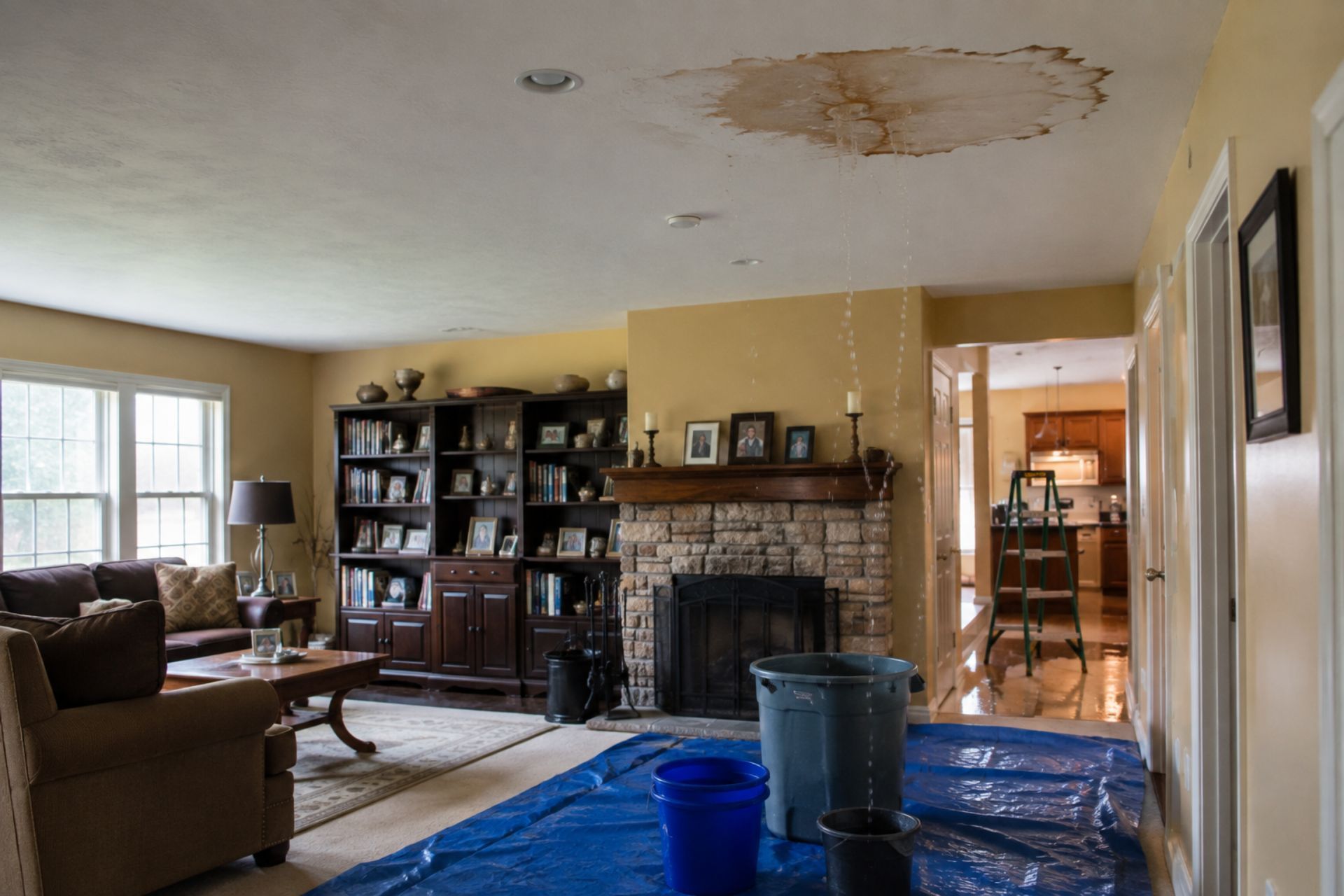
Frozen pipes are one of the most common and costly winter claims in Pennsylvania. A single burst pipe can release hundreds of gallons of water per hour, destroying drywall, flooring, inventory, and electronics. The average commercial pipe burst claim runs $50,000 to $100,000, and severe cases can exceed that by a wide margin.
Your policy likely covers pipe bursts, but most policies include a maintenance condition: you must maintain adequate heat in the building and take reasonable steps to prevent freezing. If you shut off the heat in an unoccupied building over a holiday weekend and pipes freeze, your insurer may deny the claim. Smart precautions include installing temperature monitoring sensors, keeping thermostats at 55 degrees or higher in unoccupied spaces, and insulating exposed pipes in exterior walls and crawl spaces.
Pennsylvania's insurance department has been active in consumer protection efforts, including flood preparedness and property insurance oversight, which benefits commercial policyholders across the state.
Safeguarding Your Cash Flow with Business Income Coverage
Physical damage to your property is only half the problem. The real financial threat for many businesses is the income they lose while repairs are underway. Business income coverage, sometimes called business interruption insurance, replaces lost revenue and covers continuing expenses during the restoration period.
Replacing Lost Revenue During Repairs
Business income coverage pays the net income your business would have earned if the loss hadn't occurred. It also covers fixed expenses that continue during the shutdown: rent, loan payments, payroll for key employees, utilities, and taxes. The coverage period typically runs from the date of the loss until your property is repaired and operations resume, or until the policy's time limit expires, whichever comes first.
For Hershey businesses tied to the tourism calendar, timing matters enormously. A fire that shuts down a hotel in March might cost two months of modest off-season revenue. The same fire in May could wipe out your entire summer season, potentially $300,000 to $500,000 or more in lost income. Your business income limit should reflect your worst-case scenario, not your average month.
Extra Expense Coverage for Temporary Relocation
Sometimes you can keep operating during repairs, but only if you're willing to spend money on a temporary location, expedited shipping, or rental equipment. Extra expense coverage pays these additional costs so you can maintain customer relationships and revenue while your primary location is being restored.
A restaurant that rents a food truck and temporary kitchen space while its dining room is rebuilt, or a retail shop that sets up in a temporary storefront: these are real expenses that extra expense coverage handles. Without it, you're choosing between going dark for months or paying out of pocket to stay open.
Common Questions from Hershey Business Owners
FAQ: Cost, Policy Limits, and Deductibles
How much does commercial property insurance cost in Hershey? Premiums vary based on building construction, age, occupancy type, and claims history. A small retail shop might pay $1,500 to $3,000 annually, while a mid-size hotel could pay $15,000 to $30,000 or more. Recent market conditions have brought some relief to commercial property pricing in 2026.
What deductible should I choose? Higher deductibles lower your premium but increase your out-of-pocket cost per claim. Most small businesses choose deductibles between $1,000 and $5,000. Wind and hail deductibles in Pennsylvania are often set as a percentage of the building's insured value, typically 1% to 5%.
Does my policy cover flood damage? No. Standard commercial property policies exclude flood. You'll need a separate flood policy through the National Flood Insurance Program or a private insurer. Parts of Hershey near Spring Creek and the Swatara Creek corridor sit in FEMA-designated flood zones.
What about sewer backup? Sewer and drain backup is also excluded from most standard policies but can be added as an endorsement, usually for a modest additional premium. Given Hershey's aging infrastructure in some areas, this endorsement is worth the cost.
How often should I review my policy limits? At least annually, and any time you make significant purchases, renovations, or changes to your operations. Construction costs have risen sharply since 2020, and many businesses are underinsured without realizing it.
Can the Pennsylvania Insurance Department help if my claim is denied? Yes. The department has blocked over 100 excessive rate filings and actively investigates consumer complaints. Filing a complaint is free and can prompt a formal review of your claim.
Before You Buy a Policy
Getting the right commercial property coverage in Hershey means understanding what you own, what could go wrong, and how long you can afford to be out of business. Start by getting a current replacement cost appraisal for your building. Review your inventory at its peak seasonal value. Ask your agent specifically about ice dam coverage, pipe burst conditions, and business income limits.
Don't treat your property policy as a set-it-and-forget-it purchase. Review it every year, especially after renovations or major equipment purchases. Construction costs, inventory values, and revenue projections change, and your coverage needs to keep pace.
Work with an agent who understands Hershey's local risks: the winter weather patterns, the tourism-driven revenue swings, and the specific building stock in the area. A generic quote from an online platform won't account for these details. The right policy protects not just your property but your ability to keep earning a living from it.
ABOUT THE AUTHOR:
TYLER REITZ, CIC, CPCU, ARM, AU
As Managing Principal of Bowmans Insurance, I’m passionate about helping businesses and individuals protect what matters most with clarity and confidence. With advanced designations including CIC, CPCU, ARM, and AU, I bring a comprehensive approach to risk management—ensuring every client receives strategic, reliable, and personalized coverage.
Contact Us
Why Work With Us?
Why Choose Bowman Insurance Group for Personal Insurance?


Choice and Transparency
Bowman Insurance Group works for you, not the insurance providers. We offer a wide selection of policies from reputable insurers, giving you options that suit your unique needs. We prioritize clarity and honesty, ensuring you understand each policy’s benefits and limitations.


Your Personal Advocate
Our team is committed to more than policy sales—we’re here to serve as your advocate. We balance your coverage needs with affordability, working to provide you with the best value without compromise. Every decision we support is made with your best interests in mind.


Expert Guidance for Life
Insurance can feel complex, but we’re here to make it simple. With years of experience, our advisors explain policies clearly and keep you informed of relevant changes. You’ll receive consistent support from trusted professionals who understand your needs and are dedicated to helping you make informed choices.
About Bowman's Insurance Group
Over 100 years Delivering Exceptional Service to Our Community
Personal Insurance Coverage in Pennsylvania
Personal Insurance Solutions in Pennsylvania
Home
Insurance
Auto
Insurance
Umbrella
Insurance
Condo
Insurance
Boat
Insurance
Motorcycle Insurance
RV
Insurance
ATV
Insurance
Insurance Client Reviews
Read our
customer reviews


40+
Insurance Partners
98%
Client Retention Rate
100
Years in Business
98%
Satisfaction Rate
Process of Working With A Personal Insurance Agent in Pennsylvania

Step 1: Initial Assessment
Our process begins with a comprehensive review of your personal insurance needs. We’ll assess factors like your lifestyle, family needs, and assets, so you get the coverage that best suits your unique situation.
Step 2: Customized Consultation
Meet with our knowledgeable agents one-on-one to discuss options tailored to your requirements. We aim to clarify your choices and recommend the most suitable coverage, considering both quality and affordability.
Step 3: Policy Selection & Activation
Once we identify the right coverage, we’ll handle the paperwork and activate your policy. Our team ensures a smooth, straightforward process, giving you confidence and peace of mind in your coverage.
Our Experts
Meet Our Team of Professional Insurance Experts
Tyler Reitz CIC, CPCU, ARM, AU
President
Carmen Donachy, CISR
Treasurer and Customer Service Rep
Brian Brassell, CSA, CRPC
Investment Advisor Representative, Director of Financial Services Division
Kassie Swope, CIC, CISR, AINS
Commercial Department Manager
Our News & Blogs
Latest insurance news & blogs