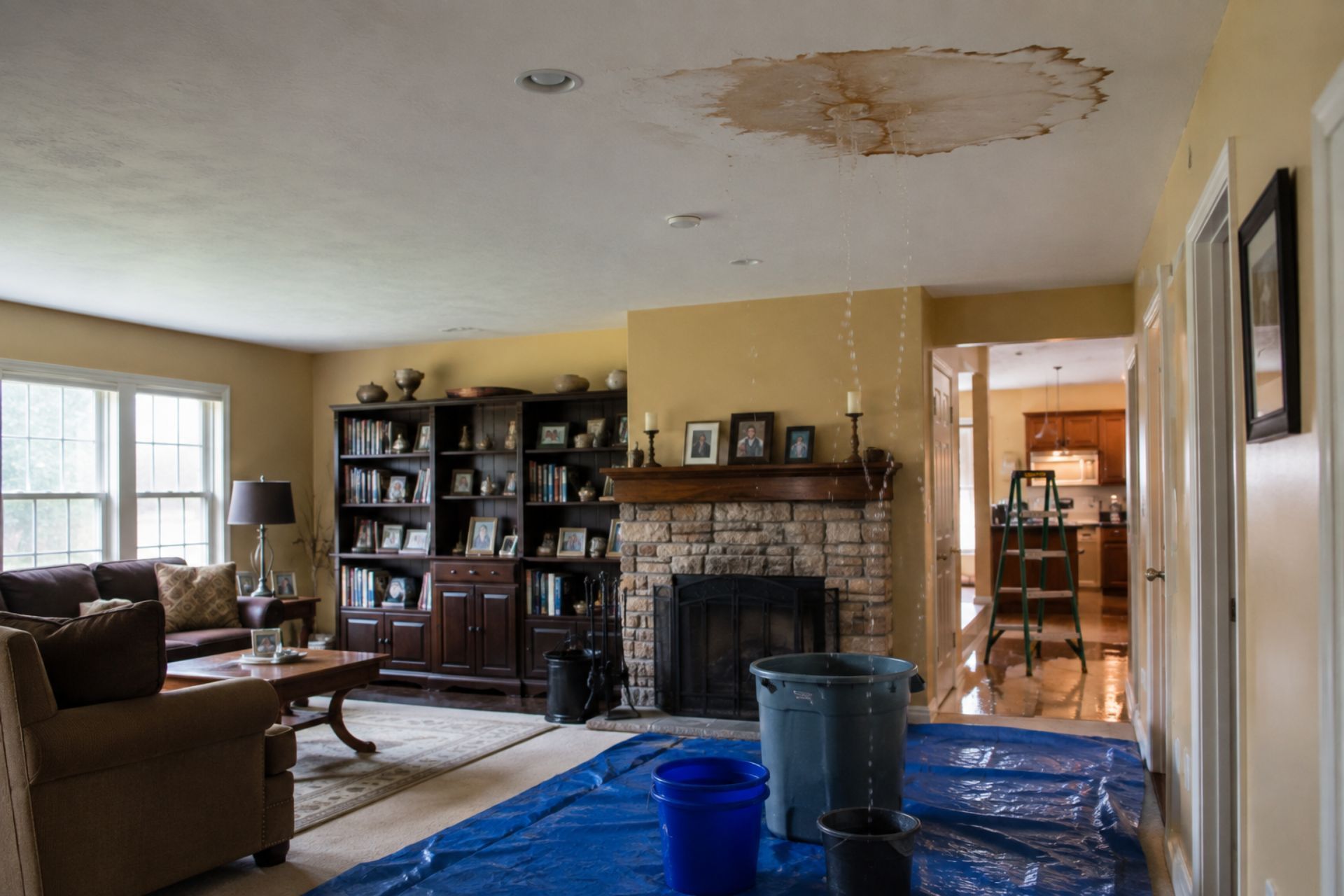

Picture a Saturday morning on Cumberland Street in downtown Lebanon. A customer slips on a wet entryway at your shop, breaks a wrist, and three months later you receive a demand letter for $85,000 covering medical bills, lost wages, and pain and suffering. Your general liability policy handles it. Your competitor two blocks over didn't renew theirs to save a few hundred dollars, and now they're negotiating a payment plan with a personal injury attorney.
That gap between "covered" and "exposed" is what this guide is about. Lebanon County's economy is a working mix. Food processors and manufacturers sit along Route 422, contractors serve the growing suburbs toward Palmyra and Annville, and family retailers and restaurants anchor the downtown corridors. Each of these businesses carries different risks, and the policies that protect them don't come in one-size-fits-all packages.
What follows is a practical breakdown of
business insurance in Lebanon, PA: what each major coverage does, where owners typically get burned, what Pennsylvania law actually requires, and what drives your premium up or down in 2026. No sales pitch, just the information you need to have a smarter conversation with your agent.
Protecting Your Lebanon Business in the Central PA Market
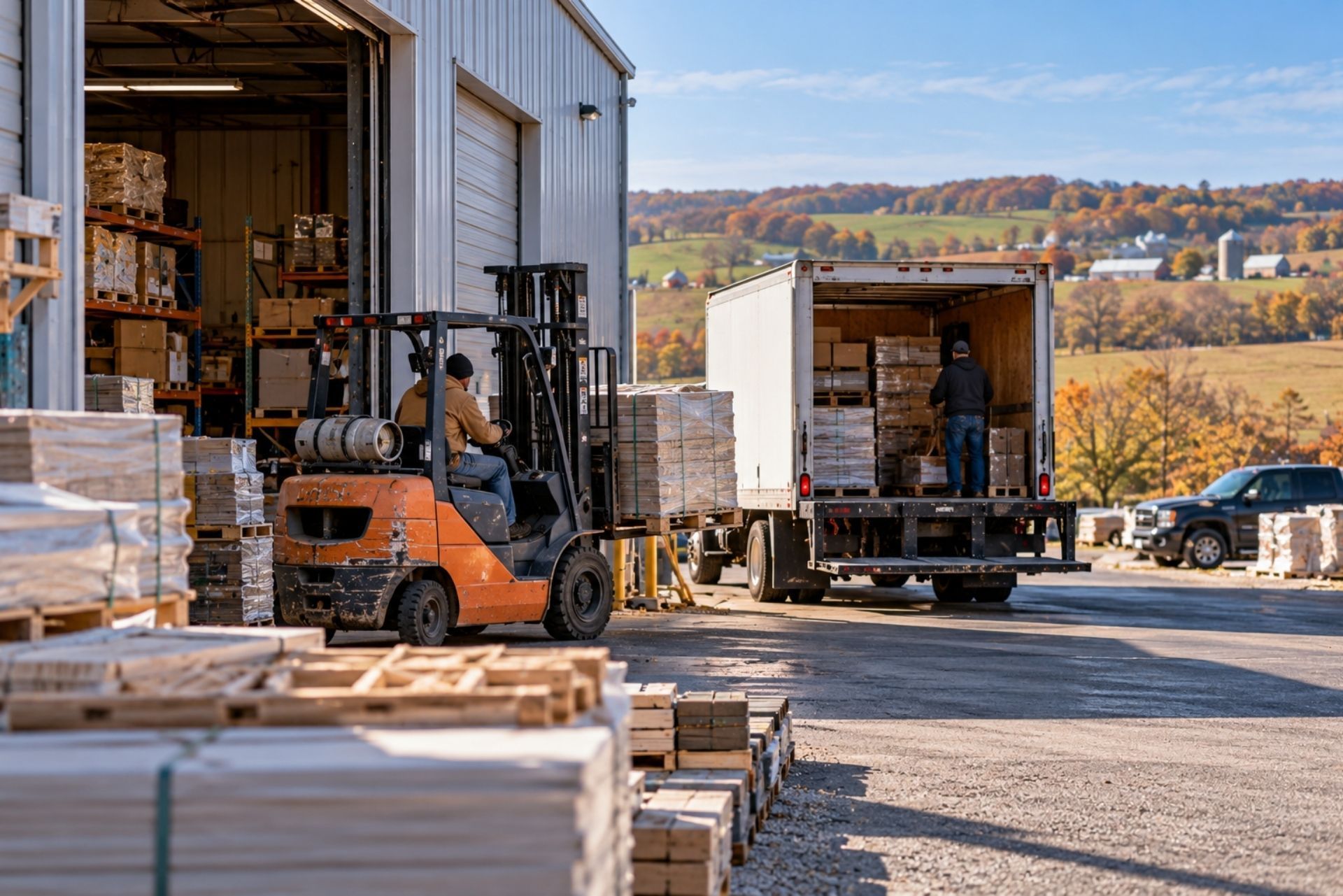
Lebanon sits in a part of Pennsylvania where risk is quieter than in Philadelphia or Pittsburgh, but it's not absent. Insurers see a steady stream of claims from slip-and-falls at retail storefronts, delivery van accidents on Route 72, and water damage tied to the Quittapahilla and Swatara watersheds. Agricultural operations and food processors face spoilage, equipment breakdown, and seasonal labor injuries.
Here's what that means for you: your coverage should reflect what you actually do, not what a generic "small business package" assumes you do. A bakery in Myerstown and an HVAC contractor in Cornwall might both have five employees and similar revenue. Their risk profiles look nothing alike.
The market is also shifting in your favor right now. Global
commercial property insurance rates
fell 10% in the third quarter of 2026, the ninth straight quarterly decline, and analysts describe conditions as a buyer's market. That doesn't mean every Lebanon business will see a lower bill. It does mean you have more room to negotiate, shop carriers, and push for broader terms than you did two or three years ago.

By: Tyler Reitz
Managing Principal of Bowmans Insurance
Core Coverage: General Liability and Property Insurance
Almost every Lebanon business needs these two policies. They're often bundled together in a Business Owner's Policy (BOP), which tends to cost less than buying each separately. The catch is that BOPs have eligibility limits based on size, revenue, and industry, so larger manufacturers or higher-risk contractors may need standalone policies.
Understanding General Liability for Local Foot Traffic
General liability covers claims that your business caused bodily injury or property damage to someone else. It also typically includes personal and advertising injury, such as a defamation claim or an accusation that your marketing used someone's copyrighted image.
For storefronts along Cumberland Street or in the Lebanon Valley Mall area, foot traffic is the primary exposure. Think icy sidewalks in February, a loose floor mat, or a display shelf that tips over. For contractors, the risk follows you to the job site: a plumber who floods a homeowner's finished basement in South Lebanon Township is looking at a property damage claim, not a slip-and-fall.
One thing to keep in mind: general liability does not cover your own employees' injuries, damage to your own property, or professional mistakes. Most owners don't realize that last point until a client sues over bad advice or a design error. That's an errors and omissions (E&O) exposure, and it requires a separate policy.
Securing Your Physical Assets and Inventory
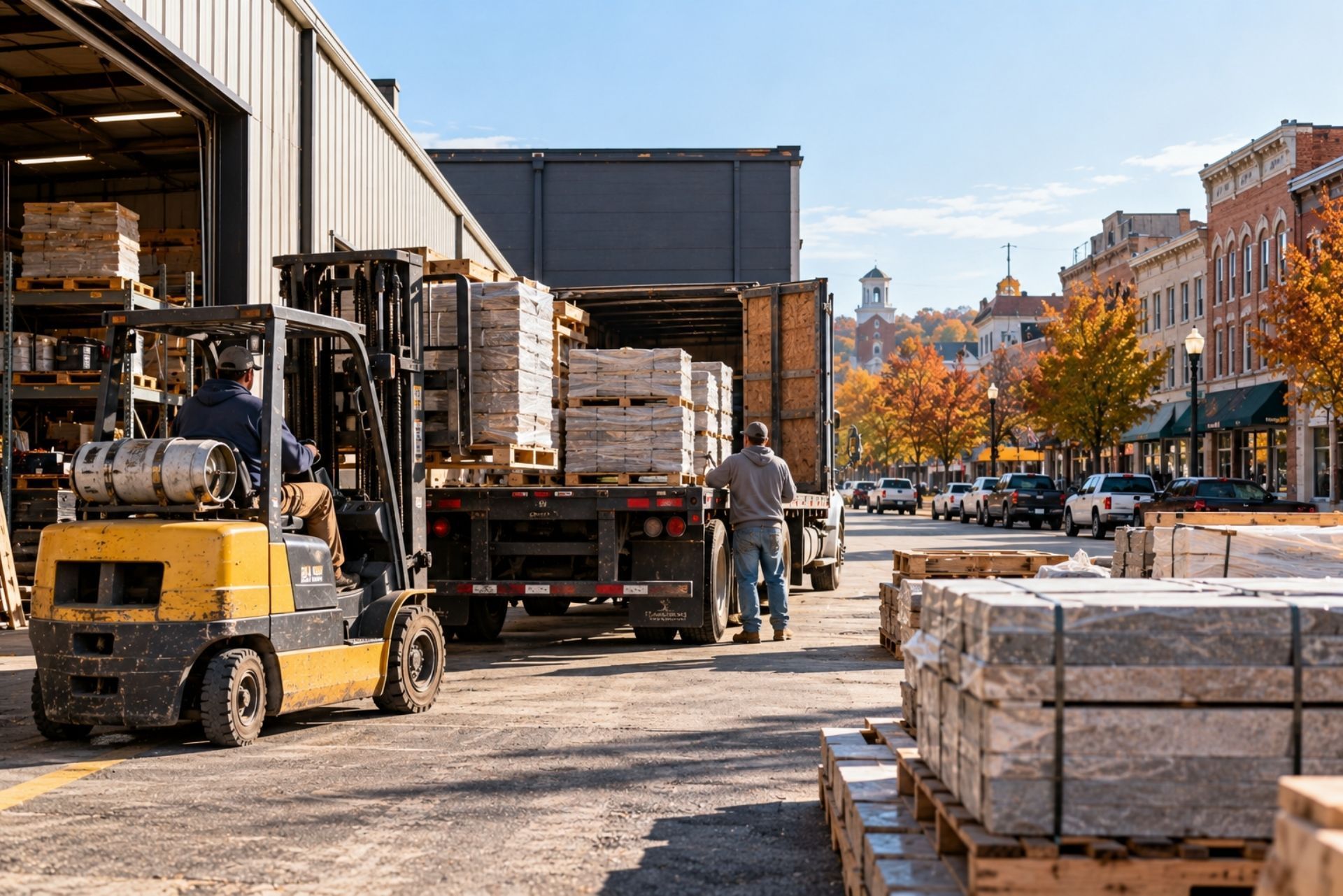
Commercial property insurance protects your building (if you own it), equipment, furniture, inventory, and improvements you've made to a leased space. A fire at a Lebanon machine shop can wipe out $300,000 in CNC equipment overnight. Without coverage, that's often the end of the business.
Pay close attention to these policy details:
- Replacement cost vs. actual cash value: Actual cash value subtracts depreciation, so a 10-year-old walk-in cooler might pay out a fraction of what a new one costs.
- Business income coverage: This replaces lost revenue while you're shut down after a covered loss. Many owners skip it and regret it.
- Flood exclusion: Standard property policies exclude flood. If you're near the Quittapahilla or in a low-lying area, you need separate flood coverage.
Flood awareness is getting more attention statewide. In October 2026, Governor Shapiro signed House Bill 1704, which
strengthens flood risk disclosure requirements for Pennsylvania property buyers. If you're purchasing commercial real estate in Lebanon County, use those disclosures to price flood coverage before closing.
Commercial Auto and Workers' Comp Requirements in Pennsylvania
These two coverages share something important: Pennsylvania requires them in most situations, and gaps can create legal trouble on top of financial trouble.
Commercial auto covers vehicles your business owns, leases, or uses for work. Your personal auto policy almost certainly excludes business use beyond basic commuting. Here's a common war story. A Lebanon landscaper's employee rear-ends a car on Route 422 while hauling a trailer in the employee's own pickup. The personal carrier denies the claim because the truck was being used for business. The injured driver then goes after the landscaping company directly.
That scenario is why hired and non-owned auto (HNOA) coverage exists. It protects your business when employees drive their own vehicles or rented vehicles for work errands. It's inexpensive and often added to a general liability policy or BOP. If anyone on your team ever makes a supply run or a bank deposit in their own car, you want it.
Pennsylvania also requires liability coverage on any vehicle registered in the state, and commercial vehicles hauling for hire across state lines may face federal filing requirements. Ask your agent to confirm limits based on your fleet size, cargo, and contracts. Many commercial clients and municipalities require higher limits than the state minimum before they'll sign a contract with you.
PA State Mandates for Workers' Compensation
Pennsylvania requires nearly every employer to carry workers' compensation, including businesses with a single part-time employee. There are narrow exceptions, such as certain agricultural workers and some exempt executive officers, but most Lebanon businesses don't qualify. Operating without required coverage can lead to criminal penalties and leaves you personally liable for injured workers' medical bills and lost wages.
For 2026, the Pennsylvania Statewide Average Weekly Wage is set at $1,394.00. That figure serves as the maximum weekly compensation rate for work-related injuries occurring on or after January 1, 2026. For a higher-paid warehouse supervisor or skilled tradesperson, benefits can approach that ceiling quickly.
Legislators are also looking at how long-term claims work. Proposed House Bill 2204 would
amend Section 306 of the Workers' Compensation Act on how impairment is determined and when medical examinations are required after 104 weeks of disability. It's still a proposal, so you can
track the bill's status if you have employees on extended claims.
Addressing Modern Risks with Cyber Liability Insurance
Small businesses in Lebanon often assume hackers only target big companies. That assumption is wrong. Criminals favor small firms because they usually have weaker defenses and fewer IT staff.
Here's a realistic example. A Lebanon accounting office's bookkeeper clicks a fake invoice email. Ransomware locks the client files during tax season. The firm faces forensic investigation costs, client notification under Pennsylvania's data breach law, legal fees, lost billable hours, and possibly a ransom demand. Without coverage, the total can easily reach $150,000 or more.
A solid cyber policy typically covers:
- Breach response: Forensics, legal counsel, and customer notification costs.
- Business interruption: Lost income while systems are down.
- Cyber extortion: Ransom negotiation and payments, subject to policy terms.
- Third-party liability: Lawsuits from customers whose data was exposed.
- Funds transfer fraud: Losses from fake wire instructions, often a sublimit or separate endorsement.
This matters because general liability and property policies usually exclude cyber losses entirely. Read the funds transfer fraud language carefully. Many policies cap it at a low sublimit or require call-back verification procedures before they'll pay. Insurers also reward strong controls. Multi-factor authentication, offline backups, and dual approval for wire transfers can lower your premium and make you eligible for better terms.
Comparing Coverage: Basic vs. Comprehensive Protection
Most owners start with the minimum and add coverage as they grow. That's reasonable, but you should know exactly what you're leaving uncovered. This table compares a basic package with a more comprehensive setup for a typical small Lebanon business.
| Coverage Area | Basic Protection | Comprehensive Protection |
|---|---|---|
| General Liability | Standard limits, no extras | Higher limits plus umbrella policy |
| Property | Actual cash value | Replacement cost plus business income |
| Commercial Auto | Owned vehicles only | Owned plus hired and non-owned auto |
| Workers' Comp | State-required coverage | Required coverage plus employer's liability review |
| Cyber | Not included | Breach response, extortion, fraud coverage |
| Flood | Excluded | Separate flood policy |
| Equipment Breakdown | Often excluded | Added endorsement |
The basic column keeps you legal and covers the most frequent claims. The comprehensive column protects you from the less frequent but larger losses that actually close businesses.
A commercial umbrella policy deserves special mention. It sits on top of your general liability, auto, and employer's liability coverage and kicks in when a claim exceeds those limits. A serious trucking accident or a catastrophic injury on your premises can produce a six-figure or seven-figure verdict. Umbrella coverage is usually one of the most cost-effective ways to close that gap.
Factors Influencing Business Insurance Costs in Lebanon
There's no honest flat-rate answer to "what will my insurance cost?" Carriers price each business on its own risk profile, and two similar-looking companies can see very different quotes. What you can control is how you look to an underwriter.
The biggest factors include:
- Claims history: A clean five-year record is one of the strongest negotiating tools you have.
- Payroll and revenue: Workers' comp and general liability are often rated on these figures, so accurate estimates prevent audit surprises.
- Coverage limits and deductibles: Higher deductibles lower premiums, but only choose one you can actually pay.
- Safety and internal controls: Written safety programs, driver screening, and financial controls all signal lower risk.
- Building characteristics: Age, construction type, sprinklers, and alarm systems affect property rates.
One common mistake is underestimating payroll to get a lower workers' comp deposit. The insurer audits at year-end, and you'll owe the difference in one lump sum. That surprise bill hits small contractors hard every spring.
How Industry and Location Impact Your Premiums
Your industry classification code drives a large share of your pricing. A roofer pays far more per dollar of payroll for workers' comp than a clerical office does, because falls from height produce severe, expensive claims. A restaurant with deep fryers faces higher property rates than a retail clothing store.
Location matters within Lebanon County too. Proximity to a fire station and hydrant, local crime rates, and flood zone status all factor in. A warehouse near the creek will be priced differently than an identical building on higher ground in North Lebanon Township.
The good news is that the current soft property market gives you leverage at renewal. If your rates went up during the hard market of recent years, ask your agent to remarket your account this year.
Common Questions About Lebanon Business Insurance
Do I need business insurance if I'm a sole proprietor with no employees? Pennsylvania won't require workers' comp in that case, but you still face liability, property, and auto risks. A single lawsuit can reach your personal assets.
Does my homeowner's policy cover my home-based business? Usually not, or only minimally. Business equipment, inventory, and client visits are often excluded, so ask about a home business endorsement or a BOP.
How quickly can I get coverage? Many small businesses can get a general liability or BOP certificate within a day or two. Larger or higher-risk accounts may take longer for underwriting.
What should I do if my claim is denied or underpaid? Ask for the denial in writing and review it with your agent. A licensed public adjuster can help, and a new Pennsylvania law aims to prevent unlicensed activity and reduce excessive fees in that field.
Is cyber insurance worth it for a small shop? If you take card payments, store customer data, or send wire transfers, yes. Recovery costs alone can exceed several years of premiums.
Can I lower my premium without cutting coverage?
Often, yes. Bundling policies, raising deductibles, adding safety programs, and shopping your account in a soft market can all reduce costs.
Getting the right protection for a Lebanon business isn't about buying every policy available. It's about matching coverage to how you actually operate and closing the gaps that can sink you. General liability and property form the base. Workers' comp and commercial auto keep you compliant with Pennsylvania law. Cyber and umbrella coverage handle the larger risks most owners underestimate.
Here's a practical plan for the next 30 days:
- Pull your current policies and list every limit, deductible, and exclusion.
- Confirm your payroll and vehicle lists are accurate to avoid audit surprises.
- Check your flood exposure and whether you need separate coverage.
- Tighten internal controls like multi-factor authentication and dual wire approvals.
- Ask an independent agent to remarket your account while property rates are falling.
Before your next renewal, sit down with a local independent agent who knows Central Pennsylvania and can compare multiple carriers. The best time to find a coverage gap is before you need to file a claim.
ABOUT THE AUTHOR:
TYLER REITZ, CIC, CPCU, ARM, AU
As Managing Principal of Bowmans Insurance, I’m passionate about helping businesses and individuals protect what matters most with clarity and confidence. With advanced designations including CIC, CPCU, ARM, and AU, I bring a comprehensive approach to risk management—ensuring every client receives strategic, reliable, and personalized coverage.
Contact Us
Why Work With Us?
Why Choose Bowman Insurance Group for Personal Insurance?


Choice and Transparency
Bowman Insurance Group works for you, not the insurance providers. We offer a wide selection of policies from reputable insurers, giving you options that suit your unique needs. We prioritize clarity and honesty, ensuring you understand each policy’s benefits and limitations.


Your Personal Advocate
Our team is committed to more than policy sales—we’re here to serve as your advocate. We balance your coverage needs with affordability, working to provide you with the best value without compromise. Every decision we support is made with your best interests in mind.


Expert Guidance for Life
Insurance can feel complex, but we’re here to make it simple. With years of experience, our advisors explain policies clearly and keep you informed of relevant changes. You’ll receive consistent support from trusted professionals who understand your needs and are dedicated to helping you make informed choices.
About Bowman's Insurance Group
Over 100 years Delivering Exceptional Service to Our Community
Personal Insurance Coverage in Pennsylvania
Personal Insurance Solutions in Pennsylvania
Home
Insurance
Auto
Insurance
Umbrella
Insurance
Condo
Insurance
Boat
Insurance
Motorcycle Insurance
RV
Insurance
ATV
Insurance
Insurance Client Reviews
Read our
customer reviews


40+
Insurance Partners
98%
Client Retention Rate
100
Years in Business
98%
Satisfaction Rate
Process of Working With A Personal Insurance Agent in Pennsylvania

Step 1: Initial Assessment
Our process begins with a comprehensive review of your personal insurance needs. We’ll assess factors like your lifestyle, family needs, and assets, so you get the coverage that best suits your unique situation.
Step 2: Customized Consultation
Meet with our knowledgeable agents one-on-one to discuss options tailored to your requirements. We aim to clarify your choices and recommend the most suitable coverage, considering both quality and affordability.
Step 3: Policy Selection & Activation
Once we identify the right coverage, we’ll handle the paperwork and activate your policy. Our team ensures a smooth, straightforward process, giving you confidence and peace of mind in your coverage.
Our Experts
Meet Our Team of Professional Insurance Experts
Tyler Reitz CIC, CPCU, ARM, AU
President
Carmen Donachy, CISR
Treasurer and Customer Service Rep
Brian Brassell, CSA, CRPC
Investment Advisor Representative, Director of Financial Services Division
Kassie Swope, CIC, CISR, AINS
Commercial Department Manager
Our News & Blogs
Latest insurance news & blogs