Pennsylvania
Welding Contractor Insurance

See How We're Different:
Call Us: 717-838-5464
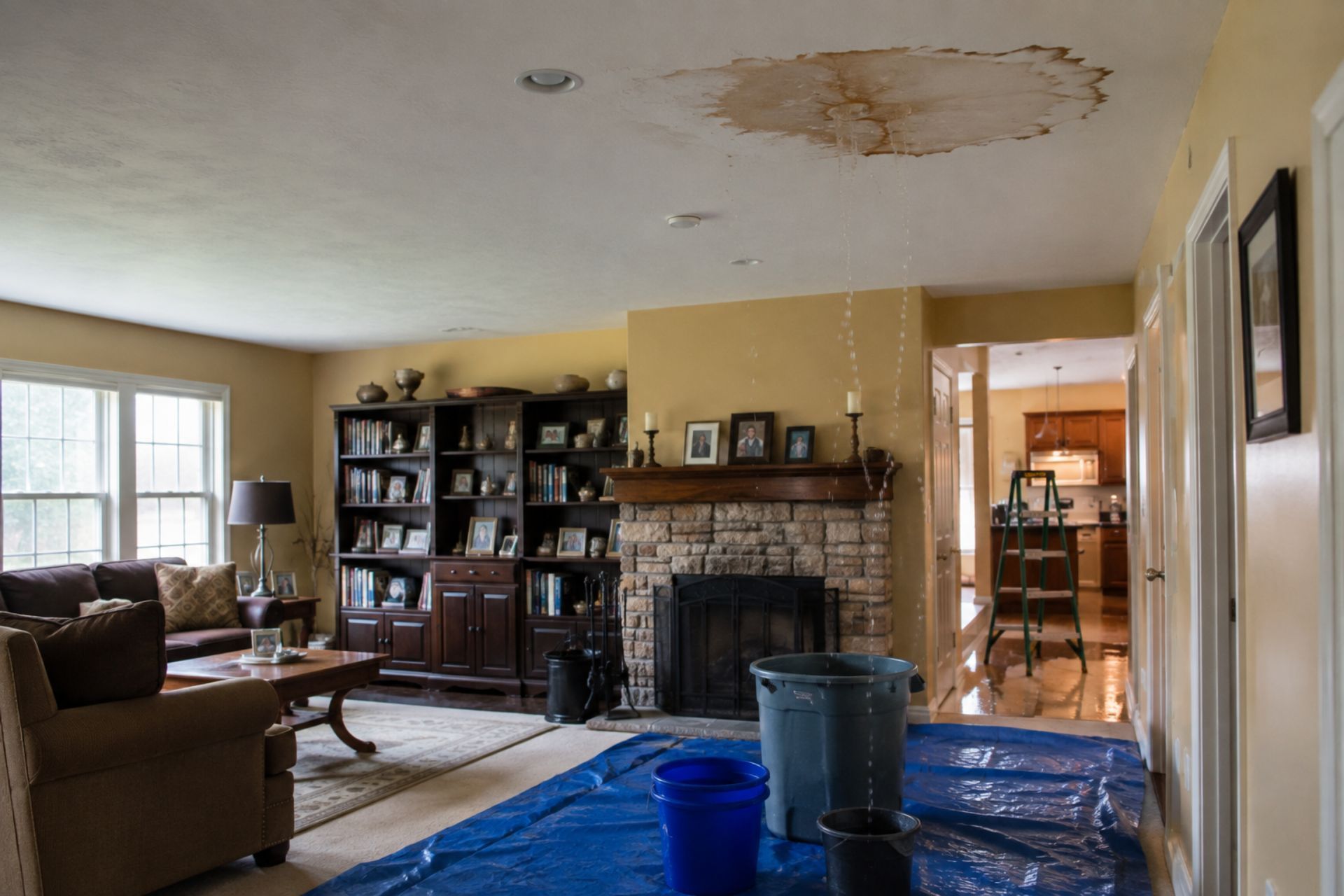
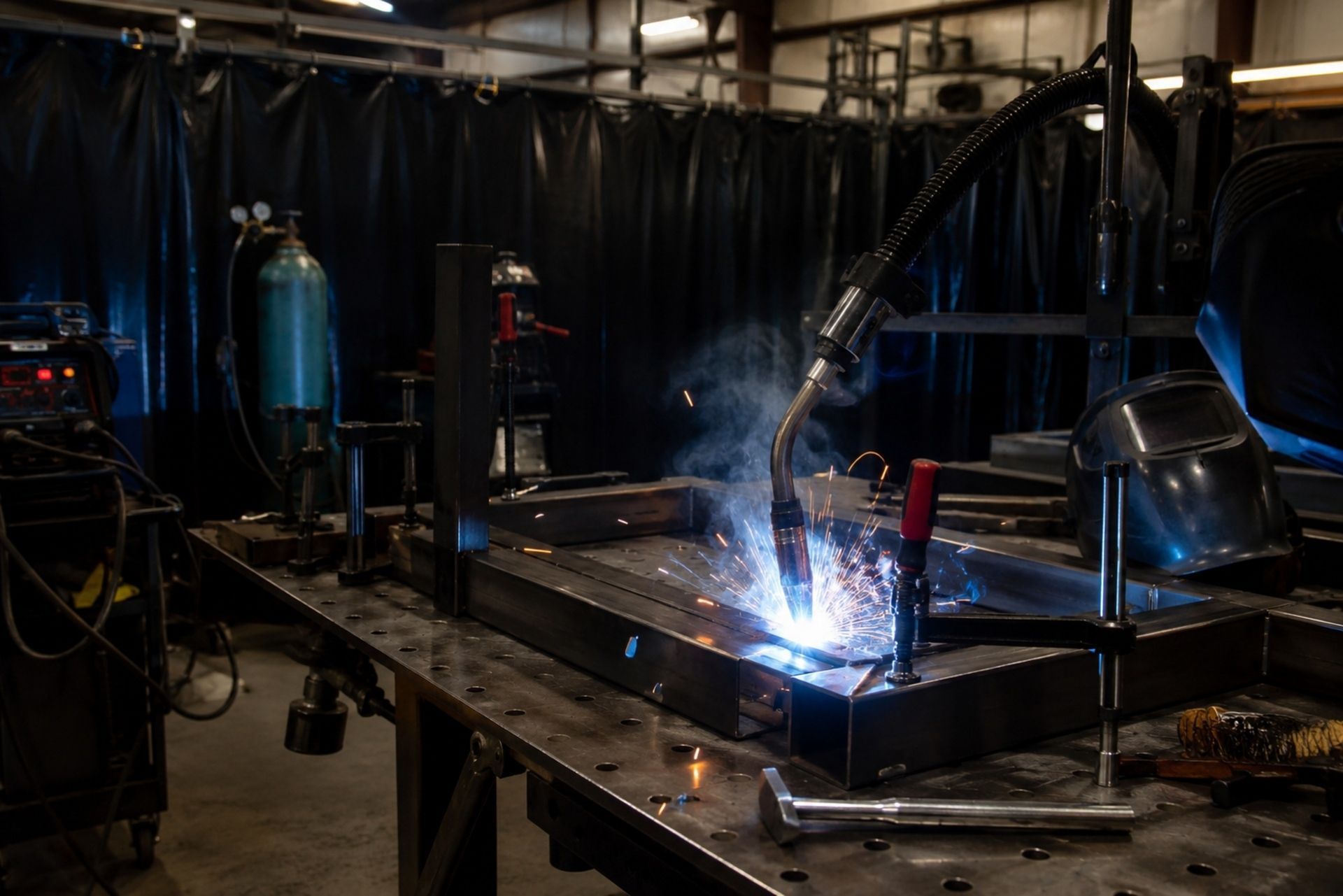
A welding shop owner in Allentown lands a $180,000 structural steel contract for a new warehouse. Three weeks into the job, a spark ignites stored materials on the client's property, causing $95,000 in fire damage. Without the right insurance, that single incident could wipe out years of profit and put the business under. This scenario plays out more often than you'd think across Pennsylvania, where welding contractors face a unique mix of fire, fume, and equipment risks that standard business policies don't fully address. Understanding your insurance coverage as a PA welding contractor isn't optional: it's the difference between surviving a bad day and closing your doors. This guide walks through the core policies you need, specialized coverages worth considering, and the real factors that drive your premium costs. Whether you run a fixed shop in Pittsburgh or a mobile rig out of Erie, the right insurance package protects your livelihood, your crew, and your clients. Pennsylvania has specific state requirements that shape how welding contractors structure their coverage, and ignoring those requirements can result in fines, lost contracts, or denied claims. The stakes are high, and the details matter. Getting a clear picture of welding contractor insurance coverage in Pennsylvania starts with knowing what the state demands and where the real gaps hide.
Core Insurance Requirements for PA Welders
Pennsylvania doesn't have a single "welding contractor license," but the state does require contractors performing work on residential properties to register under the Home Improvement Consumer Protection Act. That registration carries insurance expectations. Most general contractors and project owners won't hire you without proof of general liability, workers' compensation, and commercial auto coverage at minimum. Missing any one of these can disqualify you from bids and expose you to serious legal liability.
General Liability and Property Damage
General liability (GL) is the foundation of every welding contractor's insurance program. It covers third-party bodily injury and property damage claims that arise from your work. Think about that Allentown scenario: a fire sparked by your welding torch on a client's property falls squarely under GL coverage.
Most PA welding contractors carry $1 million per occurrence and $2 million aggregate limits. Larger commercial or municipal projects often require higher limits, sometimes $5 million or more. You can reach those thresholds by adding an umbrella or excess liability policy rather than buying a more expensive base GL policy. One common mistake is assuming your GL policy covers completed operations indefinitely. Check your policy's "products-completed operations" endorsement, because claims from faulty welds can surface months or years after you finish a job.
Pennsylvania Workers' Compensation Laws
Pennsylvania requires workers' compensation for nearly every employer, including sole proprietors who hire even one employee. The penalties for non-compliance are steep: criminal charges, fines up to $2,500 per day, and personal liability for all medical costs and lost wages.
As of January 1, 2026, the maximum weekly workers' compensation rate in Pennsylvania is $1,394.00. Your premium is calculated based on your payroll and your classification code. Welding carries higher class codes than many trades because of burn injuries, eye damage, and fume inhalation risks. Keeping a clean safety record through documented training programs and proper PPE use can earn you experience modification rate (EMR) credits that meaningfully lower your annual premium.
Commercial Auto for Mobile Welding Units
If you're running a mobile welding rig, your personal auto policy won't cover it. Commercial auto insurance is required for any vehicle used in business operations, and that includes trucks hauling welding equipment, gas cylinders, and generators. Pennsylvania mandates minimum auto liability limits, but most contractors carry $1 million in combined single-limit coverage to satisfy client contracts.
Your welding rig itself, including mounted equipment, may need a separate inland marine floater if it's not specifically scheduled on your commercial auto policy. Don't assume your truck policy covers the $40,000 worth of welding equipment bolted to the bed. Ask your agent to confirm what's covered and what isn't.

By: Tyler Reitz
Managing Principal of Bowmans Insurance
Specialized Coverage for Welding Risks
Standard GL and workers' comp policies leave significant gaps for welding contractors. The nature of your work, involving open flame, hazardous fumes, and expensive portable equipment, demands specialized endorsements or standalone policies.
Inland Marine and Equipment Floaters
Welding equipment moves. It goes from your shop to a job site, sits in a client's facility, and travels across county lines. A standard property policy only covers equipment at your listed business location. Inland marine insurance, sometimes called an equipment floater, protects your tools and machines wherever they go.
A typical welding business insurance package includes floaters for items like wire feed welders, plasma cutters, generators, and specialty torches. If you've invested $75,000 or more in portable equipment, an inland marine policy is essential. Replacement cost coverage is worth the small premium increase over actual cash value, which depreciates your gear and leaves you short when you need to replace a stolen or damaged unit fast.
Pollution Liability and Hazardous Fumes
Welding produces hexavalent chromium, manganese, and other toxic fumes. OSHA has been tightening enforcement around heat and fume exposure, and the 2026 heat hazard policy adds new inspection protocols that could increase your regulatory exposure. Standard GL policies typically exclude pollution-related claims.
A pollution liability policy covers cleanup costs, third-party bodily injury from fume exposure, and legal defense if a neighboring business or worker files a claim. This coverage is especially important for shop-based welders working in shared industrial spaces where ventilation complaints can escalate quickly.
Professional Liability for Design Services
If your welding business provides design, engineering recommendations, or fabrication consulting, you need professional liability insurance (also called errors and omissions). This covers claims arising from faulty advice, incorrect specifications, or design failures.
A structural weld that fails because of a design error you recommended is not a GL claim: it's a professional liability claim. Many welding contractors don't realize they've crossed into professional services territory until a claim lands. If you're stamping drawings, specifying materials, or advising clients on load-bearing designs, get this policy in place.
Comparing Policy Types and Coverage Limits
Choosing between standalone policies and a bundled Business Owner's Policy (BOP) depends on the size and complexity of your operation. Here's a quick comparison of common coverage structures for PA welding contractors:
| Coverage Type | Standalone Policy | BOP (Bundled) | Who Needs It |
|---|---|---|---|
| General Liability | $1M/$2M typical | Included | Every welding contractor |
| Property/Equipment | Inland marine floater | Basic property included | Mobile and shop-based |
| Workers' Comp | Required separately | Not included in BOP | Any contractor with employees |
| Commercial Auto | Required separately | Not included in BOP | Mobile welding operations |
| Pollution Liability | Standalone recommended | Rarely included | Shop and field welders |
| Professional Liability | Standalone | Not included | Design/fabrication consultants |
| Umbrella/Excess | Adds $1M-$5M+ | Not included | Larger commercial projects |
A BOP works well for small shop-based operations with limited exposure. But once you're running mobile rigs, hiring employees, or taking on structural contracts, you'll need standalone policies layered together. The construction insurance market in 2026 is showing some rate stabilization after years of increases, which means it's a reasonable time to shop your coverage and compare quotes.
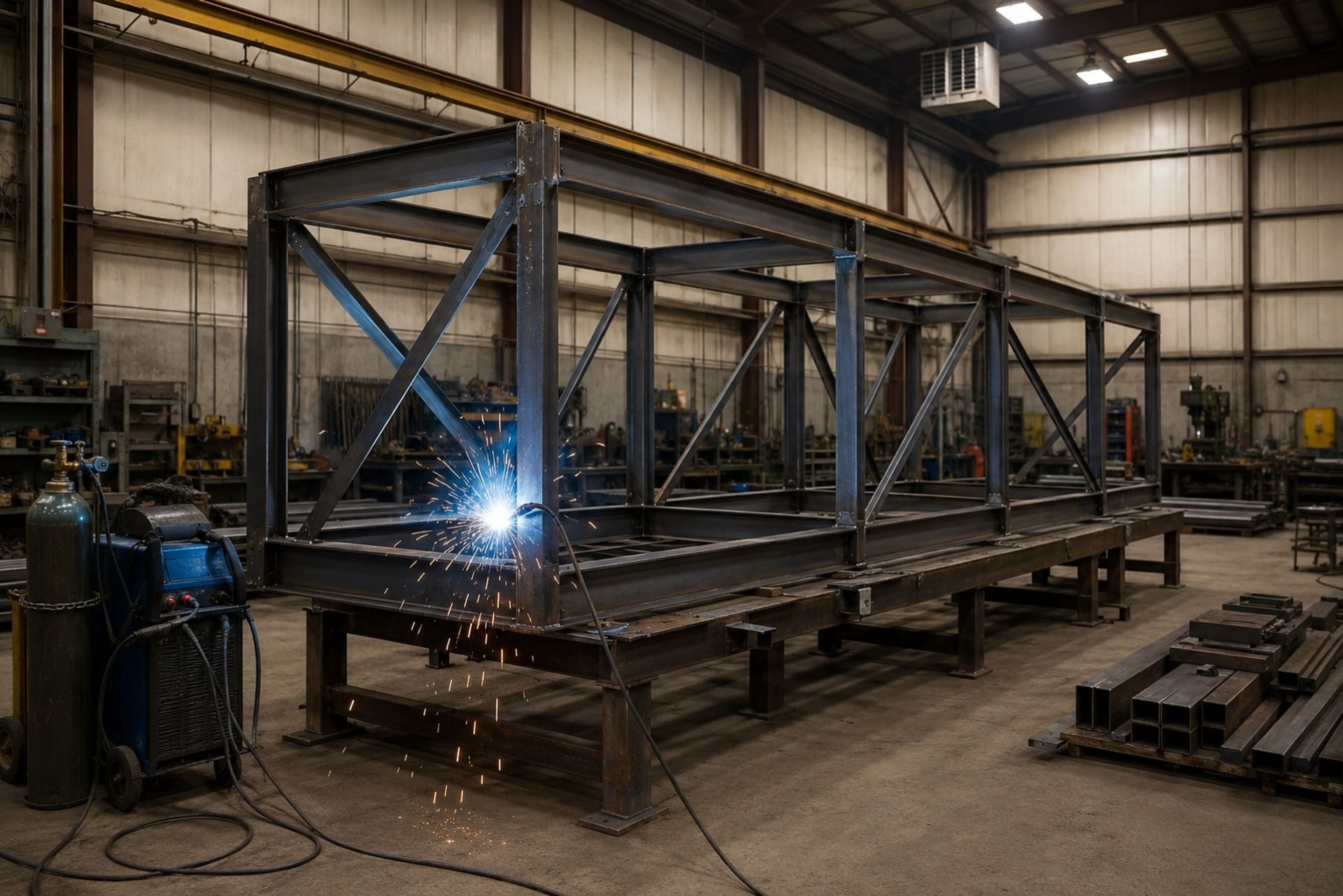
Your premium isn't just a number pulled from a chart. Insurers evaluate your specific risk profile, and two welding contractors in the same city can pay vastly different rates.
Shop-Based vs. On-Site Mobile Operations
Shop-based welders generally pay lower GL premiums because the work environment is controlled. You own the space, manage the ventilation, and limit foot traffic. Mobile welding contractors face higher rates because every job site introduces new variables: unfamiliar surroundings, other trades working nearby, and varying fire suppression setups.
The insurance requirements for Pennsylvania contractors also vary by project type. A mobile welder working on PennDOT bridge repairs needs higher limits and additional insured endorsements compared to a shop welder fabricating railings. Your operational model directly shapes your premium, so be honest with your agent about where and how you work.
Project Specific Risks: Structural vs. Ornamental
Structural welding on load-bearing steel carries more liability than ornamental or decorative work. Insurers know that a failed structural weld on a $2.3 million commercial building can trigger catastrophic claims, while a broken handrail bracket is a much smaller exposure.
If your business does both, your insurer will rate you based on the highest-risk work you perform. Some contractors separate their operations into distinct entities to isolate risk, but that strategy requires careful legal and insurance planning. The
2026 construction insurance outlook suggests that underwriters are paying closer attention to project-specific risk details, so accurate job classification on your applications matters more than ever.
Common Questions About Welding Insurance
How much does welding contractor insurance cost in Pennsylvania? Costs vary widely. A small shop-based operation might pay $3,000 to $6,000 per year for a basic GL and property package. Mobile welders with employees and commercial vehicles can expect $10,000 to $25,000 or more annually, depending on payroll, equipment value, and project types.
Do I need insurance if I'm a sole proprietor with no employees? Yes. While you can opt out of workers' comp as a sole proprietor with no employees, you still need GL coverage. Most clients and general contractors won't let you on site without it. Pennsylvania also requires commercial auto coverage for business vehicles.
Can I get insurance if I do hot work in confined spaces? You can, but expect higher premiums and possible exclusions. Confined space welding is one of the highest-risk classifications. Your insurer may require proof of confined space entry training and gas monitoring procedures before issuing coverage.
What's an "additional insured" endorsement? It's an add-on to your GL policy that extends coverage to a third party, usually the general contractor or property owner who hired you. Most commercial contracts in PA require it. The cost is minimal, typically $25 to $75 per endorsement.
Does my policy cover welding on client-owned materials? It depends on your policy's "care, custody, and control" exclusion. Many GL policies exclude damage to property you're working on directly. You may need an
installation floater or specific endorsement to cover client materials in your possession.
Making the Right Choice for Your Shop
Getting your Pennsylvania welding contractor insurance right isn't a one-time decision. Your coverage needs shift as you take on bigger projects, hire crew members, or expand into mobile operations. Review your policies annually, especially before bidding on contracts that require higher limits or specialized endorsements.
Start by working with an agent who understands construction and trade contractor risks, not a generalist who sells home and auto policies. Ask them to audit your current coverage against your actual operations. Gaps between what you do and what your policy covers are where claims get denied.
Get quotes from at least three carriers, compare not just price but coverage terms, and pay attention to exclusions. The cheapest policy is rarely the best value when a $95,000 fire claim gets denied because of a pollution or care-custody exclusion you didn't know about. Protect your business the same way you protect your welds: with precision, the right tools, and zero shortcuts.
ABOUT THE AUTHOR:
TYLER REITZ, CIC, CPCU, ARM, AU
As Managing Principal of Bowmans Insurance, I’m passionate about helping businesses and individuals protect what matters most with clarity and confidence. With advanced designations including CIC, CPCU, ARM, and AU, I bring a comprehensive approach to risk management—ensuring every client receives strategic, reliable, and personalized coverage.
Contact Us
Why Work With Us?
Why Choose Bowman Insurance Group for Personal Insurance?


Choice and Transparency
Bowman Insurance Group works for you, not the insurance providers. We offer a wide selection of policies from reputable insurers, giving you options that suit your unique needs. We prioritize clarity and honesty, ensuring you understand each policy’s benefits and limitations.


Your Personal Advocate
Our team is committed to more than policy sales—we’re here to serve as your advocate. We balance your coverage needs with affordability, working to provide you with the best value without compromise. Every decision we support is made with your best interests in mind.


Expert Guidance for Life
Insurance can feel complex, but we’re here to make it simple. With years of experience, our advisors explain policies clearly and keep you informed of relevant changes. You’ll receive consistent support from trusted professionals who understand your needs and are dedicated to helping you make informed choices.
About Bowman's Insurance Group
Over 100 years Delivering Exceptional Service to Our Community
Personal Insurance Coverage in Pennsylvania
Personal Insurance Solutions in Pennsylvania
Home
Insurance
Auto
Insurance
Umbrella
Insurance
Condo
Insurance
Boat
Insurance
Motorcycle Insurance
RV
Insurance
ATV
Insurance
Insurance Client Reviews
Read our
customer reviews


40+
Insurance Partners
98%
Client Retention Rate
100
Years in Business
98%
Satisfaction Rate
Process of Working With A Personal Insurance Agent in Pennsylvania
Step 1: Initial Assessment
Our process begins with a comprehensive review of your personal insurance needs. We’ll assess factors like your lifestyle, family needs, and assets, so you get the coverage that best suits your unique situation.
Step 2: Customized Consultation
Meet with our knowledgeable agents one-on-one to discuss options tailored to your requirements. We aim to clarify your choices and recommend the most suitable coverage, considering both quality and affordability.
Step 3: Policy Selection & Activation
Once we identify the right coverage, we’ll handle the paperwork and activate your policy. Our team ensures a smooth, straightforward process, giving you confidence and peace of mind in your coverage.
Our Experts
Meet Our Team of Professional Insurance Experts
Tyler Reitz CIC, CPCU, ARM, AU
President
Carmen Donachy, CISR
Treasurer and Customer Service Rep
Brian Brassell, CSA, CRPC
Investment Advisor Representative, Director of Financial Services Division
Kassie Swope, CIC, CISR, AINS
Commercial Department Manager
Our News & Blogs
Latest insurance news & blogs