Pennsylvania Wholesale and Importer Insurance

See How We're Different:
Call Us: 717-838-5464
A warehouse manager in Allentown discovers that a $180,000 shipment of imported electronics arrived with faulty wiring, and three retail customers have already filed complaints. Without the right insurance, that single incident could wipe out months of profit and trigger a liability claim that threatens the entire operation. Scenarios like this play out across Pennsylvania every year, affecting wholesalers and importers who move goods through one of the country's busiest logistics corridors. Understanding your insurance coverage as a Pennsylvania wholesale or import business isn't optional: it's the difference between surviving a crisis and closing your doors. This guide offers a practical overview of the insurance protections that supply chain businesses in the Keystone State need to operate with confidence, covering everything from statutory requirements to specialized endorsements for international trade.
The Role of Wholesale and Importer Insurance in Pennsylvania
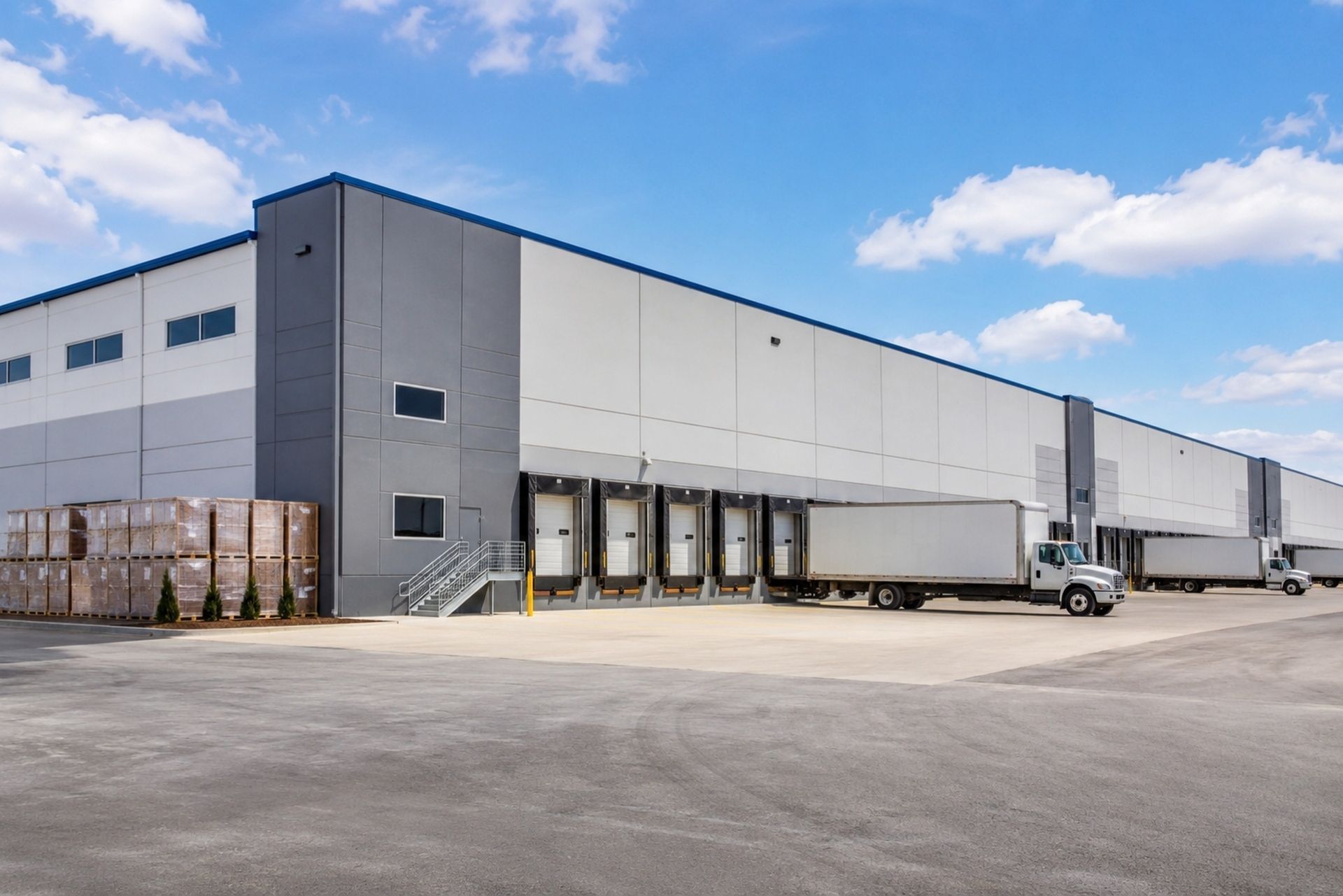
Wholesalers and importers form the backbone of Pennsylvania's commercial supply chain. The state's strategic location between major East Coast ports and inland markets means billions of dollars in goods flow through PA-based warehouses, distribution centers, and trucking routes each year. That volume creates exposure: product defects, warehouse fires, cargo theft, and contractual disputes are just a few of the risks that can derail a distribution business.
Insurance for these businesses isn't a single policy. It's a layered strategy that accounts for the specific ways goods are stored, transported, and sold. Getting that strategy wrong leaves gaps that can cost you six or seven figures in a bad year.
Unique Risks for Keystone State Distributors
Pennsylvania's geography creates distinct risk factors. Harsh winters bring ice damage to warehouses and increase accident rates for delivery fleets. Flooding along the Susquehanna and Delaware rivers has caused catastrophic inventory losses in recent years. If you're importing perishable goods through the Port of Philadelphia, spoilage risk during seasonal delays adds another layer of concern.
Product liability is especially tricky for importers. When you bring goods into the U.S., you often become the "importer of record," which means you assume legal responsibility for product safety, even if a manufacturer overseas cut corners. A single defective product batch can generate dozens of injury claims.
Navigating State-Specific Compliance and Regulations
Pennsylvania has its own regulatory framework that affects how wholesalers and importers must structure their coverage. The state requires workers' compensation for nearly all employers, and commercial auto insurance must meet PA-specific minimum limits. If you're distributing alcohol, tobacco, or pharmaceuticals, you'll face additional licensing and bonding requirements.
Philadelphia imposes its own Commercial Activity License requirements and may demand additional liability proof for businesses operating within city limits. Pittsburgh and Allentown have similar municipal layers. Staying compliant means understanding both state and local mandates, and your insurance program needs to reflect all of them.

By: Tyler Reitz
Managing Principal of Bowmans Insurance
Core Coverage Components for Supply Chain Businesses
Every wholesale and import operation needs a foundation of core coverages. These aren't optional extras: they're the minimum protections that keep your business solvent when something goes wrong. The specific limits and endorsements will vary based on your inventory type, revenue, and distribution model, but the building blocks remain consistent.
General and Product Liability for Imported Goods
General liability covers third-party bodily injury and property damage claims that arise from your operations. If a delivery driver damages a client's loading dock, or a visitor slips in your warehouse, this policy responds. Most wholesalers carry $1 million per occurrence with a $2 million aggregate.
Product liability is where things get more complex. As the importer or distributor, you can be named in lawsuits even when you didn't manufacture the product. A $50,000 annual premium for product liability might seem steep until you're facing a $1.2 million injury claim from a defective imported appliance. Make sure your policy covers recall expenses, too: voluntary recalls can cost $200,000 or more for mid-size distributors.
| Coverage Type | What It Covers | Typical Limits | Key Consideration |
|---|---|---|---|
| General Liability | Third-party injury, property damage | $1M/$2M | Required by most lease agreements |
| Product Liability | Defective product injury claims | $1M-$5M | Importers often need higher limits |
| Umbrella/Excess | Claims exceeding primary limits | $2M-$10M | Critical for high-volume distributors |
Commercial Property and Warehouse Legal Liability
Your commercial property policy covers the building, equipment, and inventory you own. But if you're leasing warehouse space or storing goods that belong to others, you also need warehouse legal liability coverage. This protects you when a customer's goods are damaged while in your care, custody, or control.
A common mistake is underinsuring inventory. Many wholesalers set coverage limits based on average stock levels, but a single peak-season surge can push inventory value 40% above the norm. Review your limits quarterly, not just at renewal.
Inland Marine and Cargo Insurance for Transit Protection
Goods in transit face risks that standard property policies don't cover. Inland marine insurance protects shipments moving over land, whether by your own trucks or a third-party carrier. Cargo insurance covers goods during ocean or air transit.
Global marine cargo premiums have been
easing with potential reductions of 2.5% to 5% for fleets with good loss histories, making 2025 and 2026 a favorable time to lock in competitive rates. If you're importing through Philadelphia or Baltimore, this matters directly to your bottom line.
Pennsylvania Statutory Requirements and Employee Protections
Pennsylvania law sets clear minimums for several types of business insurance. Failing to meet these requirements can result in fines, loss of operating licenses, and personal liability for business owners. Don't treat these as suggestions.
Workers' Compensation Mandates for PA Wholesalers
Pennsylvania requires nearly every employer to carry workers' compensation insurance. There's no exemption based on company size: even a single employee triggers the mandate. Warehouse work is physically demanding, and distribution operations see frequent claims for back injuries, forklift accidents, and repetitive strain.
The Pennsylvania Workers' Compensation Act imposes penalties including fines up to $2,500 per day for employers who fail to carry coverage. Beyond the legal risk, going without workers' comp exposes you to direct lawsuits from injured employees, which can be far more expensive than any premium.
Insurers reward businesses that invest in safety programs. Implementing forklift certification training, ergonomic workstation assessments, and regular safety audits can reduce your experience modification rate, which directly lowers your premium.
Commercial Auto and Fleet Insurance for Distribution
If your business operates delivery vehicles, Pennsylvania requires commercial auto insurance with minimum liability limits. Most wholesalers carry well above the state minimum because a single serious truck accident can generate claims exceeding $500,000.
Fleet size matters. A five-truck operation distributing building materials across the Lehigh Valley faces different risks than a 30-vehicle fleet running routes to New York and New Jersey. Your policy should include
hired and non-owned auto coverage if employees ever use personal vehicles for business errands.
Specialized Endorsements for Global Importers
Standard domestic policies don't cover the full range of risks that international importers face. If you're sourcing goods from overseas, you need endorsements and standalone policies that address the unique exposures of global trade.
Ocean Marine and International Trade Risk
Ocean marine insurance covers your goods from the point of origin overseas to arrival at a U.S. port. Policies can be structured on a per-shipment basis or as an open cargo policy that blankets all shipments during the policy period. Open cargo policies are more cost-effective for businesses with regular import schedules.
Pay attention to the Incoterms in your purchase contracts. If you're buying FOB (Free on Board), your risk begins the moment goods are loaded onto the vessel. CIF (Cost, Insurance, Freight) terms mean the seller provides basic coverage, but it's often minimal. Don't assume the seller's policy is adequate:
review the coverage limits and exclusions carefully before relying on it.
Foreign Voluntary Workers' Compensation
If you send employees overseas to inspect factories, attend trade shows, or manage supplier relationships, your domestic workers' comp policy likely won't cover them. Foreign voluntary workers' compensation fills this gap, providing benefits for employees injured while traveling internationally on business.
This coverage is easy to overlook but can be critical. A quality control manager injured at a manufacturing facility in Shenzhen could face $100,000 or more in medical and evacuation costs that your standard policy won't touch.
Mitigating Financial Loss Through Business Interruption Insurance
A warehouse fire or major supply chain disruption doesn't just destroy inventory: it stops revenue. Business interruption insurance replaces lost income and covers ongoing expenses like rent, payroll, and loan payments while your operations recover.
For wholesalers, the key is calculating your "period of restoration" accurately. If it takes four months to rebuild a damaged warehouse and restock inventory, your policy needs to cover that full window. Many businesses underestimate this timeline and end up with a coverage gap during the final weeks of recovery, right when cash flow is tightest.
Contingent business interruption is worth considering, too. If a key supplier's facility is damaged and they can't fulfill your orders, this endorsement covers the income you lose as a result. For importers who rely on one or two overseas manufacturers, this can be a financial lifeline.
Beyond purchasing the right policy, proactive management can optimize your insurance benefits and reduce risks.
Maintain the Property Regularly
Regular maintenance reduces the likelihood of damage and liability claims. Addressing issues like faulty wiring, broken stairs, or plumbing leaks promptly can prevent accidents and costly repairs.
Screen Tenants Carefully
Thorough tenant screening can reduce the risk of property damage and eviction-related expenses. Checking references, credit history, and rental background helps identify responsible tenants.
Document Property Condition
Before renting, document the property’s condition with photos and written records. This can aid in resolving disputes over damages when tenants move out.
Encourage Tenants to Get Renters Insurance
While rental property insurance doesn’t cover tenant belongings, encouraging or requiring renters insurance protects tenants and reduces landlord liability for tenant property losses.
Review and Update Your Policy Annually
Property values, local risks, and insurance offerings change over time. Reviewing your policy annually ensures your coverage remains adequate and cost-effective.
Selecting a Pennsylvania-Based Insurance Partner
Choosing the right insurance partner is as important as choosing the right coverage. A broker or agent who specializes in wholesale and import operations will understand the nuances of your business in ways a generalist simply can't. They'll know which carriers offer the best terms for your product type, which endorsements you actually need, and how to structure your program to avoid coverage gaps.
Look for a partner with direct experience in Pennsylvania's regulatory environment. They should be able to explain how Philadelphia's municipal requirements differ from state minimums, how PA's workers' comp system affects your costs, and which carriers have the strongest claims-handling reputations in your region.
Ask about their claims advocacy process. When a $300,000 cargo loss hits, you want an agent who picks up the phone and fights for your settlement, not one who hands you a toll-free number. The right relationship can save you tens of thousands of dollars over the life of your business.
FAQ
Do I need separate insurance for goods stored in a third-party warehouse? Yes. Your commercial property policy typically covers goods you own at your own location. If a third party stores your inventory, you'll need a bailee's or warehouse legal liability policy to ensure those goods are protected.
How much product liability coverage should a PA importer carry? Most importers carry at least $1 million per occurrence, but businesses importing consumer goods, food products, or electronics often need $2 million to $5 million. Your broker can help you determine the right limit based on your product risk profile.
Can I bundle all my wholesale insurance into one policy? A Business Owner's Policy (BOP) bundles general liability and commercial property, which works for smaller operations. Larger wholesalers and importers usually need a custom commercial package that includes separate policies for cargo, auto, umbrella, and workers' comp.
What happens if I'm sued for a product defect but the manufacturer is overseas? As the importer of record, you're the most accessible target for U.S. lawsuits. Your product liability policy defends you regardless of where the product was made. You may have contractual recourse against the manufacturer, but that process can take years.
Does Pennsylvania require commercial auto insurance for delivery vans? Yes. Any vehicle used for business purposes must carry commercial auto insurance meeting PA's minimum liability requirements. Most wholesalers carry limits well above the minimum to protect against serious accident claims.
A comprehensive insurance program for Pennsylvania wholesalers and importers isn't something you set up once and forget. Review your coverage annually, adjust limits for inventory changes, and work with a specialist broker who understands the wholesale and import insurance landscape in PA. Start by requesting a coverage audit from a licensed Pennsylvania commercial insurance agent. They can identify gaps in your current program and recommend adjustments that protect your business without overpaying for coverage you don't need. The cost of a thorough review is minimal compared to the cost of discovering a gap after a loss.
ABOUT THE AUTHOR:
TYLER REITZ, CIC, CPCU, ARM, AU
As Managing Principal of Bowmans Insurance, I’m passionate about helping businesses and individuals protect what matters most with clarity and confidence. With advanced designations including CIC, CPCU, ARM, and AU, I bring a comprehensive approach to risk management—ensuring every client receives strategic, reliable, and personalized coverage.
Contact Us
Why Work With Us?
Why Choose Bowman Insurance Group for Personal Insurance?


Choice and Transparency
Bowman Insurance Group works for you, not the insurance providers. We offer a wide selection of policies from reputable insurers, giving you options that suit your unique needs. We prioritize clarity and honesty, ensuring you understand each policy’s benefits and limitations.


Your Personal Advocate
Our team is committed to more than policy sales—we’re here to serve as your advocate. We balance your coverage needs with affordability, working to provide you with the best value without compromise. Every decision we support is made with your best interests in mind.


Expert Guidance for Life
Insurance can feel complex, but we’re here to make it simple. With years of experience, our advisors explain policies clearly and keep you informed of relevant changes. You’ll receive consistent support from trusted professionals who understand your needs and are dedicated to helping you make informed choices.
About Bowman's Insurance Group
Over 100 years Delivering Exceptional Service to Our Community
Personal Insurance Coverage in Pennsylvania
Personal Insurance Solutions in Pennsylvania
Home
Insurance
Auto
Insurance
Umbrella
Insurance
Condo
Insurance
Boat
Insurance
Motorcycle Insurance
RV
Insurance
ATV
Insurance
Insurance Client Reviews
Read our
customer reviews


40+
Insurance Partners
98%
Client Retention Rate
100
Years in Business
98%
Satisfaction Rate
Process of Working With A Personal Insurance Agent in Pennsylvania

Step 1: Initial Assessment
Our process begins with a comprehensive review of your personal insurance needs. We’ll assess factors like your lifestyle, family needs, and assets, so you get the coverage that best suits your unique situation.
Step 2: Customized Consultation
Meet with our knowledgeable agents one-on-one to discuss options tailored to your requirements. We aim to clarify your choices and recommend the most suitable coverage, considering both quality and affordability.
Step 3: Policy Selection & Activation
Once we identify the right coverage, we’ll handle the paperwork and activate your policy. Our team ensures a smooth, straightforward process, giving you confidence and peace of mind in your coverage.
Our Experts
Meet Our Team of Professional Insurance Experts
Tyler Reitz CIC, CPCU, ARM, AU
President
Carmen Donachy, CISR
Treasurer and Customer Service Rep
Brian Brassell, CSA, CRPC
Investment Advisor Representative, Director of Financial Services Division
Kassie Swope, CIC, CISR, AINS
Commercial Department Manager
Our News & Blogs
Latest insurance news & blogs