Pennsylvania
Waste Hauler and Garbage Insurance

See How We're Different:
Call Us: 717-838-5464
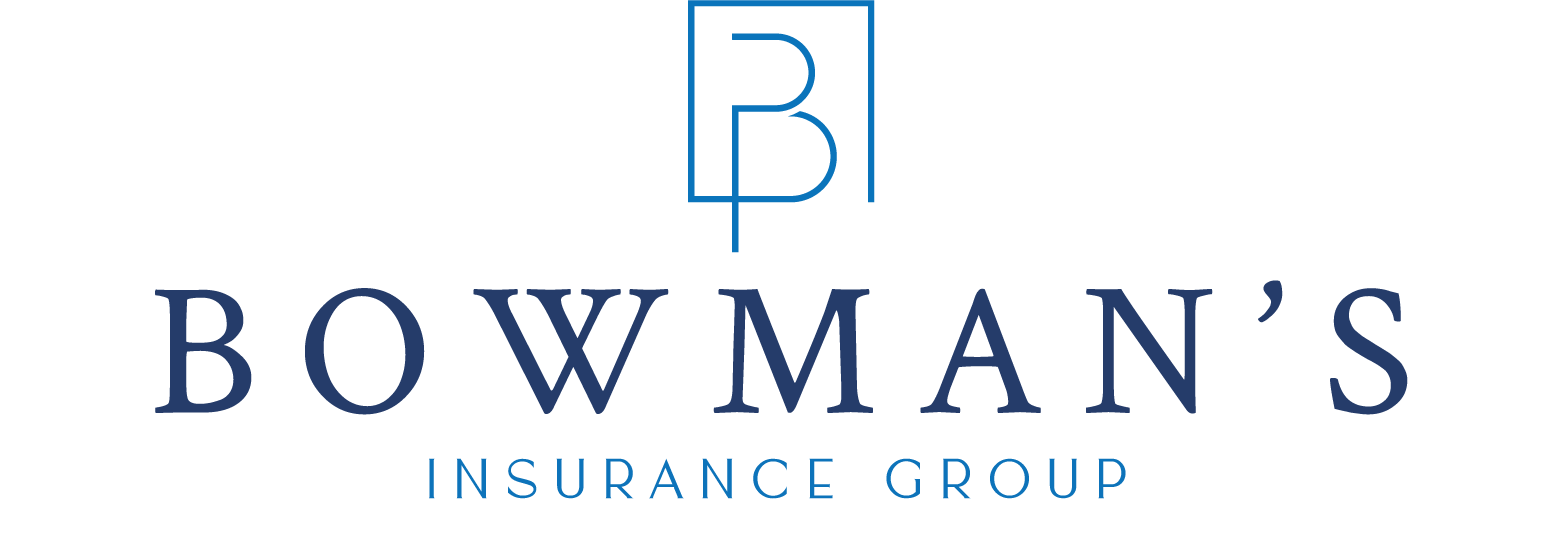
A rear-loader backs into a parked sedan outside a Scranton strip mall. The driver didn't see it, the camera footage is grainy, and the vehicle owner is already calling a lawyer. Meanwhile, a recycling truck in Lancaster leaks hydraulic fluid across a residential street, and the DEP wants answers. These aren't hypothetical scenarios. They're Tuesday morning for Pennsylvania waste haulers operating without the right insurance. If you run a garbage collection or recycling business in the commonwealth, your insurance portfolio isn't just a cost center: it's the thing standing between you and a six-figure liability event. Pennsylvania waste hauler and garbage collection insurance coverage can feel like a maze of acronyms, endorsements, and state-specific rules. This guide breaks it down into the pieces that actually matter, from mandatory liability limits to pollution coverage most haulers overlook. Whether you're running three trucks in Altoona or a 40-vehicle fleet serving the Philadelphia suburbs, understanding what you need, what you're missing, and what the state requires is the difference between staying in business and shutting your gates.
Understanding Pennsylvania's Insurance Requirements for Waste Haulers
Pennsylvania treats waste hauling differently than standard trucking. Your trucks carry materials that can leak, combust, or contaminate, and the state's regulatory framework reflects that risk. Getting licensed and staying compliant means meeting insurance thresholds that go beyond what a general commercial auto policy provides.
State-Mandated Liability Limits
Pennsylvania requires all commercial vehicles over 10,001 pounds to carry a minimum of $750,000 in combined single-limit liability coverage. For haulers transporting hazardous materials, that floor jumps to $1 million or even $5 million depending on the material classification. Most municipal contracts demand proof of coverage well above these state minimums, often $2 million or more in general liability alone.
The Pennsylvania Insurance Department has been active in protecting businesses from runaway premiums. The Shapiro administration blocked roughly $227.9 million in proposed property and casualty premium increases during 2025, including $91 million in commercial auto rate hikes. That's meaningful relief for fleet-heavy operations like yours, where a single rate increase can reshape your entire operating budget.
The Role of the Pennsylvania Department of Environmental Protection (DEP)
The DEP doesn't write your insurance policy, but it shapes what your policy needs to cover. Any hauler transporting solid waste in Pennsylvania must hold a DEP-issued Waste Transportation Authorization. To get and keep that authorization, you'll need proof of financial responsibility, which typically means pollution liability coverage on top of your standard auto and general liability.
The DEP also enforces cleanup obligations. If your truck spills waste on a state road or contaminates a waterway, the DEP can hold you financially responsible for remediation. The agency's
environmental enforcement actions and regulatory updates regularly target haulers operating without adequate coverage. That's not a fine you can absorb: remediation costs routinely hit $50,000 to $200,000 for even minor spill events.

By: Tyler Reitz
Managing Principal of Bowmans Insurance
Core Coverage Types for Garbage and Recycling Businesses
Your insurance program isn't one policy. It's a stack of coverages, each addressing a different risk your business faces daily. Missing one layer can leave you exposed in ways that aren't obvious until a claim hits.
Commercial Auto and Fleet Liability
This is the backbone of any hauler's insurance program. Commercial auto covers bodily injury and property damage caused by your vehicles. For waste haulers, the risk profile is elevated because your trucks operate in residential neighborhoods, back up frequently, and carry heavy loads that affect stopping distance.
A standard commercial auto policy covers collision, comprehensive, and liability. But you'll also want hired and non-owned auto coverage if any employee ever drives a personal vehicle for business purposes. Uninsured/underinsured motorist coverage is worth adding too: Pennsylvania has one of the higher uninsured driver rates in the Northeast.
Fleet size matters for pricing. Insurers typically offer better per-vehicle rates once you cross the 5-truck or 10-truck threshold. If you're running a smaller operation, grouping your auto coverage with your general liability under a single carrier often gets you a better deal.
General Liability and Property Damage
General liability covers claims that happen off the road: a customer trips over a bin you placed on their sidewalk, your crew damages a fence while positioning a dumpster, or debris from your truck scratches a row of parked cars. These claims are common and often expensive.
For most Pennsylvania garbage collection businesses, a $1 million per-occurrence / $2 million aggregate general liability policy is the starting point. Larger operations or those bidding on municipal contracts may need $5 million in coverage, sometimes achieved through an umbrella or excess policy layered on top.
Property damage coverage for your own assets, including your yard, maintenance facility, and equipment, is separate. Don't assume your general liability covers your compactors, containers, or roll-off boxes. Those need to be scheduled on a commercial property or inland marine policy.
Workers' Compensation for Pennsylvania Crews
Pennsylvania law requires workers' compensation for nearly every employee, with very few exceptions. Waste hauling carries a high workers' comp classification code because of the physical nature of the work: repetitive lifting, exposure to sharp objects, traffic proximity, and equipment hazards.
Your experience modification rate (EMR) is the single biggest factor in your workers' comp premium. An EMR above 1.0 means you're paying more than the industry average. Investing in safety training, proper PPE, and return-to-work programs can push that number down over time. Insurers reward strong internal safety controls with better rates, so documenting your safety meetings and incident response protocols matters.
Pollution Liability and Environmental Protection
Standard general liability policies exclude pollution. That's a problem when your entire business involves transporting materials that can contaminate soil, groundwater, and air. Pollution liability is a separate, specialized coverage, and for Pennsylvania haulers, it's not optional in practice.
Sudden vs. Gradual Spills
Pollution policies distinguish between sudden events and gradual contamination. A sudden spill might be a truck rollover that dumps waste into a creek. Gradual contamination could be leachate seeping from a container stored at your yard over several months.
Most basic pollution policies only cover sudden and accidental releases. If you want protection against gradual contamination, and you should, you'll need a broader environmental impairment liability (EIL) policy. Pennsylvania's Act 2 and related environmental cleanup standards define what "clean" means after a spill, and those standards determine how much remediation will cost you.
Clean-up Costs and Remediation
Remediation isn't just scooping up visible waste. It can involve soil testing, groundwater monitoring, excavation, and long-term reporting to the DEP. A single contamination event at your transfer station or yard could generate $100,000 to $500,000 in cleanup costs before any third-party claims even enter the picture.
Your pollution policy should cover first-party cleanup costs (your own property), third-party claims (neighboring properties), and transportation pollution (spills that happen while your trucks are in transit). Not all policies include all three, so read the endorsements carefully. Many haulers discover gaps only after a claim is denied.
Comparison of Coverage Levels for Haulers
Not every hauler needs the same program. A three-truck residential operation has different exposures than a 30-truck commercial fleet handling construction debris. The table below outlines what a standard versus comprehensive program typically includes.
Table: Standard vs. Comprehensive Protection
| Coverage Area | Standard Program | Comprehensive Program |
|---|---|---|
| Commercial Auto Liability | $1M combined single limit | $2M+ with umbrella to $5M |
| General Liability | $1M occurrence / $2M aggregate | $2M occurrence / $5M aggregate |
| Workers' Compensation | Statutory minimum | Statutory + employer's liability $1M |
| Pollution Liability | Sudden & accidental only | Sudden + gradual, first & third party |
| Inland Marine / Equipment | Not included | Scheduled coverage for containers, compactors |
| Hired & Non-Owned Auto | Not included | Included |
| Umbrella / Excess | None | $2M to $10M depending on contracts |
| Cyber Liability | Not included | $500K+ for billing/customer data |
Most haulers bidding on municipal contracts in cities like Pittsburgh, Philadelphia, or Allentown will need the comprehensive column at minimum. Private residential haulers can sometimes operate with the standard program, but one bad claim can change that calculus fast.
Common Questions About PA Waste Hauler Insurance
FAQ: Cost, Compliance, and Claims
How much does insurance cost for a Pennsylvania waste hauler? Expect to pay $8,000 to $15,000 per truck annually for commercial auto alone. Total program costs for a 10-truck fleet, including GL, workers' comp, and pollution, typically range from $120,000 to $250,000 per year depending on claims history and coverage limits.
Do I need pollution liability even if I only haul residential garbage? Yes. Residential waste can contain household chemicals, batteries, and other materials that trigger environmental cleanup obligations. Your standard GL policy excludes pollution, so a separate policy is the only way to fill that gap.
What happens if my coverage lapses? The DEP can revoke your Waste Transportation Authorization, and PennDOT can pull your vehicle registrations. Pennsylvania's expanded filing requirements for property and casualty lines mean regulators are tracking compliance more closely than in past years.
Can I reduce my workers' comp premiums? Absolutely. Focus on lowering your EMR through documented safety programs, prompt injury reporting, and modified-duty return-to-work policies. Some insurers offer premium credits of 5% to 15% for formal safety plans.
Does my policy cover damage to customer property? General liability typically covers third-party property damage. But check for exclusions related to care, custody, and control: if your crew damages a dumpster you own or a container you're responsible for, that's usually not covered under GL.
Are recycling operations insured differently than garbage haulers? The core coverages are similar, but recycling operations may face different pollution exposures. Pennsylvania's recycling market conditions and material flow data suggest that contamination risks at sorting facilities are a growing concern for underwriters.
Making the Right Choice for Your Fleet
Getting insurance coverage right for your waste hauling operation isn't a one-time decision. It's something you should revisit annually, especially as you add trucks, enter new service territories, or bid on larger contracts. The Pennsylvania market is shifting: insurers are drawing harder lines on property and casualty pricing, which means shopping your program every two to three years is smart strategy.
Start by auditing your current policies against the comprehensive column in the table above. Identify gaps, especially in pollution liability and inland marine coverage, that could leave you writing a six-figure check out of pocket. Work with a broker who specializes in waste and environmental risks, not a generalist who handles your coverage alongside restaurant policies and retail shops.
Your trucks are on the road every day in one of the most regulated states in the country. The right insurance program doesn't just protect your balance sheet: it keeps your DEP authorization active, your municipal contracts intact, and your drivers on the road. Talk to a specialized agent this quarter, review your limits, and make sure your coverage matches the business you're running today, not the one you had three years ago.
ABOUT THE AUTHOR:
TYLER REITZ, CIC, CPCU, ARM, AU
As Managing Principal of Bowmans Insurance, I’m passionate about helping businesses and individuals protect what matters most with clarity and confidence. With advanced designations including CIC, CPCU, ARM, and AU, I bring a comprehensive approach to risk management—ensuring every client receives strategic, reliable, and personalized coverage.
Contact Us
Why Work With Us?
Why Choose Bowman Insurance Group for Personal Insurance?


Choice and Transparency
Bowman Insurance Group works for you, not the insurance providers. We offer a wide selection of policies from reputable insurers, giving you options that suit your unique needs. We prioritize clarity and honesty, ensuring you understand each policy’s benefits and limitations.


Your Personal Advocate
Our team is committed to more than policy sales—we’re here to serve as your advocate. We balance your coverage needs with affordability, working to provide you with the best value without compromise. Every decision we support is made with your best interests in mind.


Expert Guidance for Life
Insurance can feel complex, but we’re here to make it simple. With years of experience, our advisors explain policies clearly and keep you informed of relevant changes. You’ll receive consistent support from trusted professionals who understand your needs and are dedicated to helping you make informed choices.
About Bowman's Insurance Group
Over 100 years Delivering Exceptional Service to Our Community
Personal Insurance Coverage in Pennsylvania
Personal Insurance Solutions in Pennsylvania
Home
Insurance
Auto
Insurance
Umbrella
Insurance
Condo
Insurance
Boat
Insurance
Motorcycle Insurance
RV
Insurance
ATV
Insurance
Insurance Client Reviews
Read our
customer reviews


40+
Insurance Partners
98%
Client Retention Rate
100
Years in Business
98%
Satisfaction Rate
Process of Working With A Personal Insurance Agent in Pennsylvania

Step 1: Initial Assessment
Our process begins with a comprehensive review of your personal insurance needs. We’ll assess factors like your lifestyle, family needs, and assets, so you get the coverage that best suits your unique situation.
Step 2: Customized Consultation
Meet with our knowledgeable agents one-on-one to discuss options tailored to your requirements. We aim to clarify your choices and recommend the most suitable coverage, considering both quality and affordability.
Step 3: Policy Selection & Activation
Once we identify the right coverage, we’ll handle the paperwork and activate your policy. Our team ensures a smooth, straightforward process, giving you confidence and peace of mind in your coverage.
Our Experts
Meet Our Team of Professional Insurance Experts
Tyler Reitz CIC, CPCU, ARM, AU
President
Carmen Donachy, CISR
Treasurer and Customer Service Rep
Brian Brassell, CSA, CRPC
Investment Advisor Representative, Director of Financial Services Division
Kassie Swope, CIC, CISR, AINS
Commercial Department Manager
Our News & Blogs
Latest insurance news & blogs