Pennsylvania
Arborists and Tree Trimmer Insurance

See How We're Different:
Call Us: 717-838-5464
A single misjudged cut on a mature oak in Allentown can send a 2,000-pound limb crashing through a homeowner's roof, turning a routine $800 job into a six-figure liability claim. For Pennsylvania's tree care professionals, risk isn't hypothetical: it's built into every workday. Between climbing heights, operating heavy machinery, and working near power lines, the potential for property damage, bodily injury, and equipment loss runs higher than in almost any other trade. Tree trimming carries a
fatality rate of 110 per 100,000 workers, making it one of the deadliest occupations in the country. That's why proper insurance for Pennsylvania arborists and tree trimming contractors isn't just a smart business decision: it's a survival requirement. The right coverage protects your crew, your clients, and the business you've spent years building. Without it, a single accident could wipe out everything. This guide breaks down the
specific policies you need, what
drives your premiums, and how to avoid the
coverage gaps that catch too many tree service owners off guard.
Why Tree Care Businesses in Pennsylvania Need Specialized Insurance
The High-Risk Nature of Arboriculture
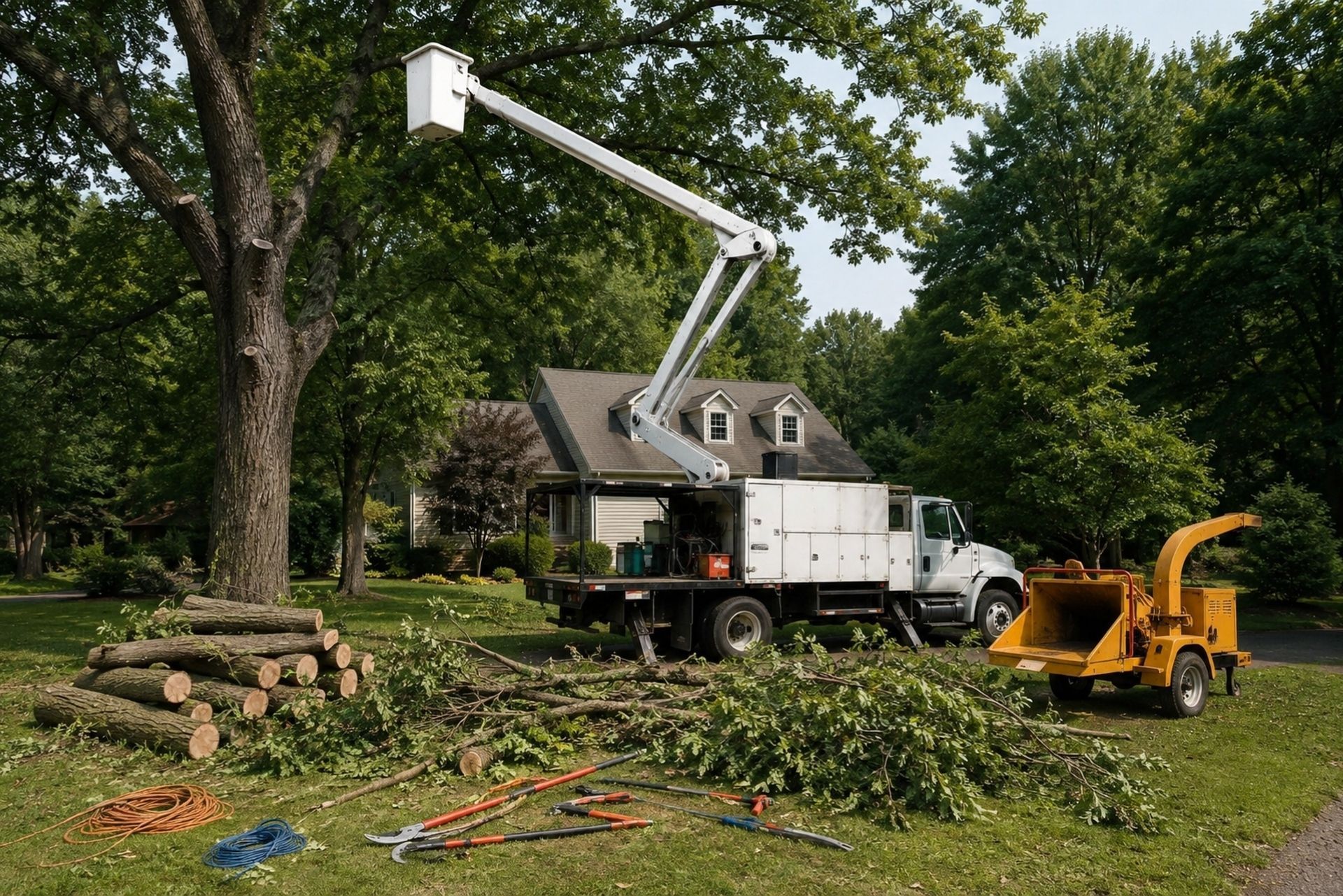
Tree work combines height, heavy equipment, and unpredictable natural forces in ways that few other trades match. A crew member ascending 60 feet into a dying ash tree faces fall risks, chainsaw injuries, and the possibility of electrical contact with nearby utility lines. On the ground, wood chippers and stump grinders create their own hazards. Standard business insurance policies designed for general contractors rarely account for these compounded dangers.
Pennsylvania's geography adds another layer. The state's aging tree canopy, combined with increasingly intense storms and ongoing spotted lanternfly damage, has driven surging demand for tree care services across regions like Berks County and the Lehigh Valley. More work means more exposure, and more exposure demands coverage built specifically for the hazards arborists face daily.
Pennsylvania State Licensing and Local Requirements
Pennsylvania doesn't require a statewide arborist license, but that doesn't mean you can operate without paperwork. The state's Home Improvement Consumer Protection Act requires contractors performing work over $500 on residential properties to register with the Attorney General's office. You can verify your registration status through the state's online contractor dashboard.
Many municipalities layer on their own rules. Philadelphia requires a Commercial Activity License and may demand proof of insurance before issuing permits for street tree work. Pittsburgh has similar requirements for work in the public right-of-way. Even smaller boroughs often require certificates of insurance before allowing tree removal near sidewalks or power lines. If you're bidding on municipal contracts, expect to show at least $1 million in general liability coverage, and often $2 million aggregate.

By: Tyler Reitz
Managing Principal of Bowmans Insurance
Essential Coverage Types for Arborists and Tree Trimmers
General Liability for Property Damage and Injuries
General liability is the foundation of any Pennsylvania arborist and tree trimming contractor insurance program. This policy covers third-party bodily injury and property damage: the homeowner's fence your crew crushes, the parked car hit by a falling branch, or the pedestrian struck by debris.
Most residential clients and property managers won't hire you without proof of GL coverage. A typical tree service in Pennsylvania carries $1 million per occurrence and $2 million aggregate. Premiums vary, but tree service general liability often costs between $2,000 and $5,000 annually for small to mid-size operations, depending on revenue, crew size, and claims history.
Workers' Compensation for Tree Climbing Crews
Pennsylvania law requires workers' compensation coverage for virtually all employers, with very few exceptions. If you have even one employee, you need a policy. The penalties for non-compliance are steep: criminal charges, fines, and personal liability for any injuries.
Tree care carries some of the highest workers' comp classification rates in the industry. A climber earning $50,000 annually could generate $15,000 or more in premium costs because of the trade's risk profile. Pennsylvania's statewide average weekly wage determines benefit calculations, and injured workers can use the state's benefit calculator to estimate their entitlements. Investing in proper safety training and certifications can help reduce your experience modification rate, which directly lowers your premiums over time.
Inland Marine Insurance for Specialized Gear and Chippers
Your equipment doesn't stay in one place, and that's exactly the problem. A standard commercial property policy covers items at your business location, but your chainsaws, rigging gear, aerial lifts, and wood chippers spend most of their time on job sites or in transit. Inland marine insurance fills that gap.
A single commercial-grade wood chipper can cost $30,000 to $80,000 to replace. Aerial lift trucks run well over $100,000. If a chipper is stolen from a job site or an aerial lift is damaged in a rollover, inland marine coverage pays for repair or replacement. The premiums are modest relative to the equipment values: typically 1% to 3% of total insured value annually.
Comparison: General Liability vs. Professional Liability for Arborists
Many tree service owners confuse general liability with professional liability, but they cover very different risks. General liability handles physical damage and injuries. Professional liability, sometimes called errors and omissions coverage, protects you when your expert advice or assessment leads to a financial loss for a client.
Coverage Comparison Table
| Feature | General Liability | Professional Liability |
|---|---|---|
| What it covers | Bodily injury, property damage from operations | Errors in professional judgment or advice |
| Example claim | Crew drops a limb on a client's car | You assess a tree as healthy; it falls on a house a month later |
| Required by clients? | Almost always | Sometimes, especially for consulting arborists |
| Typical annual cost | $2,000 - $5,000 | $800 - $2,500 |
| Coverage limits | $1M per occurrence / $2M aggregate | $1M per claim / $1M aggregate |
| Who needs it most | All tree service companies | ISA-certified arborists providing assessments |
If you're only performing physical tree work, general liability is your priority. But if you provide tree risk assessments, consult on tree preservation plans, or submit arborist reports for municipalities, professional liability fills a gap that GL won't touch. A client who loses a $400,000 home because you certified a compromised tree as sound will come after your professional judgment, not your chainsaw.
Equipment Inventory and Replacement Value
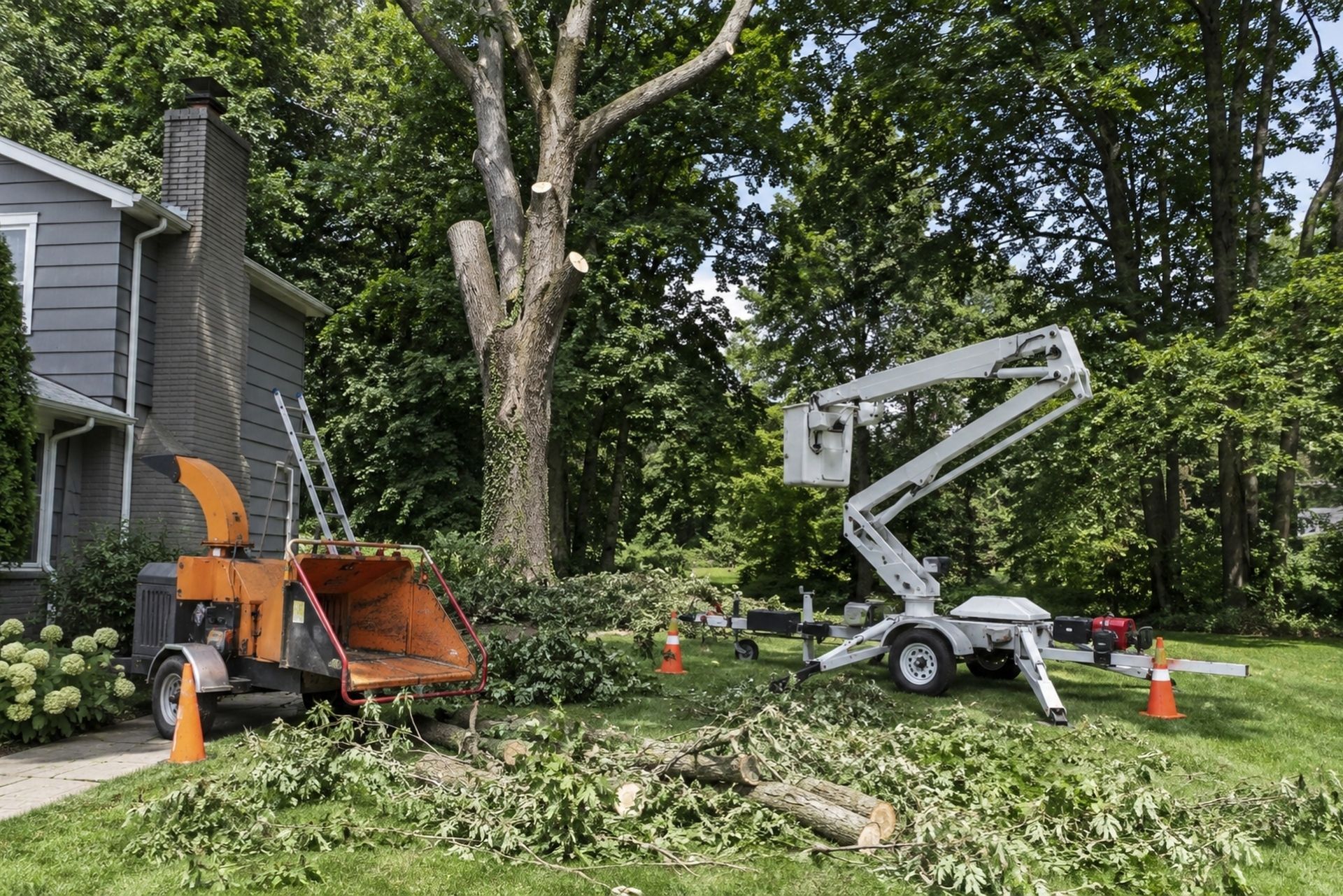
Insurers look closely at what you own and what it would cost to replace. A solo operator with a pickup truck, a few chainsaws, and basic rigging gear presents a very different risk profile than a company running three bucket trucks, two chippers, and a stump grinder fleet.
Keep a detailed, updated equipment schedule with serial numbers, purchase dates, and current replacement values. This serves two purposes: it ensures you're not underinsured if something is stolen or destroyed, and it gives your agent accurate data to shop for competitive rates. Underreporting equipment values to save on premium is a common mistake that backfires badly at claim time.
Safety Protocols and Certification Credits
Your safety record is one of the most powerful levers you have over your premium costs. Insurers reward companies that invest in formal safety programs, and they penalize those with frequent claims. ISA certification, TCIA accreditation, and OSHA 10/30-hour training for crew members all signal lower risk.
Implementing a written safety program that includes daily tailgate meetings, documented equipment inspections, and annual training refreshers can earn you credits. Some carriers offer 5% to 15% discounts for
meeting specific safety and certification benchmarks. Your experience modification rate, which tracks your claims history against industry averages, is the single biggest factor in workers' comp pricing. A mod rate below 1.0 means you're safer than average, and your premiums reflect that.
Common Questions About Tree Service Insurance
FAQ: Do I need insurance if I only do ground-level trimming?
Yes. Even ground-level work involves risks like falling branches striking bystanders, equipment damaging property, or workers injuring themselves with chainsaws. Your risk profile may be lower than a climbing operation, but liability exposure still exists on every job.
FAQ: Does my personal auto policy cover my tree truck?
No. Personal auto policies exclude vehicles used for commercial purposes. You need a commercial auto policy for any truck, trailer, or vehicle used in your tree service operations. If you're hauling a chipper or carrying tools for work, your personal insurer will deny the claim.
FAQ: How much coverage do I need for residential jobs?
Most residential clients and HOAs expect at least $1 million per occurrence in general liability. If you're working near high-value homes or in dense neighborhoods, $2 million per occurrence provides a better safety margin. Commercial and municipal contracts often require even higher limits.
FAQ: Is my crew covered if they are sub-contractors?
Not automatically. If your sub-contractors don't carry their own insurance, your insurer may classify them as employees and charge you accordingly, or deny claims involving uninsured subs. Always require certificates of insurance from sub-contractors before they set foot on a job site.
FAQ: What happens if I drop a limb on a neighbor's house?
Your general liability policy covers damage to third-party property, including a neighbor's home. You'd file a claim, pay your deductible, and your insurer would handle the repair costs and any legal defense if the neighbor sues. Without GL coverage, you're personally responsible for every dollar.
Making the Right Choice for Your Tree Care Business
Choosing the right insurance package for your tree service isn't a one-time decision you make and forget. Your coverage needs shift as you add employees, buy equipment, take on larger contracts, and expand into new service areas. A policy that worked when you were a two-person crew won't protect a growing operation with six climbers and $300,000 in equipment.
Start by working with an agent or broker who specializes in tree care or high-risk trades. Generalist agents often don't understand the nuances of arborist classifications, and that misunderstanding leads to coverage gaps or inflated premiums. Companies like TreeGuard Insurance offer Pennsylvania-specific programs tailored to the tree care industry.
Review your policies annually, especially before storm season. Update your equipment schedule, verify your payroll estimates are accurate, and confirm that your certificates of insurance reflect your current coverage. The cost of proper Pennsylvania tree trimming contractor insurance is real, but it's a fraction of what a single uninsured claim could take from you. Protect what you've built, and you'll be in a position to keep growing it.
ABOUT THE AUTHOR:
TYLER REITZ, CIC, CPCU, ARM, AU
As Managing Principal of Bowmans Insurance, I’m passionate about helping businesses and individuals protect what matters most with clarity and confidence. With advanced designations including CIC, CPCU, ARM, and AU, I bring a comprehensive approach to risk management—ensuring every client receives strategic, reliable, and personalized coverage.
Contact Us
Why Work With Us?
Why Choose Bowman Insurance Group for Personal Insurance?


Choice and Transparency
Bowman Insurance Group works for you, not the insurance providers. We offer a wide selection of policies from reputable insurers, giving you options that suit your unique needs. We prioritize clarity and honesty, ensuring you understand each policy’s benefits and limitations.


Your Personal Advocate
Our team is committed to more than policy sales—we’re here to serve as your advocate. We balance your coverage needs with affordability, working to provide you with the best value without compromise. Every decision we support is made with your best interests in mind.


Expert Guidance for Life
Insurance can feel complex, but we’re here to make it simple. With years of experience, our advisors explain policies clearly and keep you informed of relevant changes. You’ll receive consistent support from trusted professionals who understand your needs and are dedicated to helping you make informed choices.
About Bowman's Insurance Group
Over 100 years Delivering Exceptional Service to Our Community
Personal Insurance Coverage in Pennsylvania
Personal Insurance Solutions in Pennsylvania
Home
Insurance
Auto
Insurance
Umbrella
Insurance
Condo
Insurance
Boat
Insurance
Motorcycle Insurance
RV
Insurance
ATV
Insurance
Insurance Client Reviews
Read our
customer reviews


40+
Insurance Partners
98%
Client Retention Rate
100
Years in Business
98%
Satisfaction Rate
Process of Working With A Personal Insurance Agent in Pennsylvania

Step 1: Initial Assessment
Our process begins with a comprehensive review of your personal insurance needs. We’ll assess factors like your lifestyle, family needs, and assets, so you get the coverage that best suits your unique situation.
Step 2: Customized Consultation
Meet with our knowledgeable agents one-on-one to discuss options tailored to your requirements. We aim to clarify your choices and recommend the most suitable coverage, considering both quality and affordability.
Step 3: Policy Selection & Activation
Once we identify the right coverage, we’ll handle the paperwork and activate your policy. Our team ensures a smooth, straightforward process, giving you confidence and peace of mind in your coverage.
Our Experts
Meet Our Team of Professional Insurance Experts
Tyler Reitz CIC, CPCU, ARM, AU
President
Carmen Donachy, CISR
Treasurer and Customer Service Rep
Brian Brassell, CSA, CRPC
Investment Advisor Representative, Director of Financial Services Division
Kassie Swope, CIC, CISR, AINS
Commercial Department Manager
Our News & Blogs
Latest insurance news & blogs