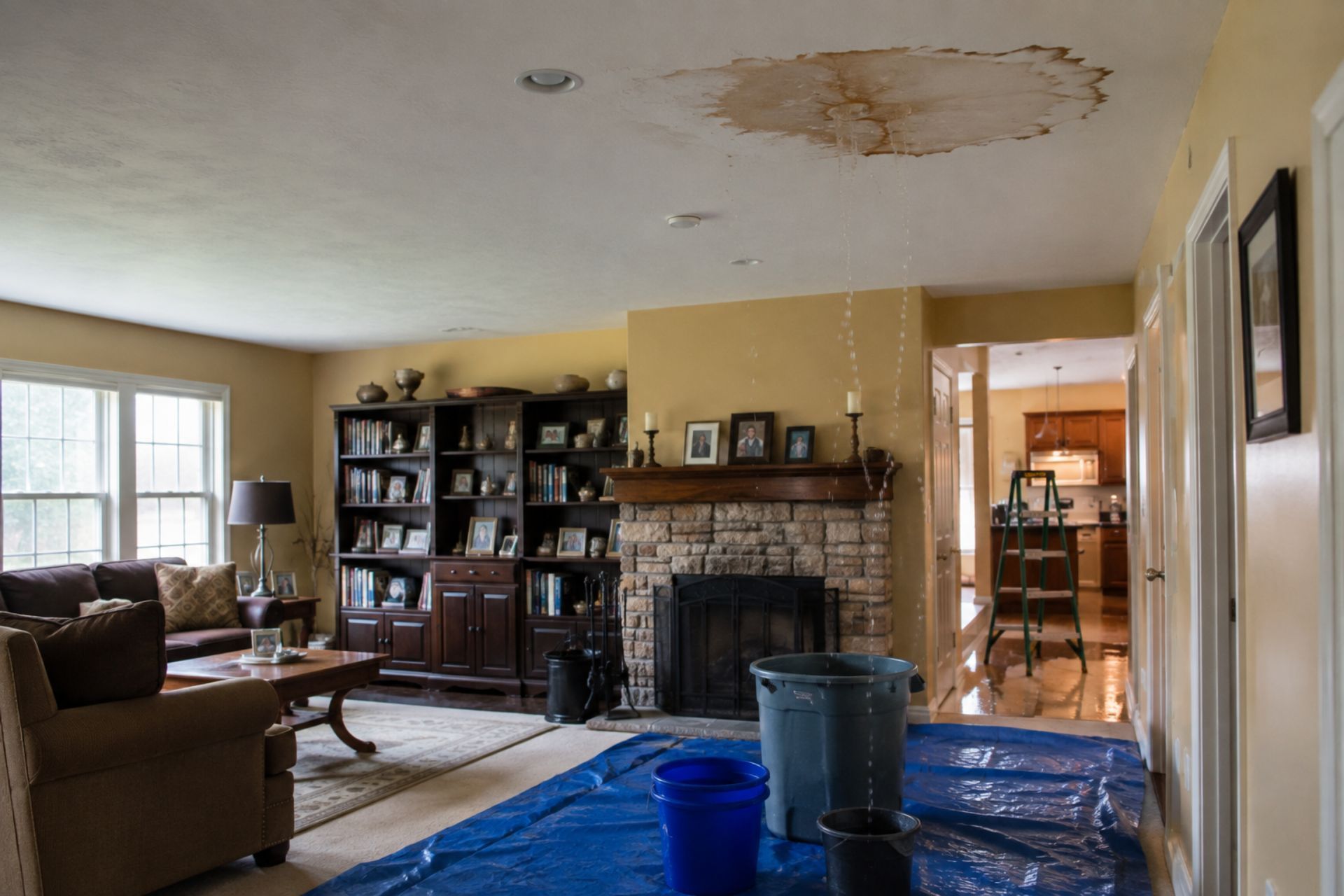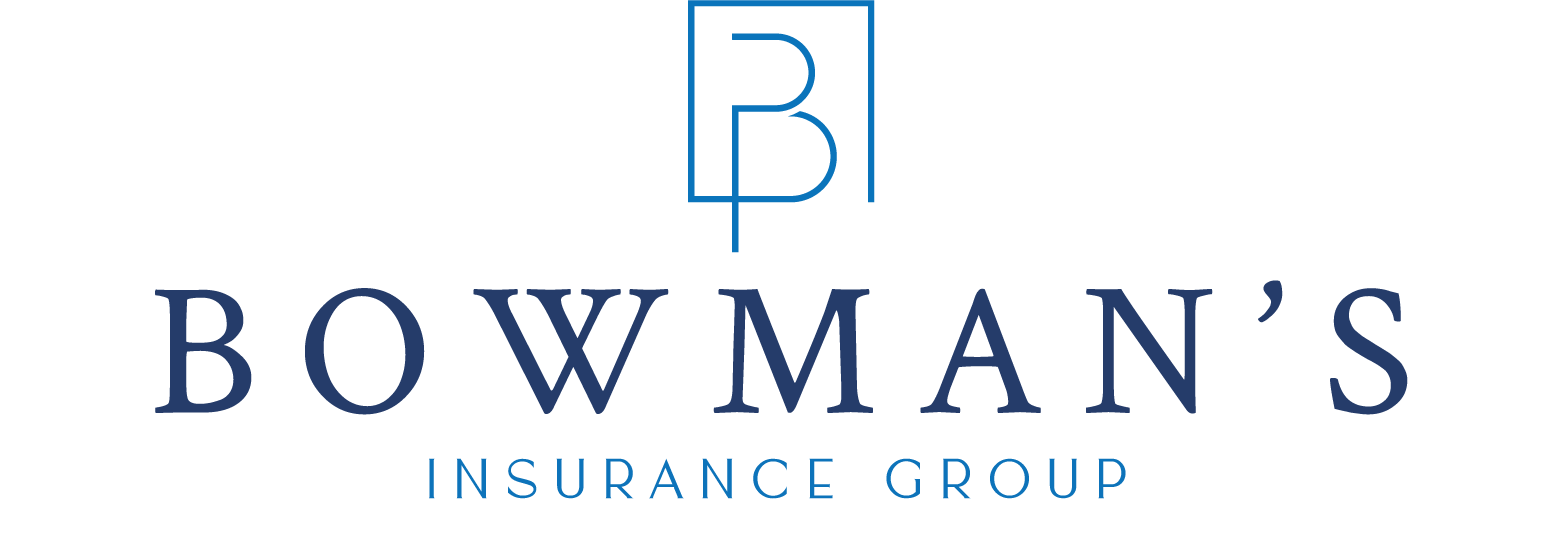

A fuel oil delivery truck in Scranton slides on black ice and shears a residential gas meter, sending heating oil across a homeowner's driveway and into a storm drain. Within hours, the dealer faces a property damage claim, an environmental cleanup order, and a potential DEP enforcement action. Without the right insurance, that single morning could bankrupt a multi-generation family business. Pennsylvania's fuel distribution industry carries risks that standard commercial policies simply don't address, from underground storage tank liabilities to misdelivery claims that can cost six figures overnight. Understanding the insurance coverage fuel dealers need in Pennsylvania isn't optional: it's the difference between surviving a bad day and closing your doors. This guide breaks down every coverage layer, state-specific compliance requirements, and the specialized policy features that separate adequate protection from dangerous gaps. Whether you run a two-truck propane operation outside Altoona or manage a large heating oil terminal near Philadelphia, the stakes are the same. One uncovered claim can erase decades of hard work. The coverage decisions you make now determine how your business weathers the incidents that will, statistically, happen eventually.
Essential Insurance for Pennsylvania Fuel Dealers
Fuel dealers face a unique combination of hazards that most industries never encounter. You're transporting flammable materials on public roads, storing them in underground and aboveground tanks, and delivering them directly into customers' homes and businesses. Each of those activities creates distinct liability exposures.
A typical commercial insurance package won't cut it. Standard policies contain exclusions for pollution events, fuel-specific losses, and the kind of catastrophic property damage that a ruptured tank or delivery accident can cause. You need coverage designed for the fuel industry's specific risk profile.
The core insurance program for a Pennsylvania fuel dealer usually includes general liability, environmental/pollution liability, commercial auto, workers' compensation, and business interruption coverage. Some dealers also carry inland marine policies for mobile equipment and umbrella policies that extend limits across multiple underlying coverages. The right combination depends on your operation's size, the fuels you handle, and the geography you serve.
General Liability and Property Damage
General liability is your first line of defense against third-party bodily injury and property damage claims. If a customer trips over a delivery hose or your technician damages a furnace during a service call, GL responds. Most Pennsylvania fuel dealers carry at least $1 million per occurrence and $2 million aggregate.
Property damage coverage protects your own assets: your office, warehouse, storage facilities, and equipment. For fuel dealers, this includes specialized items like tank gauging systems, dispensing equipment, and loading racks. Make sure your policy values these at replacement cost, not actual cash value, because rebuilding after a fire or explosion means buying new equipment at current prices.
One common mistake is underinsuring your real property. A fuel terminal or bulk plant that was built for $800,000 fifteen years ago might cost $1.4 million to rebuild today. Review your property limits annually and adjust for construction cost inflation.
Environmental and Pollution Liability
This is where fuel dealer insurance diverges sharply from standard commercial coverage. Most general liability policies contain an absolute pollution exclusion, meaning they won't pay a dime if fuel contaminates soil, groundwater, or a waterway. You need a standalone environmental liability policy.
Pollution liability covers cleanup costs, third-party bodily injury from contamination, legal defense expenses, and regulatory fines in some cases. A single heating oil spill into a basement can generate $50,000 to $150,000 in remediation costs. A larger release affecting groundwater can run into the millions.
Pennsylvania's Department of Environmental Protection enforces strict cleanup standards. The state's Underground Storage Tank Indemnification Fund has updated its 2026 deductibles and eligibility rules, which directly affect how much financial exposure you carry before the fund kicks in. Your pollution policy should fill the gap between your deductible and the USTIF's coverage ceiling.
Commercial Auto and Fleet Coverage
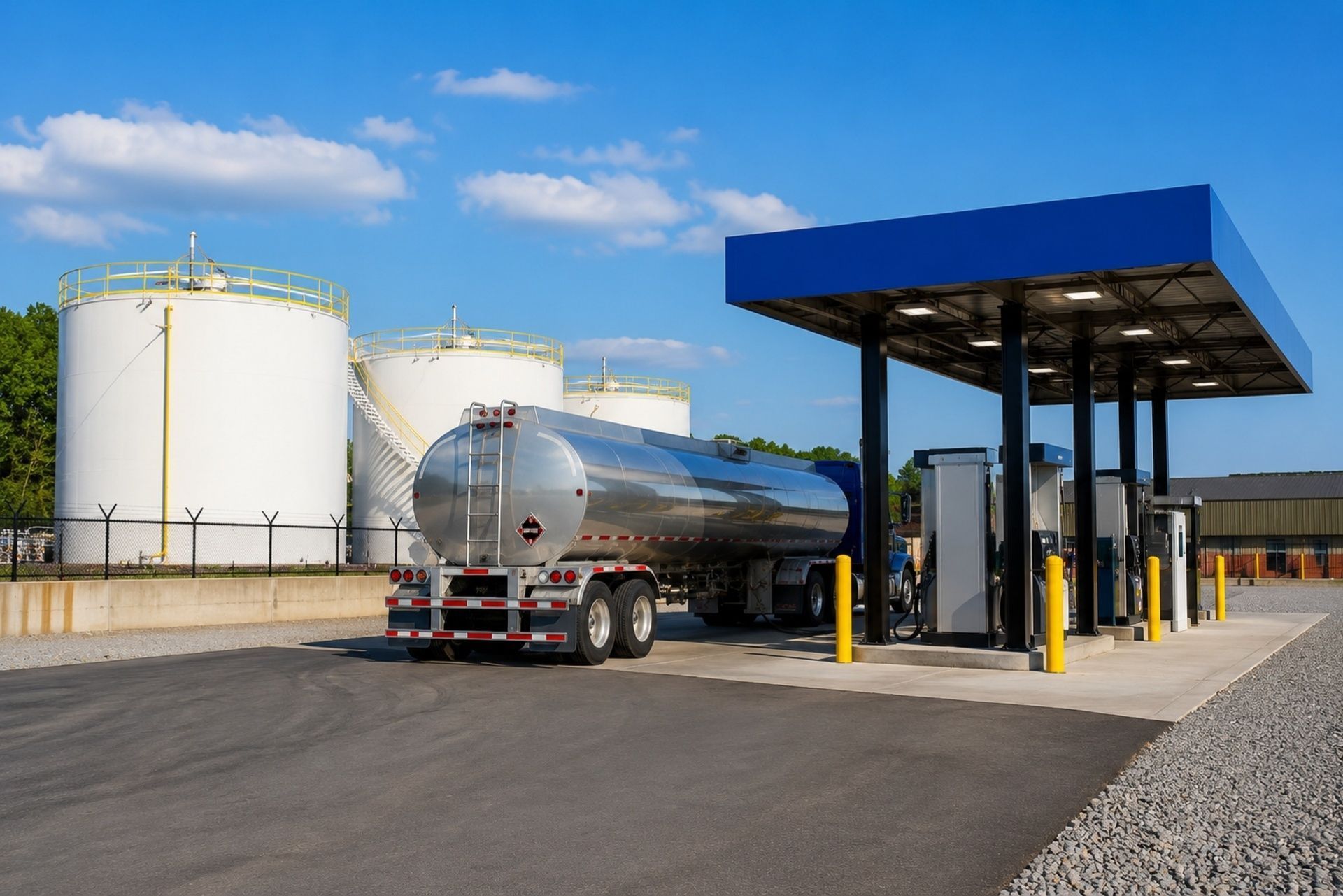
Your delivery trucks are rolling liabilities. A loaded fuel tanker involved in a highway accident creates massive exposure: bodily injury to other drivers, fuel spills requiring hazmat response, road closures, and potential evacuations. Pennsylvania's auto insurance market has seen rate stabilization efforts, but fuel haulers still pay significantly more than standard commercial fleets due to the cargo they carry.
Commercial auto policies for fuel dealers should include hired and non-owned auto coverage, motor truck cargo insurance, and pollution liability extensions for in-transit spills. Most carriers require minimum limits of $1 million, though many dealers carry $2 million to $5 million given the catastrophic potential of tanker accidents.
Driver qualification matters here. Insurers will scrutinize your drivers' MVRs, CDL endorsements, and hazmat training records. A clean safety record across your fleet can reduce premiums by 15% to 25%.

By: Tyler Reitz
Managing Principal of Bowmans Insurance
Pennsylvania State Requirements and Compliance
Pennsylvania imposes specific insurance and financial responsibility requirements on fuel dealers that go beyond what you'd find in neighboring states. Staying compliant isn't just about avoiding fines: it's about maintaining your ability to operate.
Workers' Compensation Laws
Pennsylvania requires workers' compensation coverage for virtually all employers, with very few exceptions. Fuel dealers can't opt out. The state uses a classification system that assigns different rates based on job duties, and fuel delivery drivers carry higher classification rates than office staff.
Your workers' comp premiums reflect your experience modification rate, which tracks your claims history against industry averages. A fuel dealer with frequent injuries will see their mod rate climb above 1.0, increasing premiums substantially. Investing in safety training, proper PPE, and documented delivery procedures pays off directly through lower insurance costs.
One thing to keep in mind: Pennsylvania's workers' comp system allows employers to choose between the State Workers' Insurance Fund and private carriers. Shopping both options can reveal significant price differences, especially for smaller operations.
Storage Tank Financial Responsibility
Pennsylvania's Underground Storage Tank Indemnification Fund provides a backstop for tank owners, but it comes with conditions. You must maintain your tanks in compliance with DEP regulations, pay annual USTIF fees, and meet pending eligibility requirement changes that the state has been phasing in.
The USTIF doesn't replace private insurance. It covers certain cleanup costs and third-party claims related to tank releases, but it has per-incident and aggregate caps. Your private pollution liability policy should sit on top of USTIF coverage to handle claims that exceed the fund's limits or fall outside its scope.
Dealers with aboveground storage tanks face different requirements. ASTs aren't covered by USTIF, so you need private insurance for the full exposure. A 20,000-gallon aboveground tank failure can generate cleanup costs exceeding $500,000 depending on proximity to waterways.
Comparing Standard vs. Specialized Fuel Dealer Policies
Not all insurance policies are created equal, and the difference between a standard commercial package and a specialized fuel dealer program can mean hundreds of thousands of dollars in uncovered losses.
| Coverage Feature | Standard Commercial Policy | Specialized Fuel Dealer Policy |
|---|---|---|
| Pollution/Environmental | Excluded or severely limited | Included with dedicated limits |
| Misdelivery Coverage | Not available | Covers wrong-tank/wrong-fuel errors |
| Tank Cleanup Costs | Excluded | Covered, including regulatory costs |
| Product Liability (fuel quality) | Generic coverage | Tailored to fuel contamination claims |
| Business Interruption | Standard triggers only | Includes environmental shutdown triggers |
| Fleet Cargo Coverage | General cargo forms | Fuel-specific cargo and spill response |
Specialized programs, often offered through wholesale brokers or fuel industry associations like the Pennsylvania Petroleum Association, bundle these coverages into a single program. That bundling typically costs less than assembling equivalent coverage from multiple standard carriers.
The real danger is assuming your current policy covers fuel-specific risks when it doesn't. Request a coverage gap analysis from a broker who understands the fuel distribution industry.
Protecting Against Industry-Specific Risks
Fuel dealers face risks that other businesses simply don't encounter. Two of the most financially devastating are misdelivery claims and terminal shutdowns.
Misdelivery and Wrong Fuel Coverage
A driver delivers heating oil to the wrong address and fills a diesel tank with kerosene, or worse, pumps fuel oil into a water well. These scenarios happen more often than most dealers admit. Misdelivery coverage pays for the cleanup, the damaged equipment, and the third-party liability that follows.
Safe delivery protocols are essential for fuel delivery service providers and directly affect your insurability. Carriers want to see GPS-verified delivery confirmation, fill-pipe identification procedures, and driver checklists before they'll offer misdelivery coverage at reasonable rates.
A single wrong-fuel delivery to a commercial facility can generate claims exceeding $200,000 when you factor in equipment damage, business interruption for the affected customer, and environmental cleanup. This coverage is non-negotiable for any dealer making residential or commercial deliveries.
Business Interruption for Fuel Terminals
If a fire, explosion, or environmental incident shuts down your terminal, business interruption insurance replaces lost income during the downtime. For fuel dealers, this coverage needs to include environmental shutdown triggers, because a DEP-ordered closure after a tank release can last months.
Standard business interruption policies often exclude shutdowns caused by pollution events. Your policy should explicitly cover income loss during government-ordered closures related to environmental contamination. The waiting period, deductible structure, and coverage duration all matter. A 72-hour waiting period might seem minor until you realize that most fuel terminal shutdowns last weeks, not days, and income losses start immediately.
Terminal operators should also consider contingent business interruption coverage, which protects against income loss when a key supplier or customer's facility goes down.
Frequently Asked Questions About Fuel Insurance
How much does fuel dealer insurance cost in Pennsylvania? Costs vary widely based on fleet size, storage capacity, and claims history. A small heating oil dealer with two trucks might pay $15,000 to $30,000 annually, while a large distributor with terminal operations could pay $100,000 or more.
Does USTIF replace my need for private pollution insurance? No. USTIF covers underground storage tank releases up to certain limits, but it doesn't cover aboveground tanks, in-transit spills, or claims exceeding its caps. Private pollution liability fills those gaps.
What happens if I deliver fuel to the wrong address? You're liable for cleanup costs, property damage, and potential environmental fines. Misdelivery coverage specifically addresses this risk, which standard GL policies typically exclude.
Are propane dealers covered under the same policies as heating oil dealers? Propane carries different risk characteristics and regulatory requirements. Many specialized programs cover both, but propane operations need specific endorsements for pressurized vessel risks.
How often should I review my fuel dealer insurance? Annually at minimum. Review after any fleet changes, new storage installations, territory expansions, or significant claims. Pennsylvania's regulatory environment continues to evolve, and your coverage should keep pace.
Can I reduce my premiums without cutting coverage?
Yes. Higher deductibles, documented safety programs, driver training records, and tank maintenance logs all help. Bundling coverages through a specialized program usually costs less than buying individual policies.
Making the Right Choice for Your Business
Pennsylvania fuel dealers operate in a high-risk industry where a single uncovered claim can destroy years of profitability. The right insurance program isn't just a regulatory checkbox: it's a strategic asset that protects your ability to operate through the worst-case scenarios.
Start by working with a broker who specializes in fuel dealer coverage, not a generalist who handles your auto and homeowners policies on the side. Ask for a written gap analysis comparing your current coverage against the exposures outlined here. Pay special attention to pollution liability, misdelivery coverage, and business interruption triggers.
Review your USTIF eligibility status, update your property valuations, and document your safety protocols. Every dollar you invest in risk management reduces your insurance costs and strengthens your position if a claim occurs. Your business has survived market swings, supply disruptions, and regulatory changes. Make sure your insurance program is built to survive the risks that come with every delivery, every tank fill, and every mile your trucks travel across Pennsylvania.
ABOUT THE AUTHOR:
TYLER REITZ, CIC, CPCU, ARM, AU
As Managing Principal of Bowmans Insurance, I’m passionate about helping businesses and individuals protect what matters most with clarity and confidence. With advanced designations including CIC, CPCU, ARM, and AU, I bring a comprehensive approach to risk management—ensuring every client receives strategic, reliable, and personalized coverage.
Contact Us
Why Work With Us?
Why Choose Bowman Insurance Group for Personal Insurance?


Choice and Transparency
Bowman Insurance Group works for you, not the insurance providers. We offer a wide selection of policies from reputable insurers, giving you options that suit your unique needs. We prioritize clarity and honesty, ensuring you understand each policy’s benefits and limitations.


Your Personal Advocate
Our team is committed to more than policy sales—we’re here to serve as your advocate. We balance your coverage needs with affordability, working to provide you with the best value without compromise. Every decision we support is made with your best interests in mind.


Expert Guidance for Life
Insurance can feel complex, but we’re here to make it simple. With years of experience, our advisors explain policies clearly and keep you informed of relevant changes. You’ll receive consistent support from trusted professionals who understand your needs and are dedicated to helping you make informed choices.
About Bowman's Insurance Group
Over 100 years Delivering Exceptional Service to Our Community
Personal Insurance Coverage in Pennsylvania
Personal Insurance Solutions in Pennsylvania
Home
Insurance
Auto
Insurance
Umbrella
Insurance
Condo
Insurance
Boat
Insurance
Motorcycle Insurance
RV
Insurance
ATV
Insurance
Insurance Client Reviews
Read our
customer reviews


40+
Insurance Partners
98%
Client Retention Rate
100
Years in Business
98%
Satisfaction Rate
Process of Working With A Personal Insurance Agent in Pennsylvania

Step 1: Initial Assessment
Our process begins with a comprehensive review of your personal insurance needs. We’ll assess factors like your lifestyle, family needs, and assets, so you get the coverage that best suits your unique situation.
Step 2: Customized Consultation
Meet with our knowledgeable agents one-on-one to discuss options tailored to your requirements. We aim to clarify your choices and recommend the most suitable coverage, considering both quality and affordability.
Step 3: Policy Selection & Activation
Once we identify the right coverage, we’ll handle the paperwork and activate your policy. Our team ensures a smooth, straightforward process, giving you confidence and peace of mind in your coverage.
Our Experts
Meet Our Team of Professional Insurance Experts
Tyler Reitz CIC, CPCU, ARM, AU
President
Carmen Donachy, CISR
Treasurer and Customer Service Rep
Brian Brassell, CSA, CRPC
Investment Advisor Representative, Director of Financial Services Division
Kassie Swope, CIC, CISR, AINS
Commercial Department Manager
Our News & Blogs
Latest insurance news & blogs