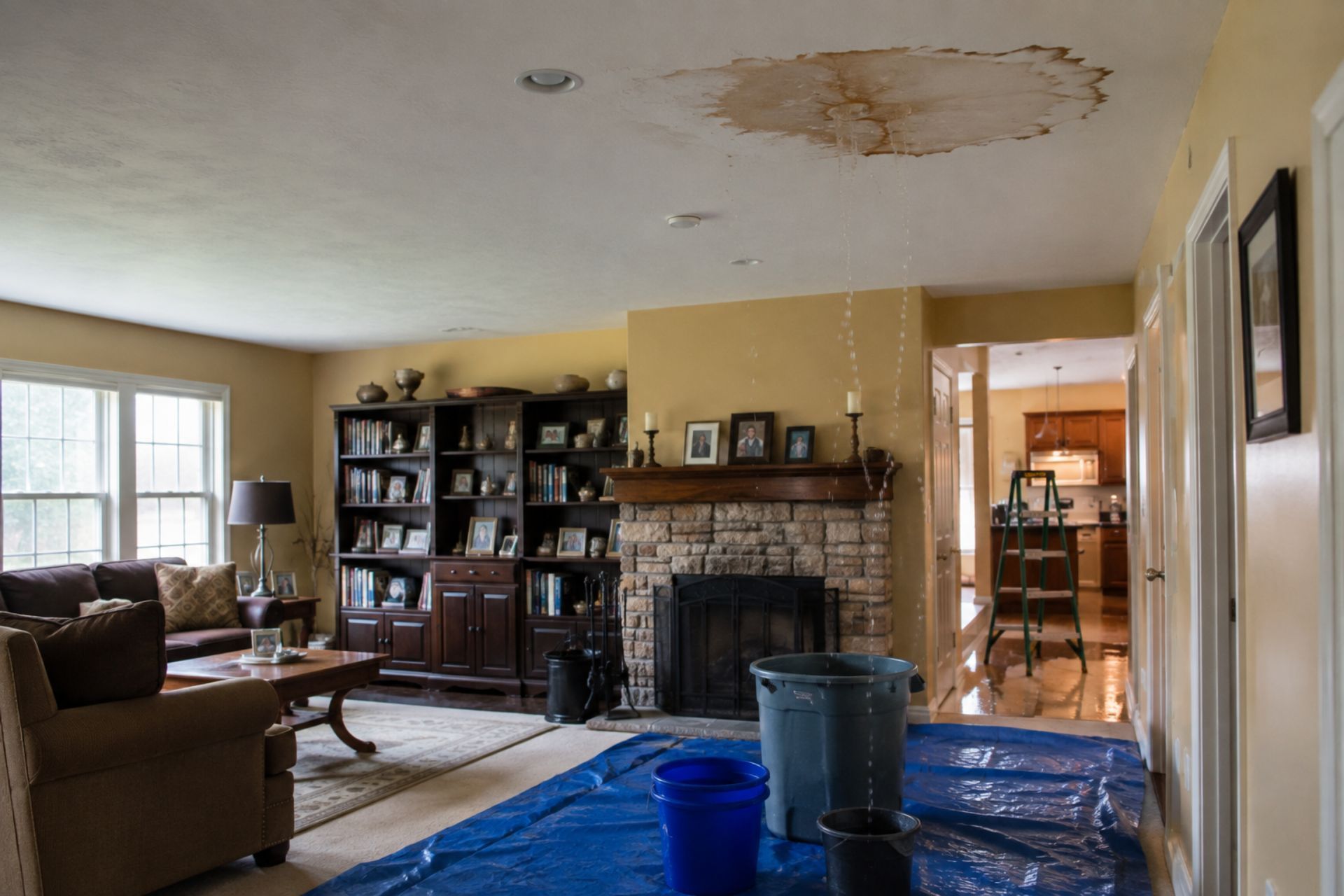

A roofing crew working a residential job in Derry Township last spring watched a gust of wind send a sheet of plywood off the scaffolding and into the homeowner's parked SUV. The damage ran just over $8,000. Without the right insurance in place, that single accident could have wiped out weeks of profit and triggered a lawsuit. Scenarios like this play out across Hershey every season, and they're exactly why contractor insurance matters so much in this part of Pennsylvania.
Whether you're a solo electrician, a small remodeling outfit, or a general contractor running multi-trade crews, you need a layered set of protections: general liability, tools and equipment coverage, commercial auto, workers' comp, surety bonds, and certificates of insurance. Each one fills a specific gap. Skip one, and you're betting your business on luck. This guide breaks down what Hershey-area contractors actually need, what Pennsylvania law requires, and how to manage the paperwork that keeps you on job sites instead of in courtrooms.
The good news? Costs in this market are manageable. Hershey contractors can expect a
median monthly general liability premium around $45, with bundled Business Owner's Policies starting only slightly higher. That's a small price for a big safety net.
Essential Insurance Coverages for Hershey Contractors
Contractor insurance isn't a single policy. It's a collection of coverages, each designed to handle a different category of risk. A plumber who backs a van into a client's mailbox faces a different financial exposure than an electrician whose $12,000 cable puller gets stolen from a job site. Your coverage stack needs to reflect the actual risks you encounter daily.
Hershey's mix of residential neighborhoods, commercial corridors, and food-production facilities means contractors here work in varied environments. A kitchen renovation in a historic home near downtown carries different liability concerns than a build-out inside a commercial warehouse. Matching your policies to your working conditions is the first step toward real protection.
General Liability: Protecting Against Third-Party Claims
General liability (GL) is the foundation of every contractor's insurance portfolio. It covers bodily injury and property damage claims made by third parties: homeowners, passersby, neighboring property owners, or anyone who isn't on your payroll. If a visitor trips over your extension cord at a Hershey job site and breaks a wrist, GL pays for their medical costs and your legal defense.
GL also covers completed-operations claims. Say you finish a bathroom tile job, and six months later the grout fails and causes water damage to the floor below. Your completed-operations coverage handles that claim, even though you left the site months ago. Many contractors underestimate this exposure.
Policy limits typically start at $1 million per occurrence and $2 million aggregate. For most Hershey-area artisan contractors, Pennsylvania requires proof of general liability before you can pull permits in Derry Township or surrounding municipalities. Don't treat this as optional paperwork: it's your first line of defense against a six-figure lawsuit.
Tools and Equipment Coverage for Off-Site Security
Your standard GL policy won't cover your tools if they're stolen from a truck bed overnight. That's where inland marine or tools and equipment insurance comes in. This coverage protects portable equipment, power tools, and specialized machinery whether they're on a job site, in transit, or locked in your garage.
A common mistake Hershey contractors make is assuming their commercial property policy covers tools stored off-premises. It usually doesn't, or it caps reimbursement far below replacement cost. Inland marine policies are designed for property that moves, which is exactly how contractors use their gear.
Premiums depend on the total value you insure. A framing crew with $15,000 in saws, nail guns, and compressors will pay less than a concrete contractor insuring a $60,000 laser screed. Policies typically cover theft, vandalism, fire, and accidental damage, though you'll want to confirm whether the policy pays replacement cost or actual cash value. Replacement cost is almost always worth the slightly higher premium.
Commercial Auto Insurance for Work Vehicles
If you use a vehicle for business, even occasionally, your personal auto policy likely won't cover an accident that happens while you're hauling materials to a job. Commercial auto insurance fills that gap. It covers liability, collision, and comprehensive damage for trucks, vans, and trailers registered to your business.
Hershey's geography matters here. Routes along 422 and 322 see heavy commuter and commercial traffic, and contractors hauling equipment on these corridors face real collision risk. A single at-fault accident in a loaded work truck can easily generate $50,000 or more in claims between vehicle damage, cargo loss, and third-party injuries.
Don't forget hired and non-owned auto coverage if employees ever use personal vehicles for work errands. Without it, your business is exposed to liability from an accident in a car you don't even own.


By: Tyler Reitz
Managing Principal of Bowmans Insurance
Pennsylvania Compliance: Workers' Comp and Bonds
Pennsylvania takes contractor compliance seriously, and two areas trip up Hershey-area contractors more than any others: workers' compensation and surety bonds. Both carry legal consequences if you skip them, from fines to criminal charges to losing your ability to bid on projects.
State Requirements for Workers' Compensation
Pennsylvania law is clear: almost every employer must carry workers' compensation insurance. If you have even one employee, including part-time or seasonal workers, you need a policy. The only common exception is sole proprietors with no employees, and even then, many GCs and property owners will refuse to hire you without proof of coverage.
The financial stakes are significant. Pennsylvania's statewide average weekly wage determines benefit calculations for injured workers. In 2026, that figure increased, which means higher maximum weekly compensation rates for lost-time claims. For contractors, this translates to higher potential payouts and a stronger reason to maintain proper coverage.
Operating without workers' comp in Pennsylvania is a criminal offense. Penalties include fines up to $2,500 per day and potential imprisonment. Beyond the legal risk, an uninsured workplace injury could result in a personal liability claim against you as the business owner, putting your home, savings, and business assets on the line.
Surety Bonds vs. Insurance: Understanding the Difference
Surety bonds confuse a lot of contractors because they look like insurance but work differently. Insurance protects you. A surety bond protects the project owner or the public, and if a claim is paid, the bonding company comes back to you for reimbursement.
Three types matter most for Hershey contractors:
- Bid bonds guarantee you'll honor your bid price if selected for a project
- Performance bonds ensure you'll complete the work according to contract terms
- Payment bonds guarantee you'll pay your subcontractors and material suppliers
Pennsylvania's Public Works Contractors' Bond Law requires bonds on public projects exceeding $10,000. The Home Improvement Consumer Protection Act also requires contractors doing residential work over $500 to register with the state. Bonding capacity depends on your financials, credit history, and track record. A contractor bidding a $500,000 school addition in the Derry Township School District will need solid financial statements and a relationship with a surety agent who understands construction.
Comparing Coverage Needs by Trade
Not every contractor needs the same insurance stack. An independent handyman working solo has a very different risk profile than a general contractor managing five subcontractors on a commercial build-out.
Coverage Comparison Table: Artisans vs. General Contractors
| Coverage Type | Artisan/Solo Contractor | General Contractor |
|---|---|---|
| General Liability | Required: $1M/$2M typical | Required: often $2M+ per project |
| Tools & Equipment | Moderate value ($5K-$25K) | Higher value, multiple crews |
| Commercial Auto | One vehicle, basic limits | Fleet coverage, higher limits |
| Workers' Comp | May be exempt if no employees | Required for all employees |
| Surety Bonds | Rarely needed for residential | Required for public/commercial bids |
| COI Requests | Occasional | Frequent, often project-specific |
The key difference is volume and exposure. A solo tile installer might carry $500,000 in total coverage across all policies. A GC running a $2.3 million commercial project in Hershey could need several million in combined limits, plus bonding capacity that matches the contract value.
Pennsylvania's contractor insurance costs vary widely by trade, payroll size, and claims history, so get quotes specific to your operation.
Managing Certificates of Insurance (COI)
A certificate of insurance is a one-page document proving you carry specific coverages. It's not a policy itself: it's a snapshot that property owners, general contractors, and municipalities use to verify you're insured before you start work.
Why Hershey Clients Demand a COI Before Hiring
Property managers, HOAs, and general contractors in the Hershey area almost universally require a COI before allowing a subcontractor on site. The reason is straightforward: if you cause damage or someone gets hurt, they want proof that your insurance, not theirs, responds first.
Many commercial property owners in Derry Township also require additional insured status on your GL policy. This means their name appears on your policy as a protected party, giving them direct rights under your coverage if a claim arises from your work. Failing to provide this can cost you the contract before you even pick up a tool.
How to Request and Verify Certificates Quickly
Most insurance agents can issue a COI within 24 hours, and many specialized contractor insurance providers offer same-day digital certificates. Here's how to keep the process smooth:
- Keep your agent's contact information saved in your phone for quick requests
- Maintain a standard list of coverage details (policy numbers, limits, effective dates)
- Ask your agent to set up automated COI delivery for repeat clients
- Verify that additional insured endorsements match the exact legal name requested
One common mistake: sending an expired certificate. Set calendar reminders 30 days before each policy renewal so you're never caught off guard.
Common Questions About Contractor Insurance in PA
Do I need insurance if I'm a sole proprietor with no employees? You're exempt from workers' comp in Pennsylvania, but you still need general liability. Most clients and municipalities won't hire you without it, and a single property damage claim could bankrupt an uninsured solo operator.
How much does a typical contractor insurance package cost in Hershey? It depends on your trade, payroll, and claims history. General liability alone averages about $45 per month for small contractors in the Hershey area. A full package with commercial auto, tools coverage, and workers' comp will run higher, often $300 to $800 per month for a small crew.
Can I use my personal auto insurance for work trips? Almost certainly not. Personal auto policies exclude business use in most cases. If you're hauling materials or driving to job sites, you need commercial auto coverage.
What happens if I work without workers' comp in Pennsylvania? It's a criminal offense. You face fines up to $2,500 per day of non-compliance, potential jail time, and personal liability for any workplace injuries.
How fast can I get a certificate of insurance? Most agents issue them within 24 hours. Digital platforms can often deliver them same-day. Plan ahead for large projects that require additional insured endorsements, as those may take slightly longer.
Do handymen need surety bonds? Generally no, unless you're doing work that exceeds $500 on a residential project (which triggers registration under Pennsylvania's Home Improvement Consumer Protection Act) or bidding public contracts over $10,000.
Making the Right Choice for Your Business
Getting contractor insurance right in Hershey isn't about buying the cheapest policy you can find. It's about matching your coverage to your actual risk exposure, meeting Pennsylvania's legal requirements, and keeping your paperwork current so you never lose a job over an expired certificate.
Start by auditing your current situation. Do you have employees? You need workers' comp. Do you drive a vehicle for work? You need commercial auto. Are you bidding public projects? You need bonds. Build your coverage stack from there, and work with an agent who understands construction, not a generalist who sells the same policy to restaurants and retail shops.
Review your policies annually, especially as your payroll, equipment inventory, or project sizes change. The contractor who carried $500,000 in GL limits as a solo operator two years ago might need $2 million now that they're running crews on commercial sites. Your insurance should grow with your business, not lag behind it.
ABOUT THE AUTHOR:
TYLER REITZ, CIC, CPCU, ARM, AU
As Managing Principal of Bowmans Insurance, I’m passionate about helping businesses and individuals protect what matters most with clarity and confidence. With advanced designations including CIC, CPCU, ARM, and AU, I bring a comprehensive approach to risk management—ensuring every client receives strategic, reliable, and personalized coverage.
Contact Us
Why Work With Us?
Why Choose Bowman Insurance Group for Personal Insurance?


Choice and Transparency
Bowman Insurance Group works for you, not the insurance providers. We offer a wide selection of policies from reputable insurers, giving you options that suit your unique needs. We prioritize clarity and honesty, ensuring you understand each policy’s benefits and limitations.


Your Personal Advocate
Our team is committed to more than policy sales—we’re here to serve as your advocate. We balance your coverage needs with affordability, working to provide you with the best value without compromise. Every decision we support is made with your best interests in mind.


Expert Guidance for Life
Insurance can feel complex, but we’re here to make it simple. With years of experience, our advisors explain policies clearly and keep you informed of relevant changes. You’ll receive consistent support from trusted professionals who understand your needs and are dedicated to helping you make informed choices.
About Bowman's Insurance Group
Over 100 years Delivering Exceptional Service to Our Community
Personal Insurance Coverage in Pennsylvania
Personal Insurance Solutions in Pennsylvania
Home
Insurance
Auto
Insurance
Umbrella
Insurance
Condo
Insurance
Boat
Insurance
Motorcycle Insurance
RV
Insurance
ATV
Insurance
Insurance Client Reviews
Read our
customer reviews


40+
Insurance Partners
98%
Client Retention Rate
100
Years in Business
98%
Satisfaction Rate
Process of Working With A Personal Insurance Agent in Pennsylvania

Step 1: Initial Assessment
Our process begins with a comprehensive review of your personal insurance needs. We’ll assess factors like your lifestyle, family needs, and assets, so you get the coverage that best suits your unique situation.
Step 2: Customized Consultation
Meet with our knowledgeable agents one-on-one to discuss options tailored to your requirements. We aim to clarify your choices and recommend the most suitable coverage, considering both quality and affordability.
Step 3: Policy Selection & Activation
Once we identify the right coverage, we’ll handle the paperwork and activate your policy. Our team ensures a smooth, straightforward process, giving you confidence and peace of mind in your coverage.
Our Experts
Meet Our Team of Professional Insurance Experts
Tyler Reitz CIC, CPCU, ARM, AU
President
Carmen Donachy, CISR
Treasurer and Customer Service Rep
Brian Brassell, CSA, CRPC
Investment Advisor Representative, Director of Financial Services Division
Kassie Swope, CIC, CISR, AINS
Commercial Department Manager
Our News & Blogs
Latest insurance news & blogs